
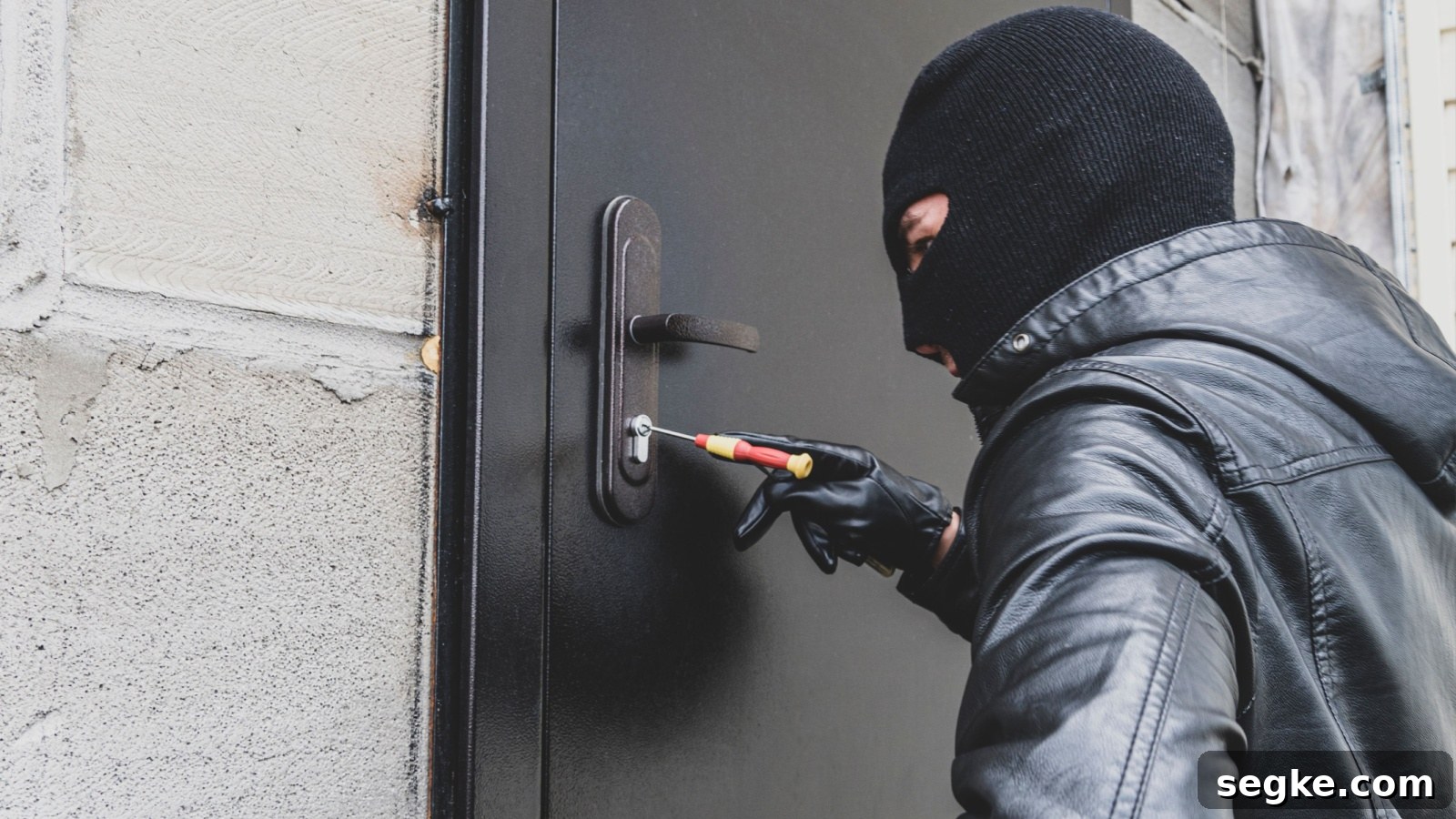
Protecting your home starts with knowing the places an intruder might use to get inside. Many houses feel secure, yet everyday openings and overlooked access points can leave you vulnerable. Identifying these weak spots lets you prioritize improvements that make a real difference to your safety and peace of mind.
Below are ten common entry points that often go unnoticed, with practical, easy-to-implement suggestions for strengthening each one. Use this as a checklist to spot vulnerabilities around your property and take steps to secure them.
Windows
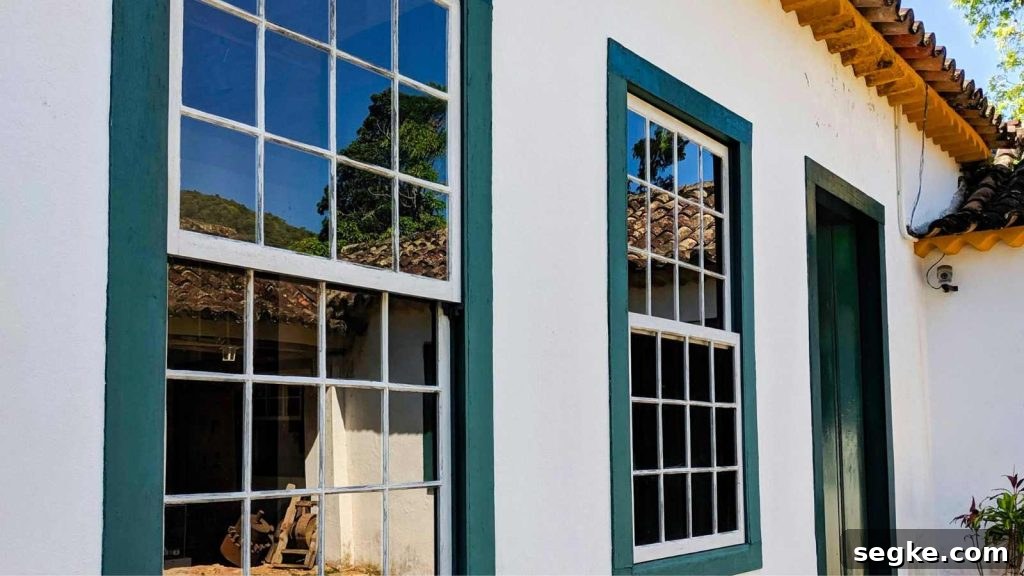
Ground-floor and basement windows are frequent targets because they’re easy to reach and sometimes left unlocked. Improve window security by installing quality locks, reinforcing frames, or fitting laminated or security film to make glass harder to break. Consider window sensors as part of an alarm system and keep exterior shrubs trimmed so windows are visible from the street or neighboring homes.
Doors
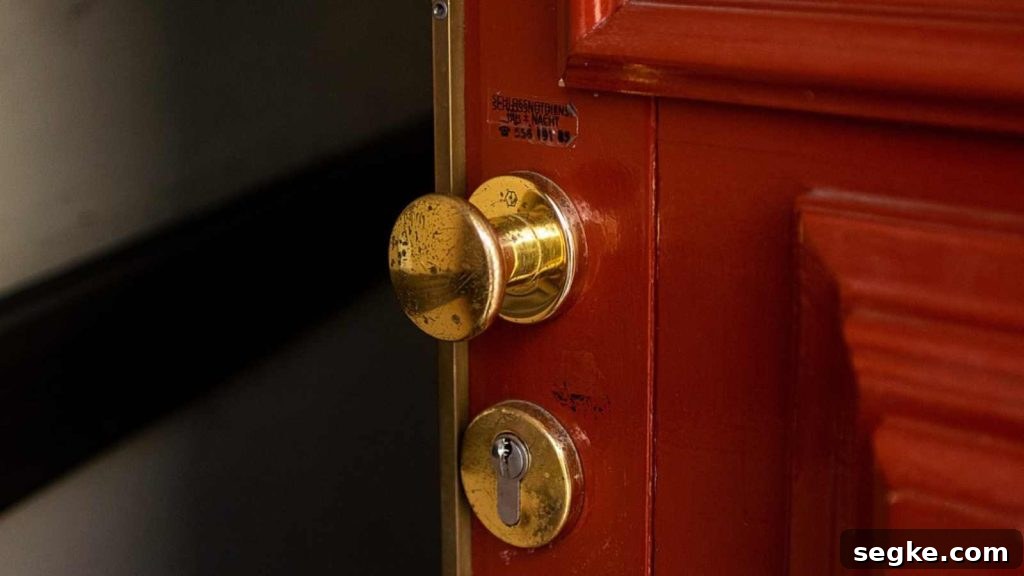
Exterior doors are the obvious primary entry point and should be reinforced accordingly. Fit a solid-core or metal door, use a high-quality deadbolt, and install a strike plate with long screws that anchor into the frame. A peephole or door viewer helps verify callers before opening, and smart locks can add convenience and remote access control when used correctly.
Garage Doors
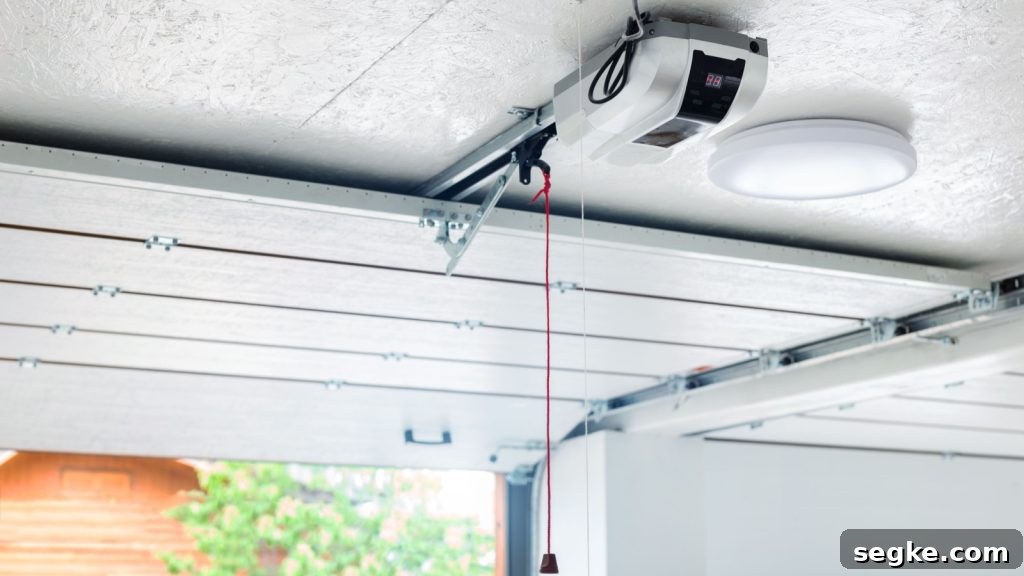
Garages often connect directly to the home and can be a weak point if left unsecured. Make sure the garage door opener has rolling-code technology, install a manual lock or latch, and secure the service door between the garage and house with a robust deadbolt. Motion-activated lighting around the garage can discourage nighttime tampering.
Sliding Doors
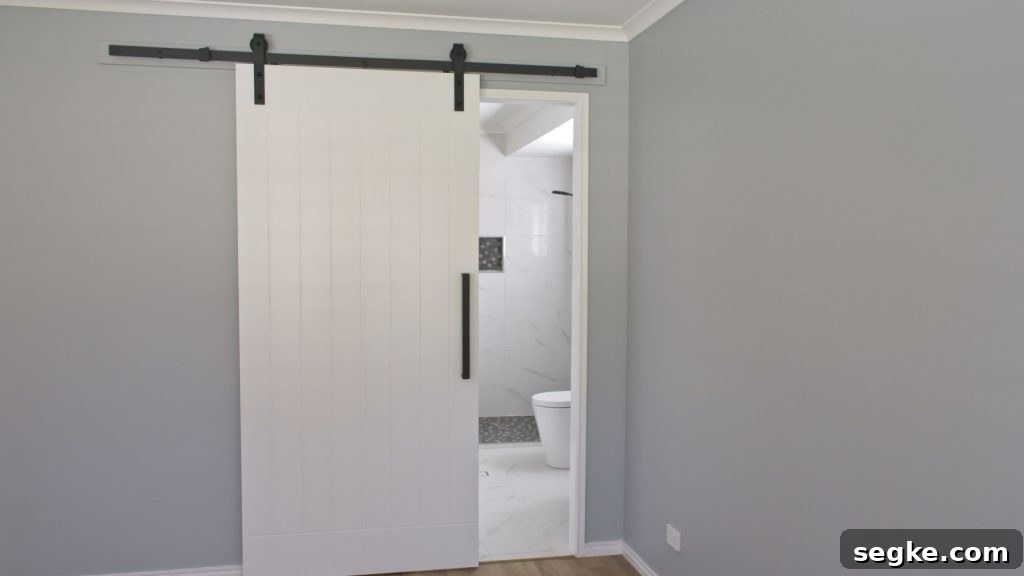
Sliding glass doors can be lifted off their tracks or forced open. Add a solid metal or wooden rod in the bottom track to prevent sliding, install a keyed lock or pin lock, and consider a security bar or reinforced track stop. Tempered or laminated glass and an alarm sensor provide extra protection against break-ins.
Pet Doors

Pet doors provide convenience but can also be exploited if they’re large or poorly secured. Choose pet doors with selective access features—such as electronic collars or microchip-controlled locks—or install a lockable cover when the door is not in use. Position pet doors so they don’t give direct access to interior hallways or valuable storage areas.
Attic and Basement Windows
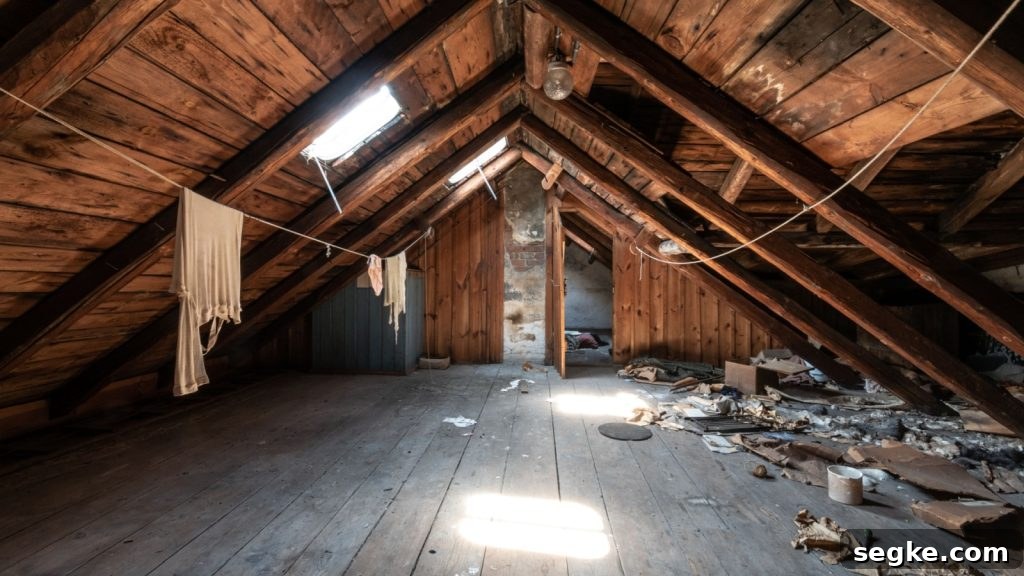
Attic and basement windows are often overlooked because they’re out of sight. Install sturdy locks or bars, fit tamper-resistant fasteners, and inspect regularly for signs of forced entry. If windows are small or hard to access from the outside, consider security grilles or alarm contacts to alert you to any unexpected opening.
Chimney and Vents
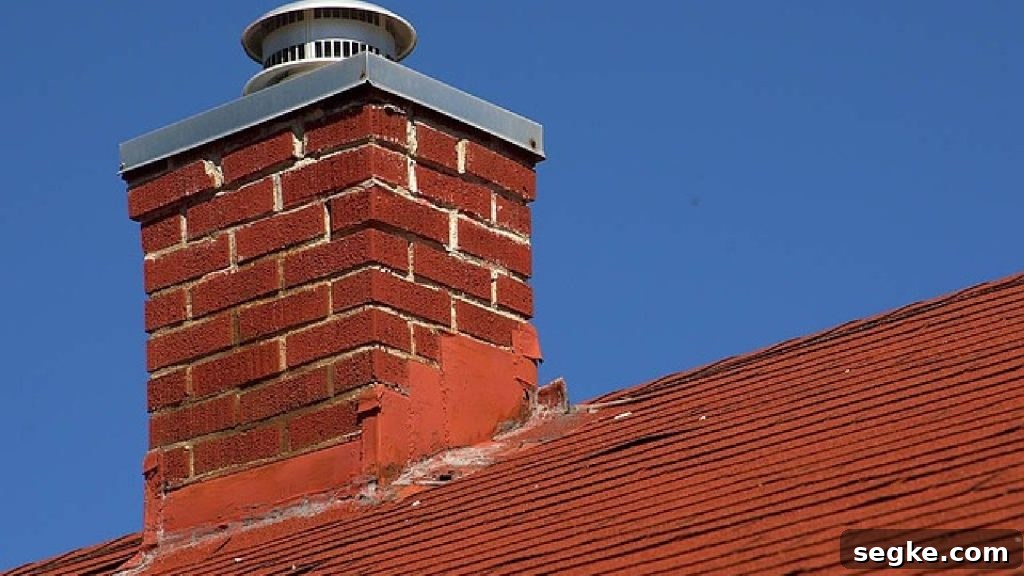
Open chimneys, dryer vents, and other external ducts can offer unconventional access if left unprotected. Fit sturdy caps, screens, or grills designed for ventilation openings and check that they’re securely fastened. Regular maintenance prevents gaps and keeps these features performing their intended function without compromising security.
Mail Slots
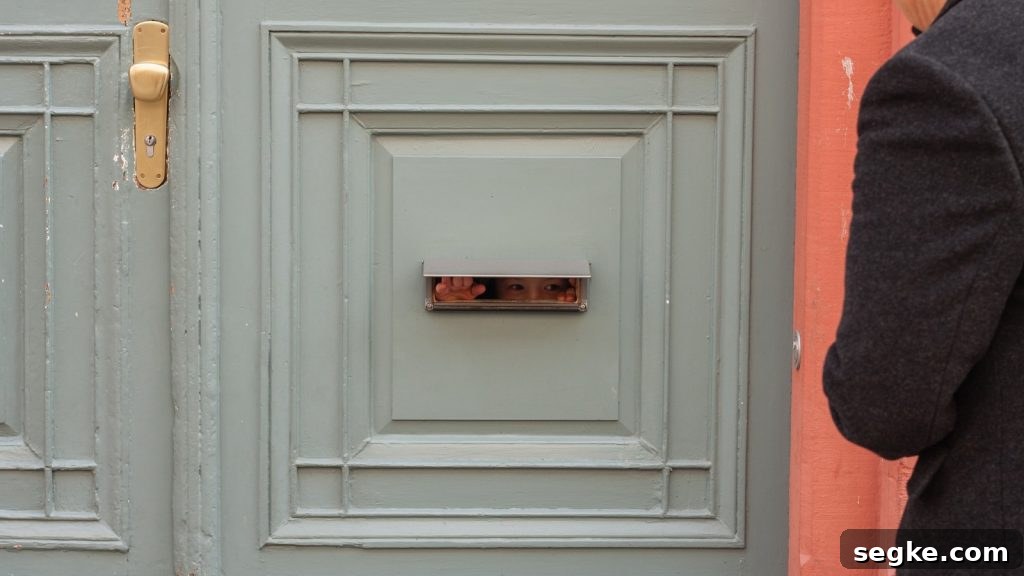
Mail slots near doors can allow hands or tools to reach inside. Reduce risk by installing internal cages, lockable mailboxes, or a flap that prevents access from the outside. For homes with a mail slot, confirm the slot size and position don’t give reach to interior locks or valuables.
Skylights
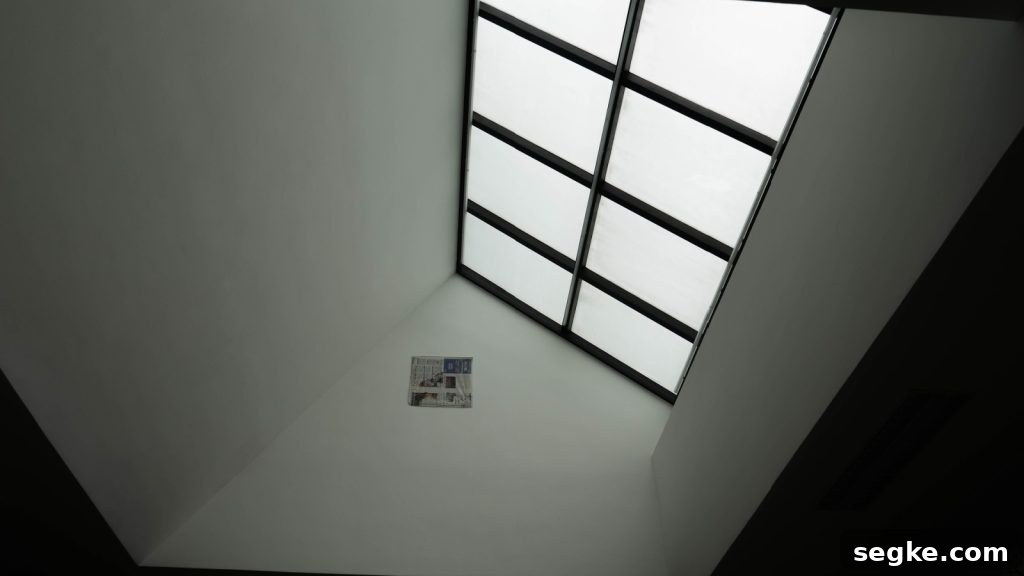
Skylights add light but can be a vulnerable point if not reinforced. Use impact-resistant glazing or safety film and ensure skylights have secure locking mechanisms. If they’re reachable via a roof or nearby structures, consider additional deterrents like roof-access locks or motion sensors to detect unusual activity.
Air Conditioning Units
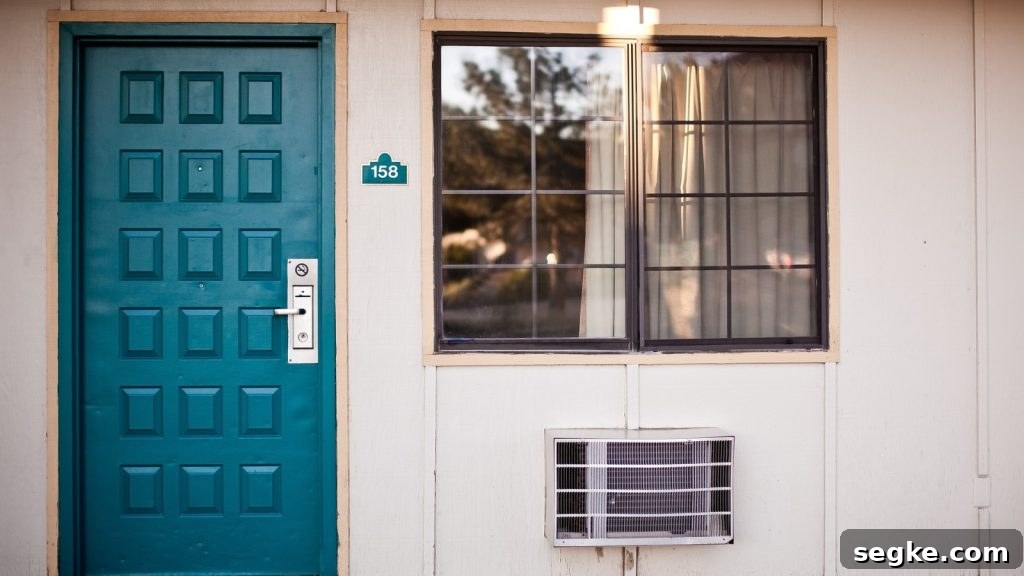
Window or ground-level air conditioning units can be removed and used as an access point. Secure units with mounting brackets or cages anchored to the building, and consider placing them where they can be seen from the house or a neighbor. Motion-activated lighting and cameras aimed at vulnerable units help deter tampering after dark.
Regularly walk the perimeter of your home and check these areas for wear, loose fittings, or signs of forced entry. Small investments—better locks, lighting, trims, and sensors—can significantly reduce risk and give you greater confidence that your home is well protected.