
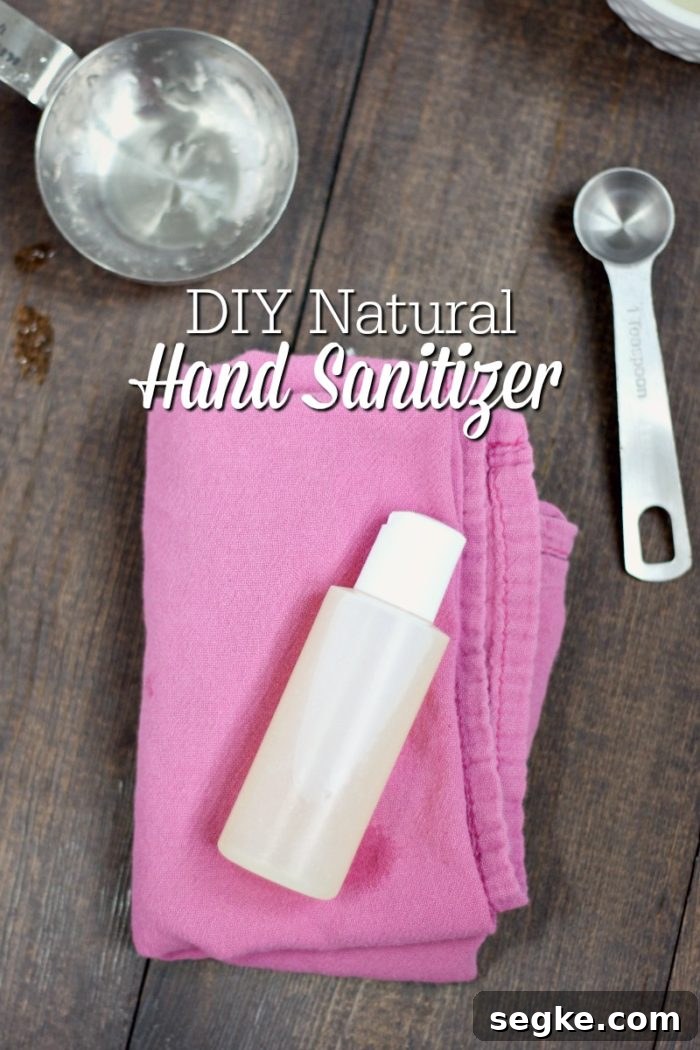
Natural DIY hand sanitizer is a simple homemade recipe made from a few common ingredients that can help reduce germs when soap and water aren’t available. This gentle version is suitable for many families, and I also include a spray option below. Read the tips and safety notes before you mix your own.
The problem with conventional hand sanitizer
Commercial hand sanitizers can be convenient, but some products include ingredients you may want to avoid for everyday use. Fragrances and certain antibacterial additives have been associated with skin irritation and potential long-term health concerns. Overuse of antibacterial agents can also contribute to resistant bacteria. For routine hand hygiene, washing with soap and water remains best. When that isn’t possible, a thoughtfully made, alcohol-based sanitizer can be a safer alternative.
What type of alcohol or antibacterial base to use
- Rubbing alcohol (isopropyl alcohol): Use products with at least 60–70% alcohol to be effective against many germs. Higher concentrations work faster, but they can dry the skin, so consider adding a moisturizer like aloe vera.
- 190 proof grain alcohol (Everclear): This is very high strength (about 95% alcohol). It is highly effective but also drying. If you use it, add a small amount of glycerin or vitamin E to help protect skin.
- Witch hazel: Alcohol-free witch hazel soothes skin and can reduce microbes to some extent, but it is not as effective as 60%+ alcohol for disinfecting. It can be used in kid-safe recipes if you want a milder option.
Tips for making homemade hand sanitizer
- For a kid-friendly version, substitute witch hazel for rubbing alcohol and skip strong essential oils.
- When using essential oils, choose antimicrobial options like tea tree, clove, or thyme — but check safety guidelines first.
- Use containers that are compatible with essential oils; some plastics can be damaged by concentrated oils.
- You can make a spray version by combining alcohol (or witch hazel) with distilled water and essential oils in a spray bottle.
- Remember: these DIY options are a backup when handwashing isn’t available, not a replacement for proper hand washing.
Ingredients you will need
- 1/3 cup aloe vera gel
- 2 tablespoons rubbing alcohol (or witch hazel for a gentler version)
- 5–10 drops antibacterial essential oil (optional): tea tree, clove, cinnamon, thyme, oregano, or peppermint
Safety note: If you are pregnant, breastfeeding, or caring for young children, consult a trusted source about essential oil safety before using them. Some oils, like peppermint, are not recommended for infants or for some breastfeeding women.
How to make natural DIY hand sanitizer
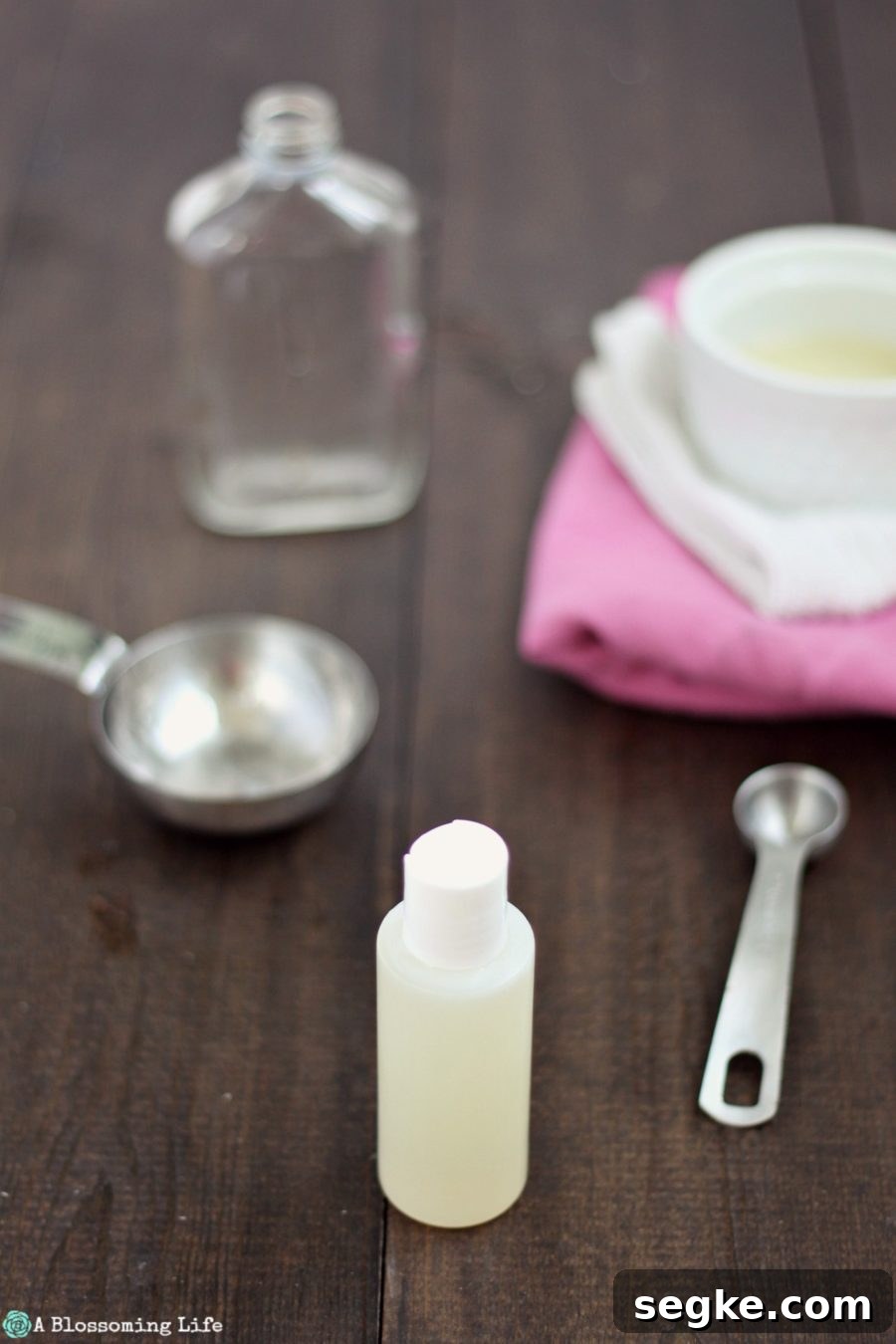
- Combine 1/3 cup aloe vera gel with 2 tablespoons of rubbing alcohol (or witch hazel) in a small bowl.
- Add 5–10 drops of your chosen essential oil if desired and mix thoroughly until smooth.
- Transfer the mixture to a small, squeezable bottle for easy use.
How to use:
- Apply a dime-sized amount to clean hands and rub both hands together, covering all surfaces until dry.
- Allow hands to air dry; do not wipe off immediately.
- Store the sanitizer in a cool, dry place and keep out of reach of children.
- This homemade batch will generally stay good for about 1–2 months; discard if it changes smell or appearance.
How to make hand sanitizing spray
Ingredients
- 3 tablespoons 60%+ rubbing alcohol, witch hazel, or 190 proof grain alcohol
- 1 tablespoon distilled or previously boiled and cooled water
- About 10 drops essential oils (optional): tea tree, clove, cinnamon, thyme, oregano, orange, or peppermint
Directions
- Add the alcohol (or witch hazel), water, and essential oils to a small spray bottle (2 oz works well).
- Close the bottle and shake gently to combine.
- Spray a small amount onto your hands and rub until dry.
This spray is quick to make and very portable. Use it when soap and water are not available, but remember it is a supplement to proper handwashing.
Notes & safety
- The Centers for Disease Control and Prevention (CDC) recommends using hand sanitizers with at least 60% alcohol for effective germ reduction. Witch hazel is milder but not as reliably effective against all germs.
- Essential oils can irritate sensitive skin and are not suitable for everyone. Check guidelines for pregnancy, breastfeeding, and infants before use.
- Keep all homemade sanitizers away from children and pets. High-alcohol blends are flammable—store them safely.
If you enjoy making natural products at home, try other simple DIY items such as foot scrubs, bubble bath, sugar scrubs for face or body, natural hair detangler spray, or foaming hand soap. Homemade options can give you control over ingredients and reduce exposure to unnecessary additives.
Updated March 26, 2020. These recipes are shared for informational purposes only. They have not been evaluated by the FDA. Consult a healthcare professional with specific medical concerns and follow local health guidance.