

How to Meal Prep Lunches That Actually Reheat Well is a practical guide to building make-ahead lunches that still taste great. Learn which ingredients hold up best, how to store them, and simple reheating techniques to preserve texture and flavor.

Note from Danielle
A thoughtfully prepped lunch can change your whole day. It saves time, eliminates the stress of last-minute decisions, and lets you enjoy a satisfying midday meal without waiting in line.
After years of prepping lunches for my household, I’ve built a reliable playbook for lunches that heat up well. Below are tested strategies for choosing ingredients, storing them, and reheating so your meals remain delicious days later.

Why Some Meal Prep Lunches Fail at Reheating
We’ve all opened a container expecting a satisfying meal and found dry rice, rubbery chicken, or limp vegetables. That disappointment usually comes down to one or two predictable problems: moisture loss, poor storage, or reheating the wrong way.
Good news: many lunches actually improve after a day in the fridge. The trick is to design meals with reheating in mind so they hold moisture, reheat evenly, and keep their texture.
A simple formula for reheating success
From dozens of meal-prep recipes, I’ve learned reheating success comes down to four core things:
- Choose ingredients that tolerate reheating
- Cook them for durability (slightly undercook sensitive items)
- Store components intentionally to protect texture
- Reheat with a bit of added moisture or sauce
Think of building a house: pick sturdy materials, assemble them thoughtfully, and protect the finished space. The same approach makes for reliable leftovers.
Section 1: What Makes a Lunch Reheat Well
Reliable reheating usually involves at least two of the following:
It’s built to hold onto moisture
Dry foods get drier when reheated. Meals that reheat well include built-in moisture—sauces, stews, braises, or a small splash of broth or water added before reheating.
Components are stored intentionally
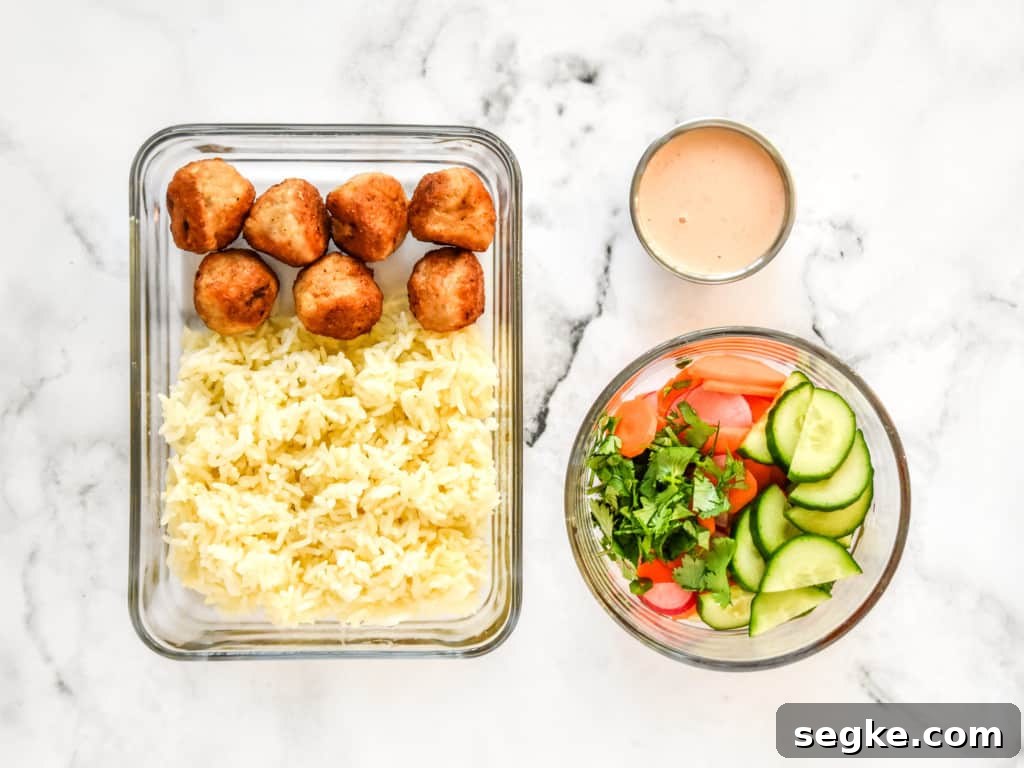
Separate dressings, keep crisp elements aside, and use compartmentalized containers when textures matter. Thoughtful storage preserves contrast and prevents sogginess.
Nothing was overcooked on prep day
Slightly undercook proteins and vegetables so they don’t end up rubbery or mushy after reheating. Many ingredients continue to cook when reheated.
There’s some fat in the meal
A little fat—olive oil, butter, fattier cuts, or higher-fat ground meat—helps retain moisture, distribute heat, and prevent dry, cardboard-like textures.
Helpful fats for meal prep lunches
- Choose chicken thighs over breasts when possible (thighs stay juicier)
- Add oil-based marinades or a drizzle of olive oil after reheating
- Use ground meats with moderate fat content for juicier results
Fat is both flavor and insurance—use a little to keep lunches enjoyable through the week.
Section 2: Carbs That Reheat Well (& How to Store Them)
Carbs act as the foundation of a meal. Cook, store, and reheat them carefully to avoid gummy pasta, dried-out rice, or sad potatoes.
Rice
White rice usually reheats more easily than brown rice because it’s less fibrous. Tips:
- Don’t overcook rice; store slightly warm so it retains moisture
- Refrigerate within two hours of cooking
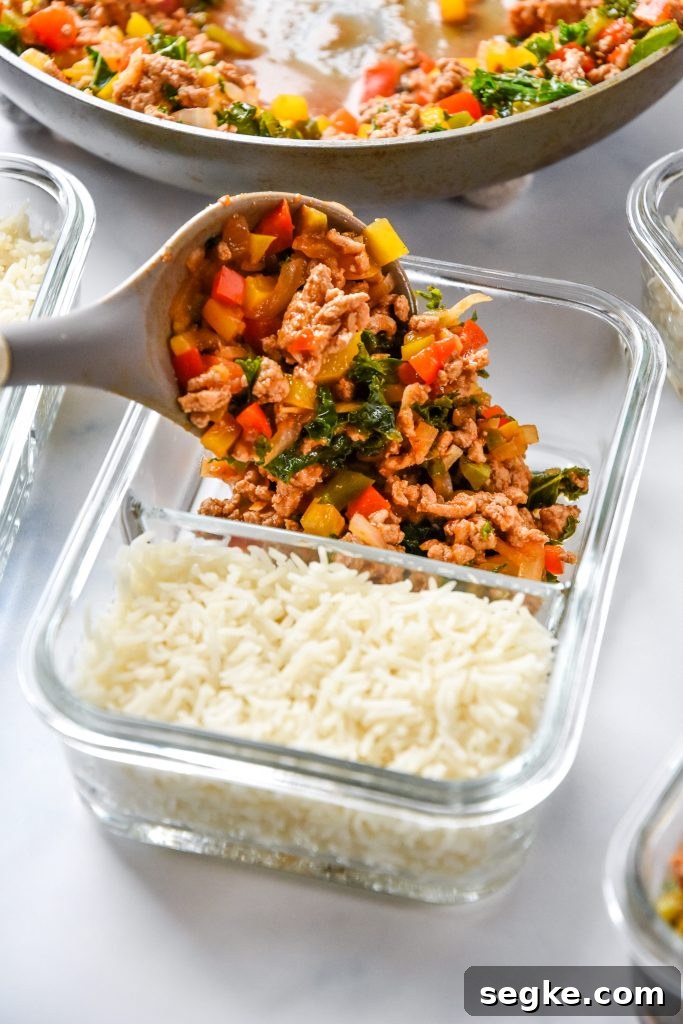
- When reheating, add 1–2 tablespoons of water or broth and cover loosely to steam to 165°F
Pasta
Shape and sauce matter. Short shapes with ridges (penne, rotini, shells) hold sauce and resist clumping. Tips:
- Cook pasta just shy of al dente
- Toss with a little oil before storing to prevent sticking
- Store very liquid sauces separately when possible to avoid sogginess
Potatoes
Roasted, mashed, and baked potatoes all reheat well when treated gently. Reheat roasted potatoes in a toaster oven or stovetop for best texture; mash reheats gently with added butter or milk.
Other grains (farro, barley, quinoa, couscous)
Whole grains are forgiving—toss quinoa with oil or dressing before storing and add a splash of water to couscous when reheating.
Carbohydrate rules of thumb
- Slightly undercook carbs during prep
- Toss with a bit of fat before storing
- Add 1–2 tablespoons water or broth when reheating to create steam
- Store saucy and liquid components separately when you want texture contrast
Section 3: Perfect Proteins (and Which to Avoid)
Proteins often determine whether a reheated lunch feels satisfying or dry. Choose forgiving proteins and protect them with sauce or cooking liquid.
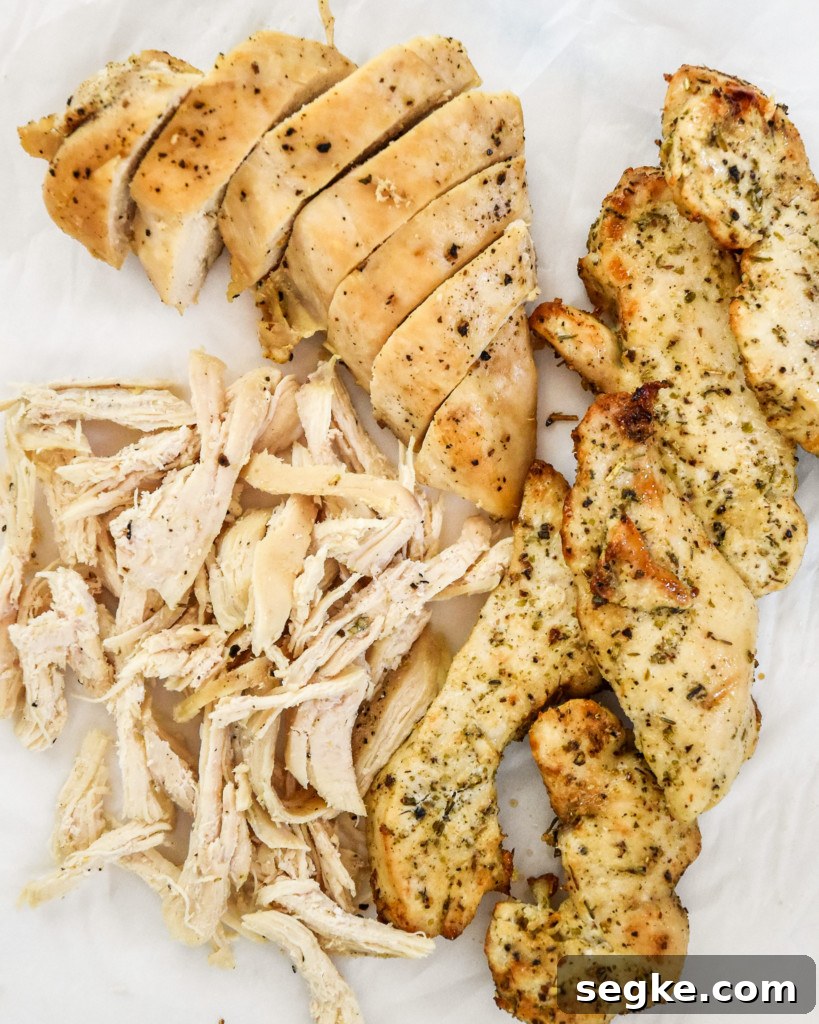
Shredded chicken
Shredded chicken is especially forgiving: it soaks up sauce, reheats evenly, and is easy to stir into bowls or salads. Dark meat stays juicier than white meat, but shredded breast can work well when paired with sauce.
Ground meats
Ground beef, pork, or turkey reheat well because small pieces heat evenly and fat helps retain moisture. Aim for moderately fatty blends for best results.
Braised and slow-cooked meats
Shredded beef, pulled pork, and slow-cooked chicken are ideal for leftovers. They’re stored with cooking liquid or sauce, which protects texture and flavor.
Plant proteins
Chickpeas, tofu, and tempeh can reheat nicely if paired with sauce. Chickpeas hold structure well; tofu and tempeh perform best in saucy dishes rather than reheated dry.
Proteins to be cautious with
- Lean cubed chicken breast (dries out easily unless shredded or sauced)
- Delicate fish (often overcooks and can develop strong smells)
- Overcooked eggs (rubbery after reheating)
Rule of thumb: choose proteins that contain fat or moisture, and pair them with sauce when possible.
Section 4: Vegetables — Roast, Steam, or Keep Raw
Vegetables are the furniture of your meal: they add color, texture, and freshness. Some vegetables reheat well, others are best added fresh after heating.
Best vegetables for reheating
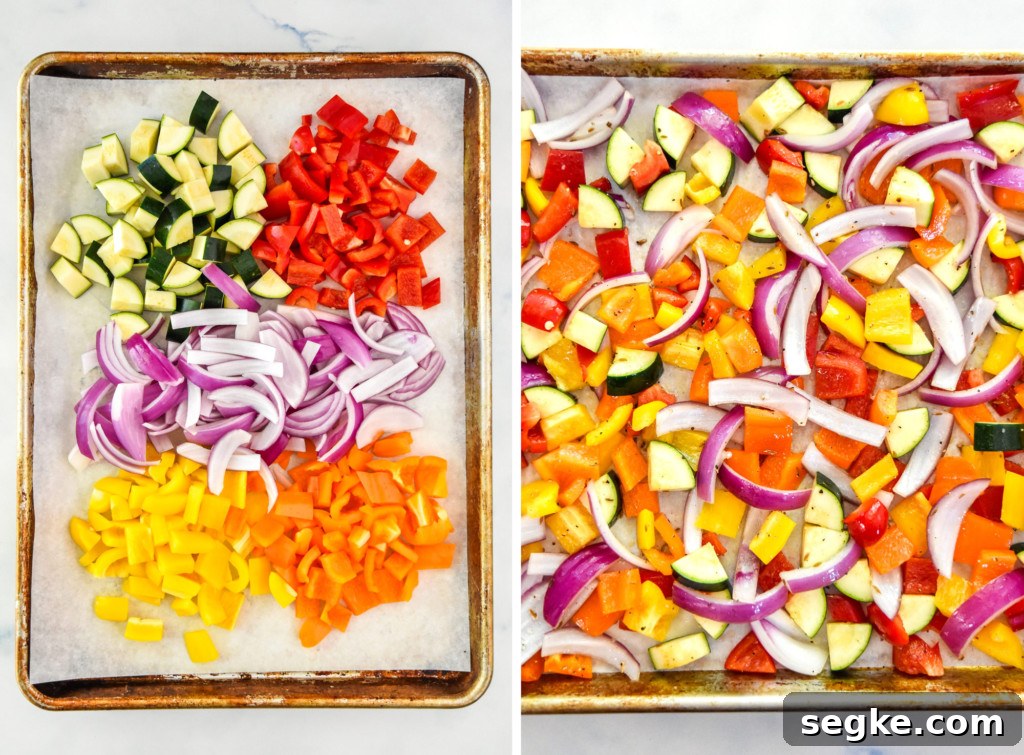
Root vegetables, roasted peppers, onions, mushrooms, broccoli, and Brussels sprouts usually handle reheating well when roasted and not overcooked.
Why roasting works
Roasting reduces excess moisture and concentrates flavor, which makes vegetables sturdier for a second round of heat.
Keep these raw or add after reheating
- Leafy greens (spinach, arugula, lettuce)
- Cucumbers and raw avocado
- Fresh herbs and crunchy salads
Store delicate items separately and add them after reheating for the best texture.
Section 5: Sauces, Dressings, and Moisture Boosters
Sauce is insurance. It adds moisture, improves reheating, and keeps leftovers tasting intentional rather than sad.
Why sauce matters
- Provides steam during reheating
- Coats proteins to keep them tender
- Prevents rice and grains from drying out
When to mix sauce in vs store separately
Mix sauce into the meal when it’s heat-stable and intended to be reheated as one unit (curries, stews, tomato sauces). Store vinaigrettes, citrus-forward dressings, and cold yogurt sauces separately to preserve brightness and texture.
Simple moisture boosters: a drizzle of olive oil, a squeeze of lemon after reheating, a splash of broth before heating, or reserved pasta water can revive texture and flavor.
Section 6: Containers Matter More Than You Think
Containers are the frame of the house. Shape, material, and lid design affect how evenly food reheats and how well textures hold up.
How container shape affects reheating
- Wide, shallow containers reheat more evenly
- Deep containers can leave cold spots in the center
- Square or rectangular containers typically heat more uniformly
Glass vs plastic
Glass heats more evenly, doesn’t retain odors or stains, and can go from fridge to microwave or oven. Plastic is lighter for commuting but can warp and absorb smells over time.
Venting steam
Always allow steam to escape when microwaving—either with a built-in vent or by setting the lid slightly ajar. Trapped steam can make vegetables soggy and proteins rubbery.
Commuting considerations
- Choose leak-resistant lids
- Consider weight—glass is heavier but often worth it for reheating
- Decide if you can leave condiments or dressings at your destination to lighten the load
Section 7: Reheating Meal Prep Lunches (By Method)
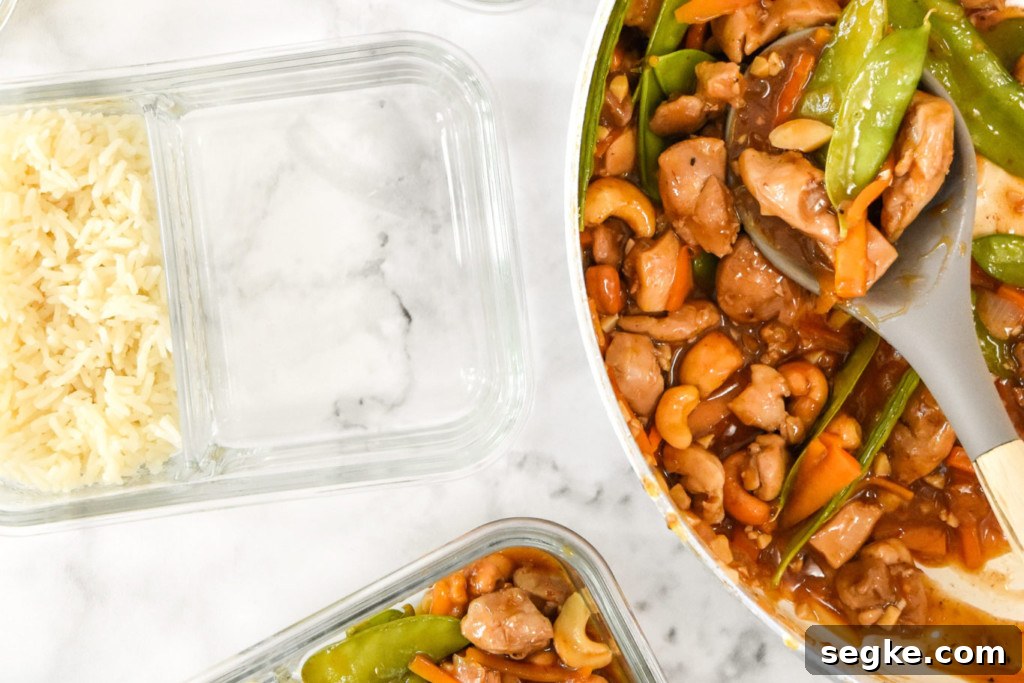
Most people reheat at work using a microwave, or at home with a stovetop or toaster oven. Each method has strengths—match the method to the meal.
| Method | Best for | Tips |
|---|---|---|
| Microwave | Rice bowls, pasta, shredded meats, soups | Add 1–2 TB liquid, cover loosely, stir every 30 seconds until steaming |
| Stovetop | Stir-fries, curries, soups, anything that benefits from gentle stirring | Use low heat, add liquid as needed, cover to trap steam and stir often |
| Toaster oven / Air fryer | Roasted vegetables, crisp foods, sheet-pan meals, sandwiches | Finish uncovered to re-crisp; watch closely so foods don’t dry |
| Heated lunch device | Moist, fully cooked meals and bowls | Plan ahead; slow heat works well if the meal has enough moisture |
Quick revive techniques
- Add something crunchy on top (nuts, seeds, chips) to restore contrast
- Add fresh color—greens, herbs, or raw veggies after reheating
- Add acid: a squeeze of lemon or lime brightens soups and bowls
Section 8: Example Lunches That Reheat Well
Here are types of meals that tend to reheat reliably:
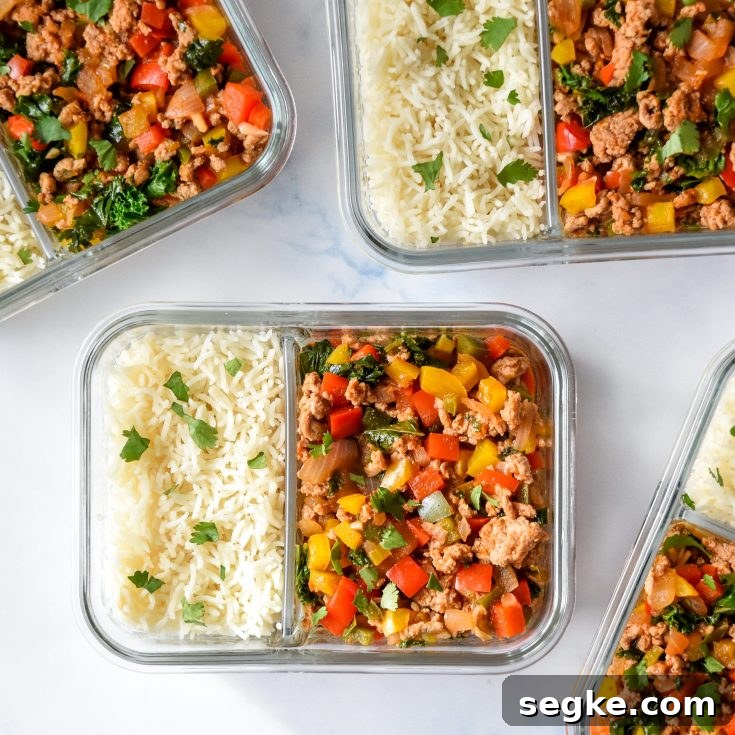
- Ground turkey or beef skillet bowls with rice and a splash of broth before reheating
- Spiced chicken bowls where creamy dressings are kept on the side
- Unstuffed pepper bowls—drizzle a little water on rice before microwaving
- Saucy soups and stews (no extra liquid needed)
- Ginger or teriyaki-style ground meat bowls that contain enough sauce to protect the protein
Section 9: Common Meal Prep Reheating Mistakes (and Easy Fixes)
Small fixes often solve big problems. If a component failed this week, troubleshoot that part rather than abandoning meal prep entirely.
Common mistakes and fixes
- Overcooking during prep — Fix: use a timer and slightly undercook proteins and veggies.
- Dry rice or proteins — Fix: add 1–2 tablespoons water, broth, or sauce and cover to create steam when reheating.
- Soggy greens or separated dressings — Fix: store dressings separately and add after reheating.
- Icy centers and hot edges — Fix: use wide, shallow containers and stir or rearrange during reheating.

Build lunches that work with you, not against you
With a few core principles—moisture, proper storage, forgiving proteins, and the right container—you can create make-ahead lunches you actually look forward to eating. Practice these habits weekly and you’ll be surprised how reliably tasty your reheated lunches become.
