
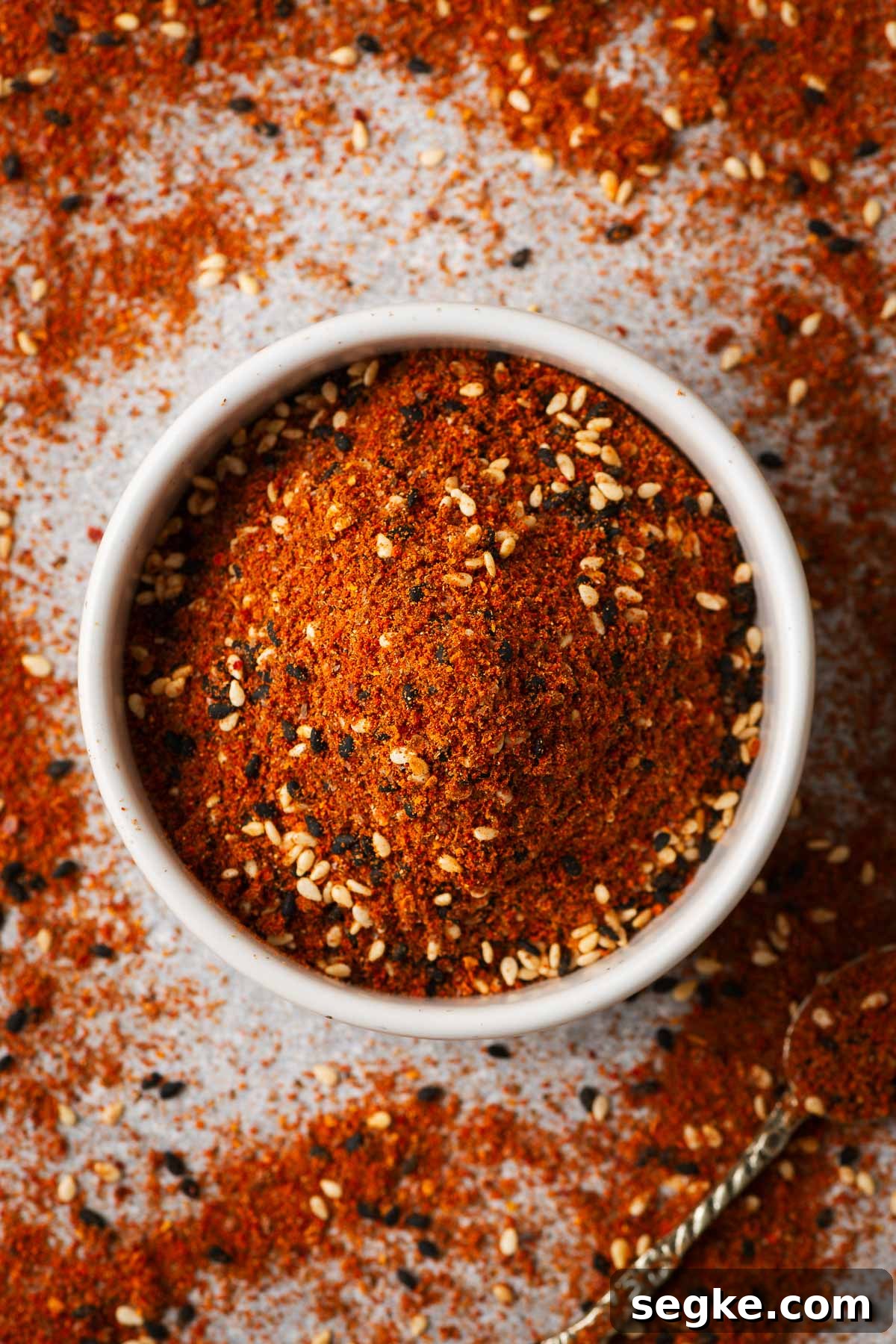
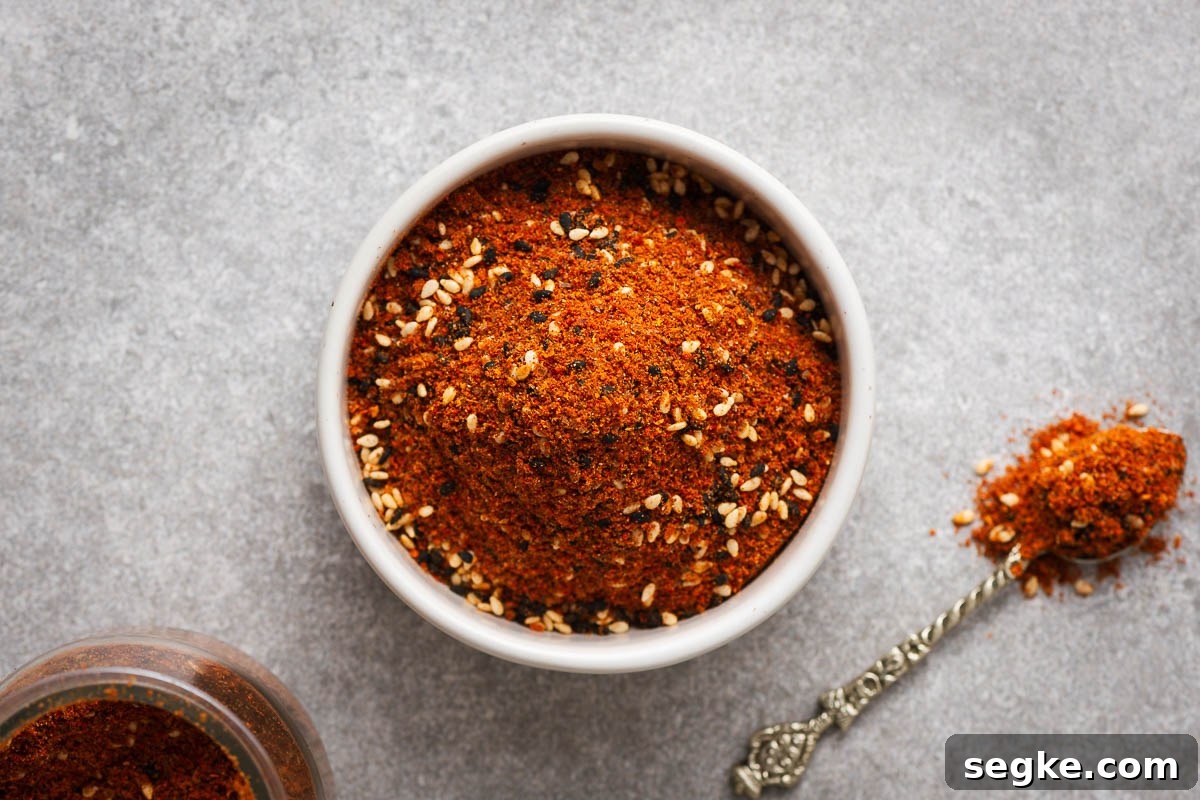
Spice up your pantry with shichimi togarashi, the classic Japanese seven-spice blend. Bright, nutty and subtly smoky, this mix brings heat and umami to noodles, rice bowls, grilled fish, vegetables and more.
Also called nanami togarashi, the name literally means “seven-flavour chili.” Recipes vary from region to region and from kitchen to kitchen, but most blends combine at least seven ingredients to create a layered, balanced seasoning often referred to in English as Japanese seven spice.
The best part is that you can make an excellent version at home with ingredients you probably already have or can find easily in most supermarkets.
Why you’ll love this homemade spice blend
- Rich umami and texture: Toasted sesame seeds, seaweed and citrus peel add savoury depth and a pleasing crunch.
- Extremely versatile: A pinch transforms soups, noodles, rice, grilled proteins, roasted vegetables and snacks.
- Easily adjustable: Swap chillies, add less or more heat, or change the citrus for a different aroma—tailor it to your taste.
- Fast to make: With a grinder and a few pantry staples you can have a jar ready in minutes.
What is shichimi togarashi?
Shichimi togarashi is a traditional Japanese seasoning whose name literally means “seven-taste chili.” It’s a dry blend used as a finishing spice to add heat, fragrance and complexity.
Classic compositions commonly include dried red chili flakes, sansho (or Sichuan) pepper for citrusy, tongue-tingling notes, dried citrus peel, toasted sesame seeds, seaweed flakes (nori), powdered ginger and sometimes seeds like hemp or poppy for texture. Regional and personal variations are common, and small substitutions—such as using orange instead of yuzu or Sichuan pepper in place of sansho—still deliver the essential character.
Ingredients and substitutes
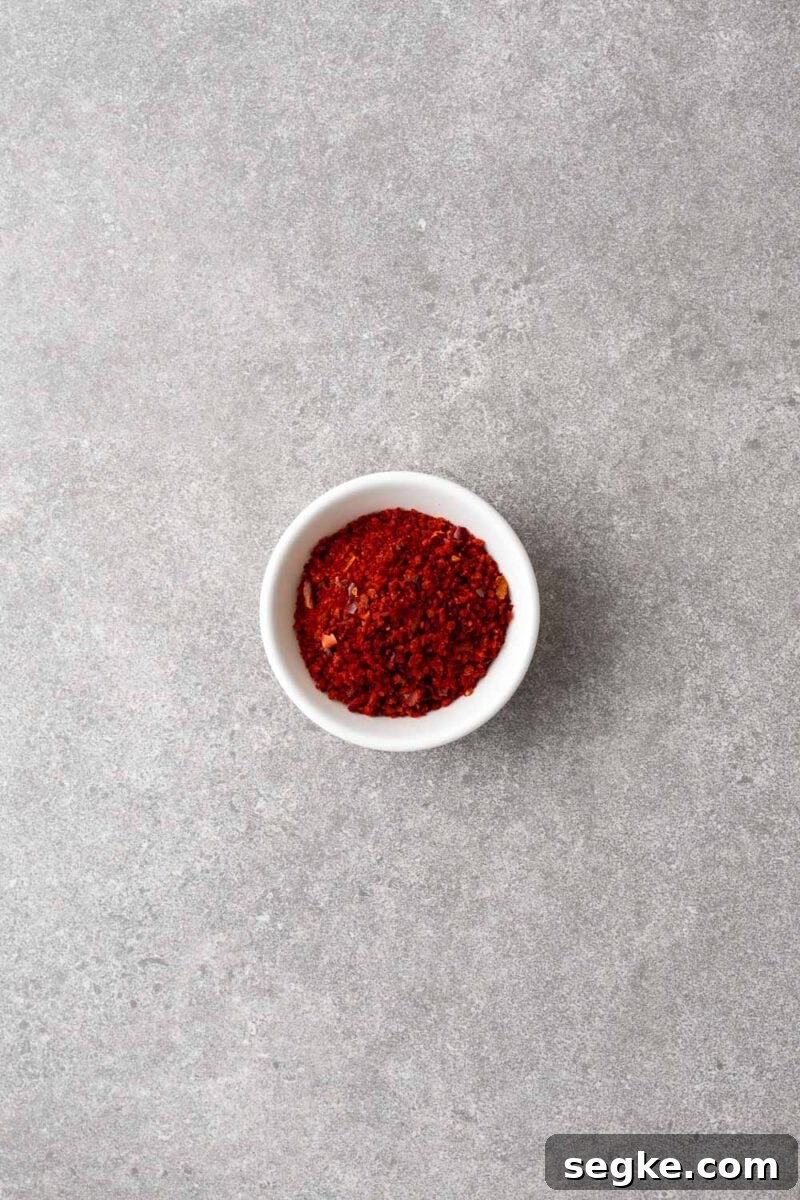
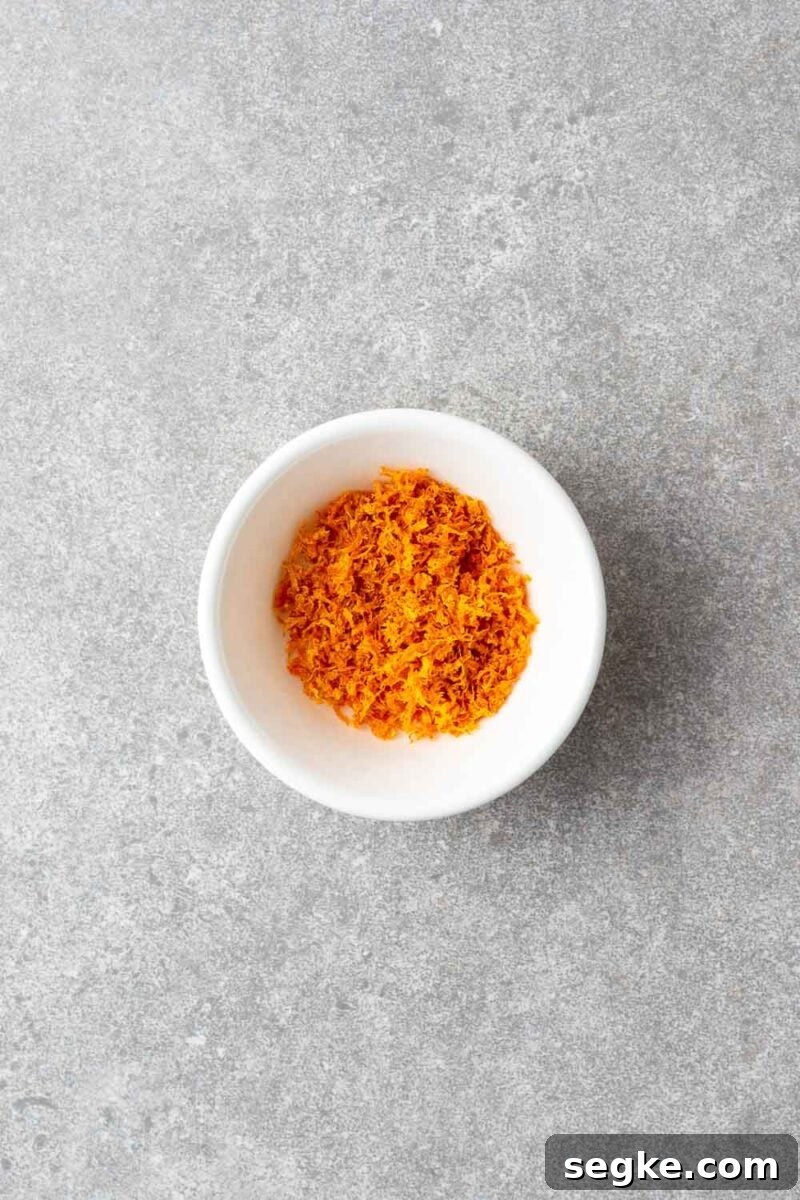
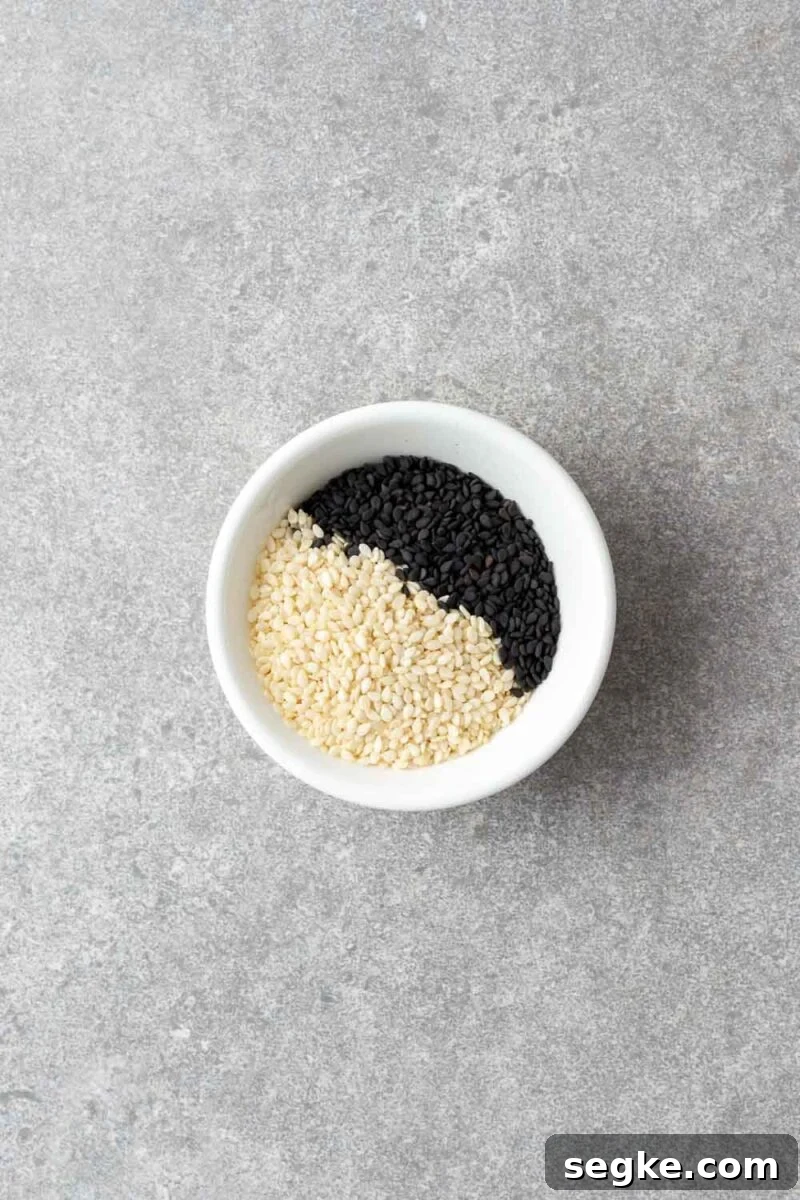
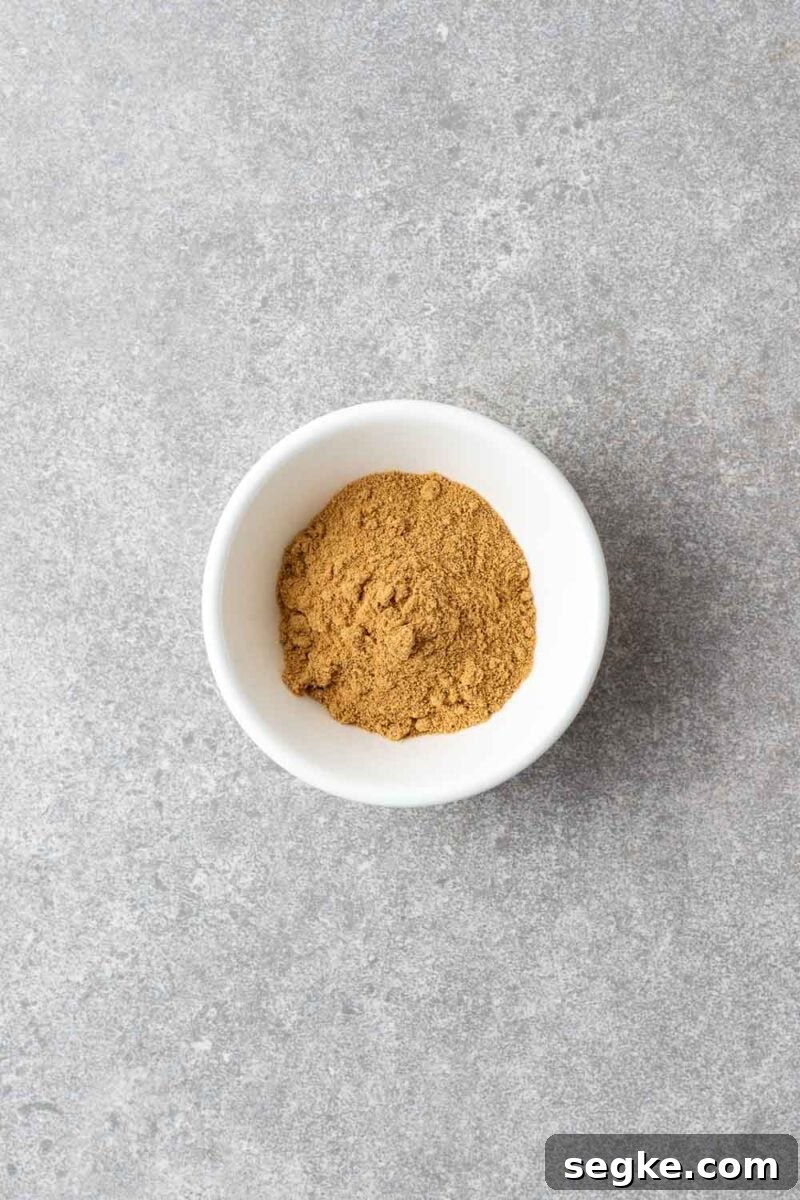
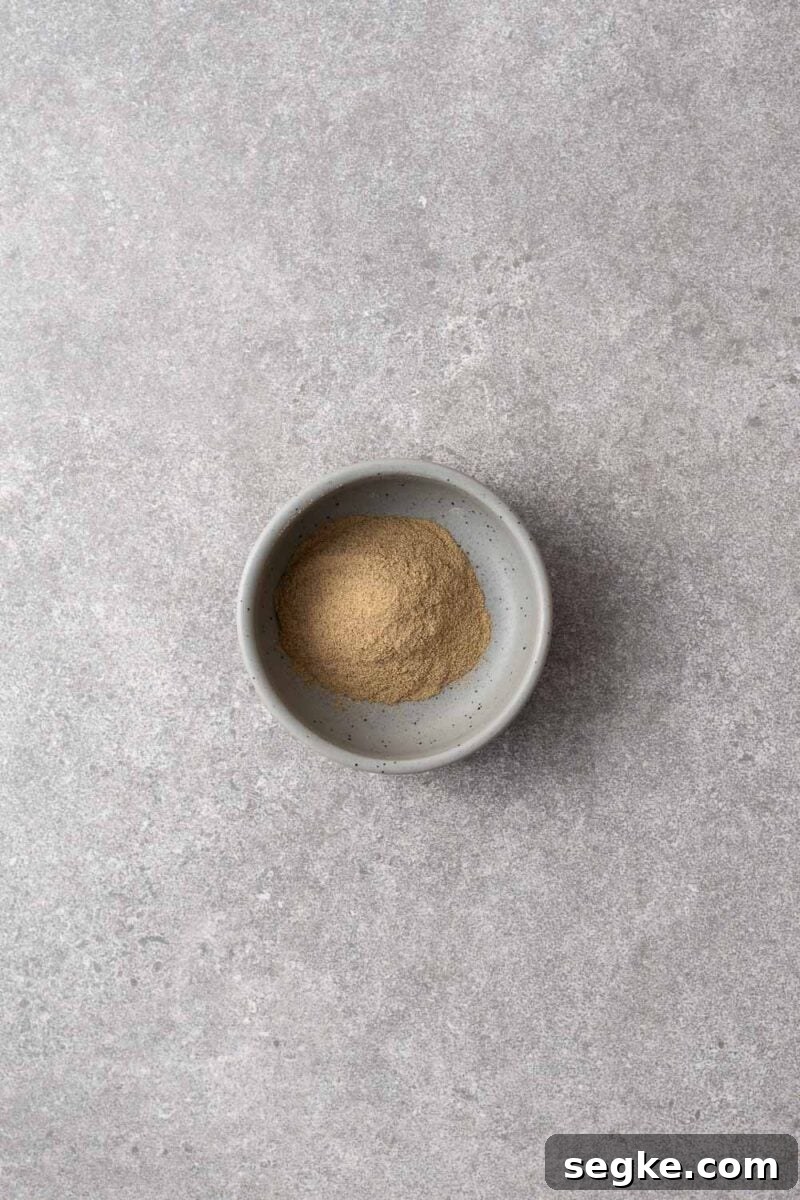
- Chili powder or flakes: Use gochugaru if you like its fruity heat, or any seedless red chili flakes. If your flakes are coarse, grind them to a finer powder for a smoother texture.
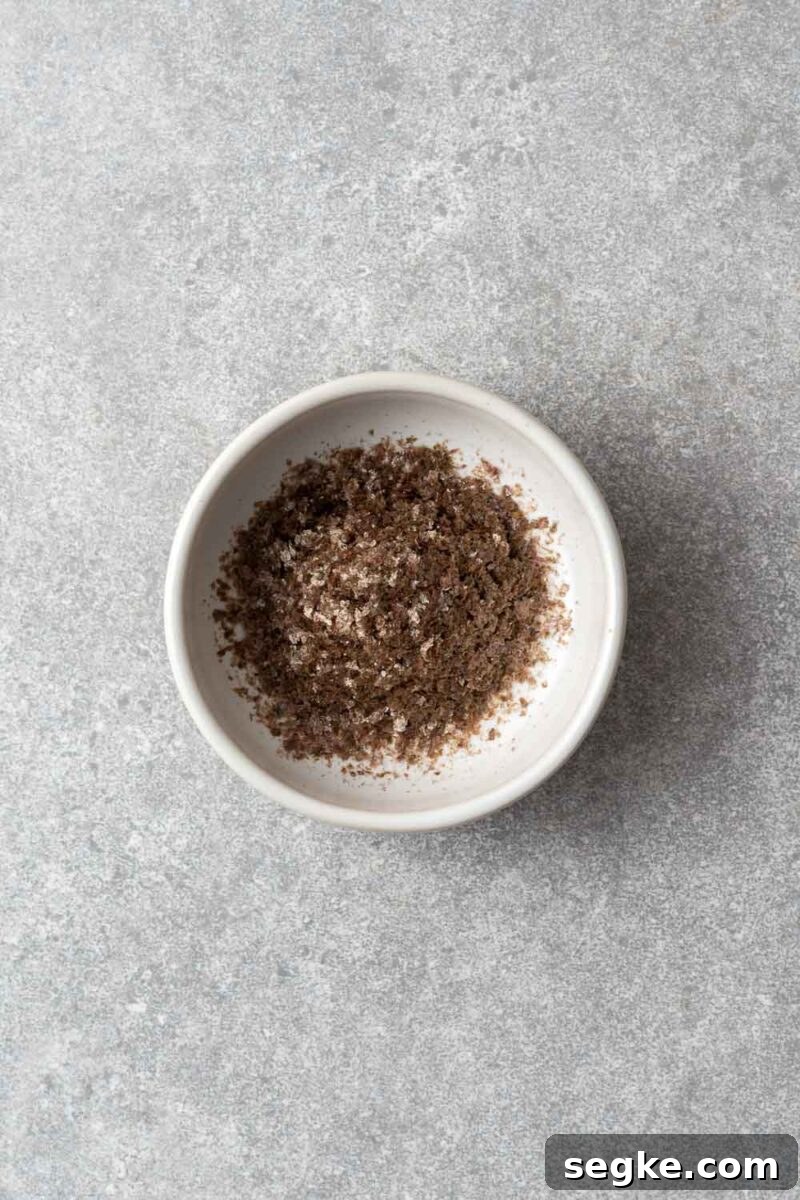
- Seaweed flakes: Dried nori or other seaweed gives shichimi its savory, marine note. If you only have nori sheets, shred and pulse them to flakes.
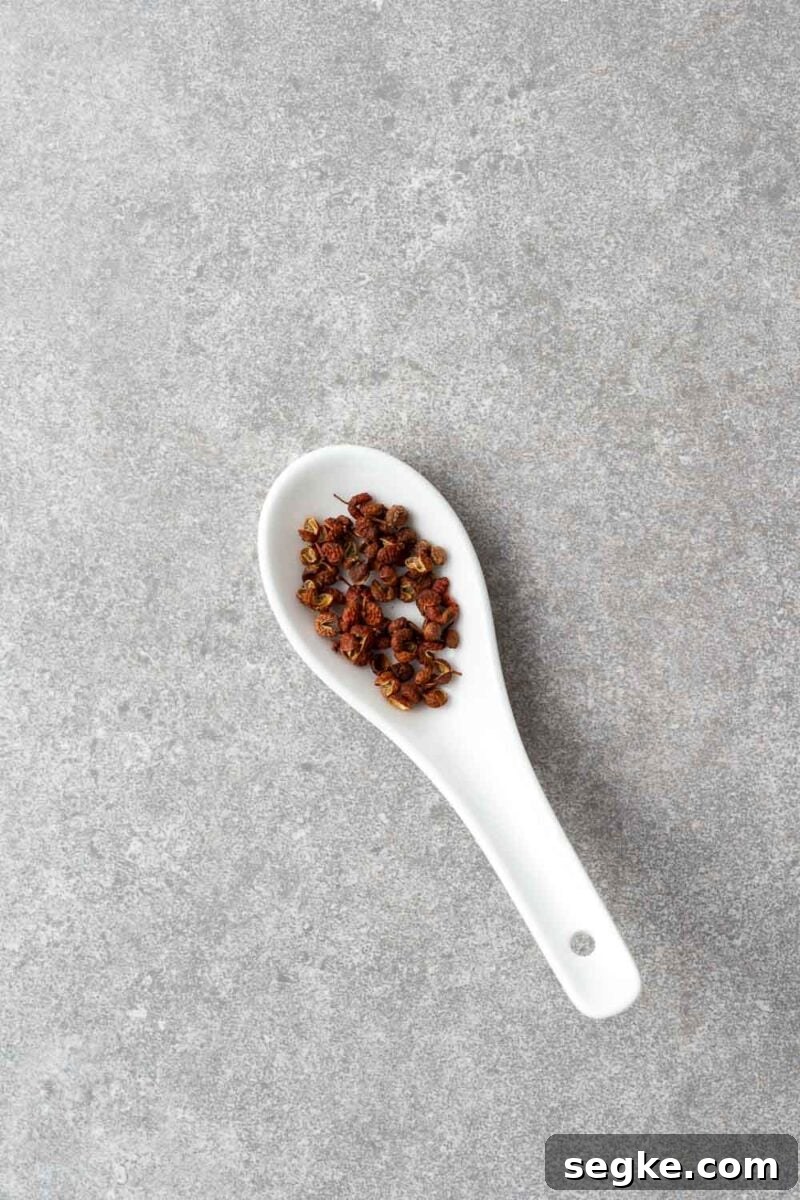
- Sichuan or sansho peppercorns: These provide the characteristic citrusy, slight numbing quality. Grind whole peppercorns to release their aroma.
- Dried citrus peel: Dried orange, tangerine or yuzu peel brightens the blend. If needed, dry fresh zest in a low oven and grind to powder.
- Sesame seeds: Toast white and black sesame seeds for nuttiness and crunch.
- Ground ginger: A small amount adds warmth and subtle spice.
- White pepper: Provides floral heat and rounds out the seasoning. Omit if unavailable.
- Poppy seeds (optional): Often added for texture; substitute extra sesame if you prefer.
How to use shichimi togarashi
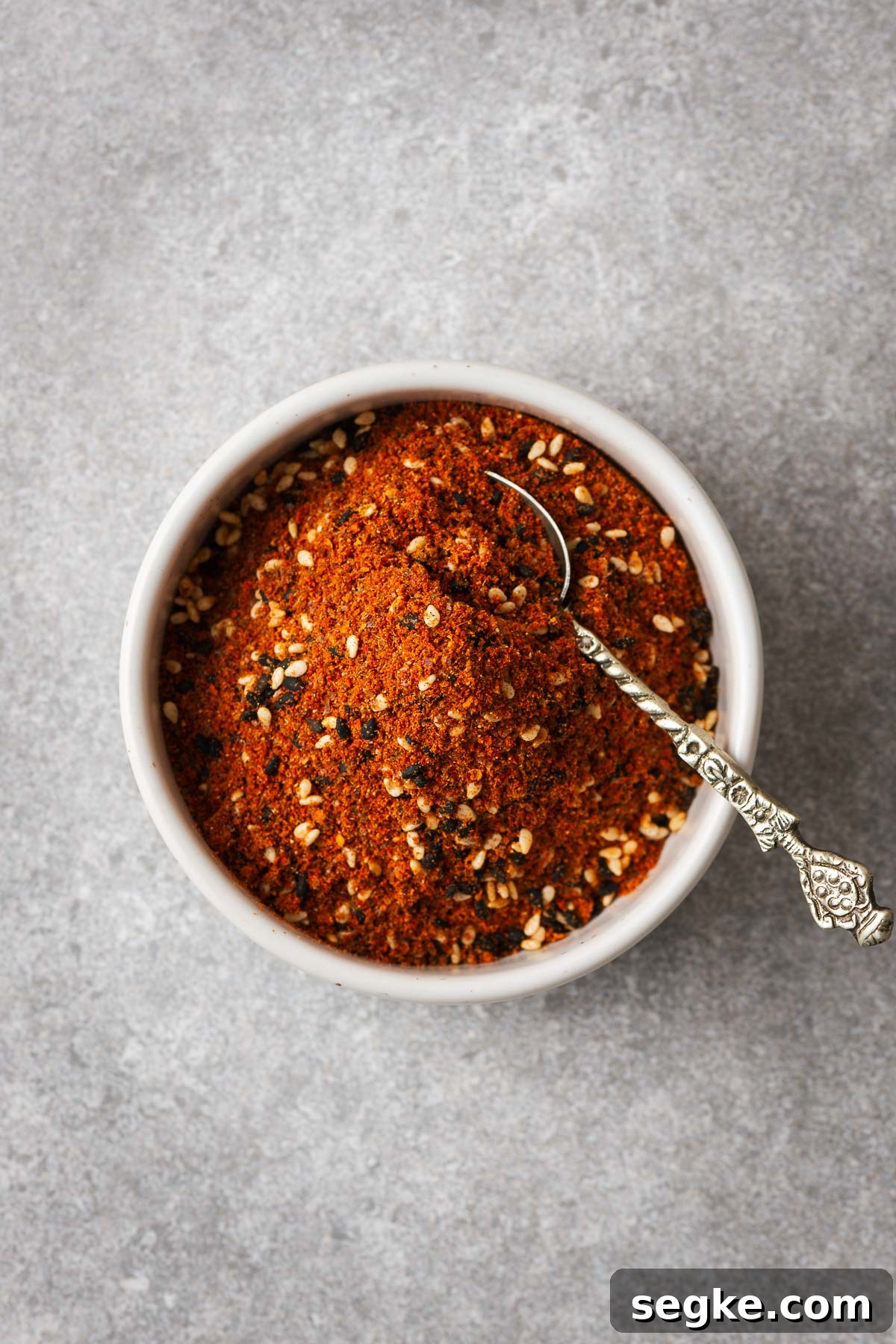
Shichimi togarashi is a finishing spice: sprinkle it over a dish just before serving to preserve its fragrance and texture.
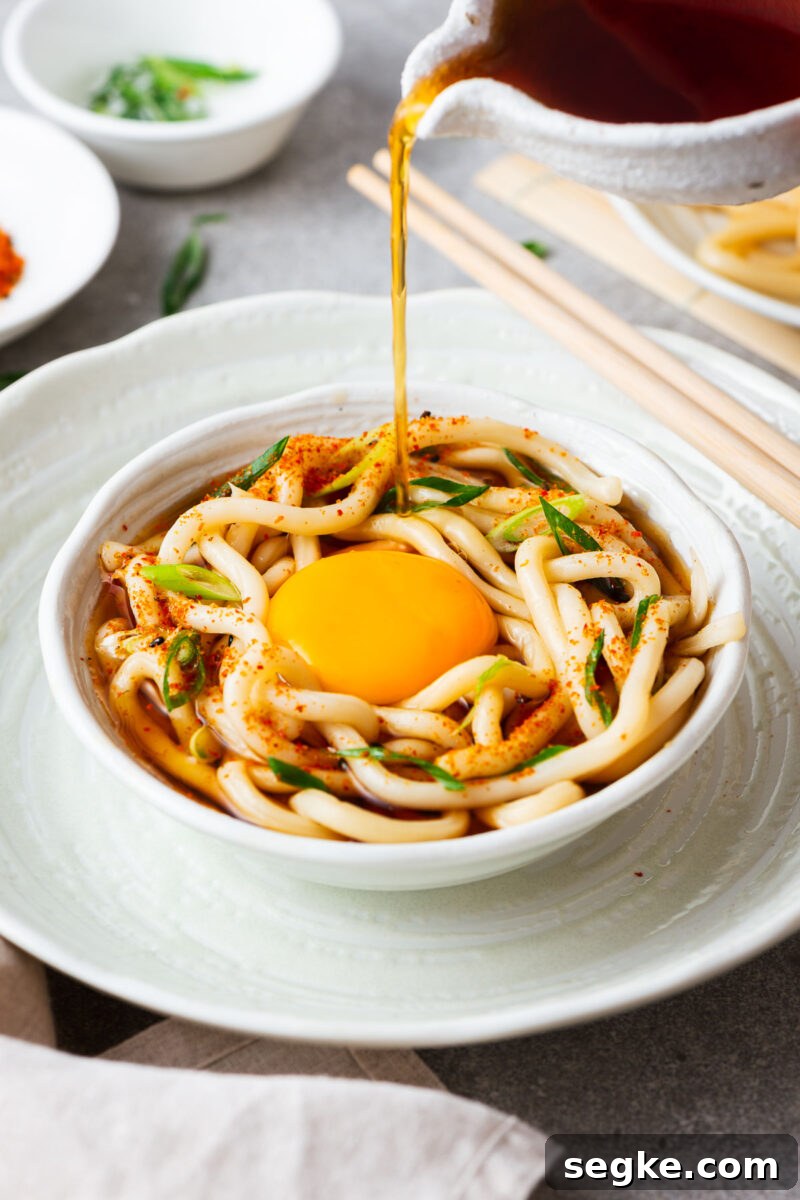
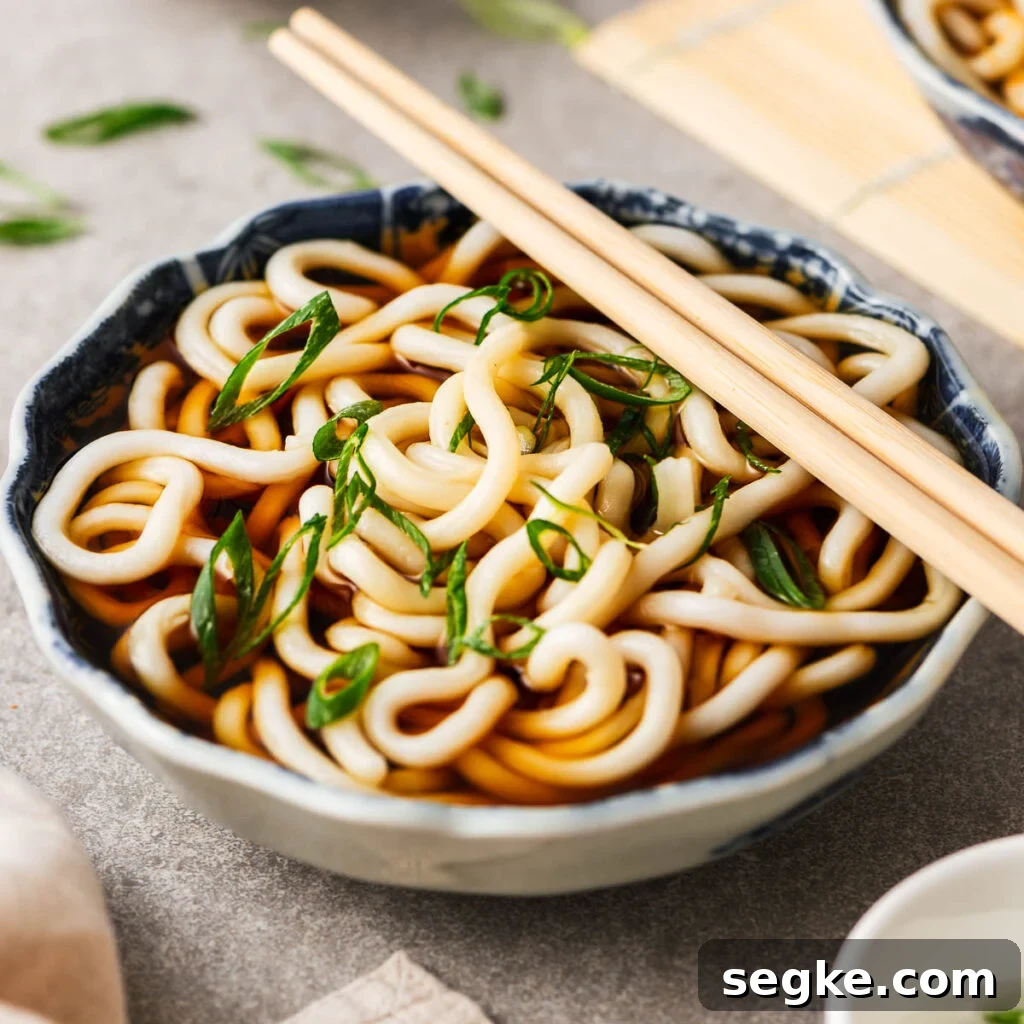
Noodles: Add it to ramen, udon or soba for heat and extra complexity. A light dusting transforms both broth-based soups and cold dipping sauces.
Miso soup: A pinch adds warmth and a citrusy lift that complements miso’s savory depth.
Meats and seafood: Use as a dry rub or sprinkle over grilled or roasted proteins. It pairs especially well with chicken, beef and salmon. Mix with a bit of soy sauce or oil to make a quick marinade.
Vegetables: Toss roasted or pan-fried vegetables with a little shichimi for a smoky, spicy finish. It contrasts nicely with root vegetables like sweet potatoes and carrots.
Snacks: Blend shichimi with olive oil and sea salt, then toss with nuts or brush onto nori before baking for a crunchy snack. It’s also delicious on popcorn.
Eggs: Sprinkle over scrambled, fried or soft-boiled eggs to add brightness and a touch of heat to breakfast.
Frequently asked questions
Use it as a finishing spice for soups, noodles, rice, grilled or roasted meats, seafood and vegetables. It’s also great stirred into dipping sauces or sprinkled on snacks.
If you don’t have shichimi, combine red pepper flakes with sesame seeds, citrus zest and ground pepper as a simple alternative. Adjust quantities to taste.
Yes. “Japanese seven spice” is the English description for shichimi togarashi, which traditionally combines seven or more ingredients.
No. Chinese five-spice is a different blend from China that typically includes star anise, cloves, cinnamon, Sichuan pepper and fennel. Shichimi is chili-forward with sesame and citrus notes.
Recipes using shichimi togarashi
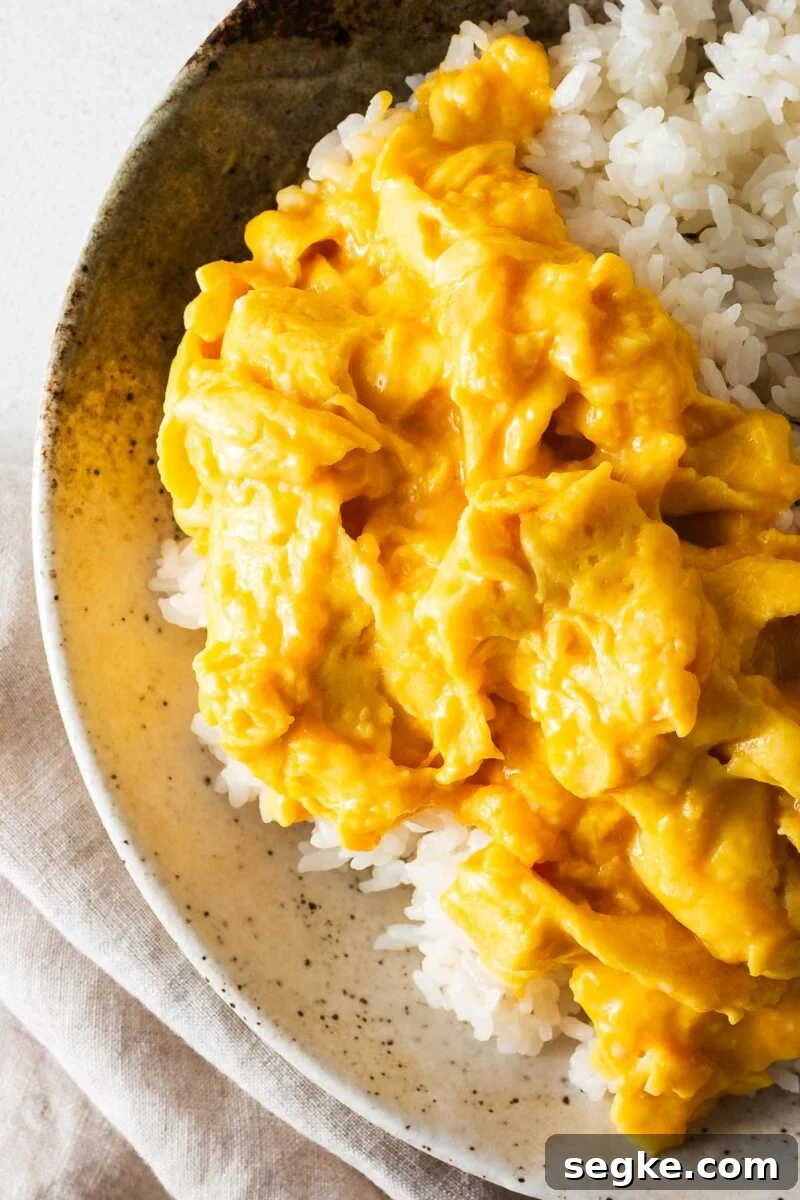
Try your homemade shichimi on miso scrambled eggs, udon soups, grilled eggplant or any simple bowl where a finishing spice will shine.
-
 Miso Scrambled Eggs
 -
Tsukimi Udon
-
Nasu Dengaku
-
Kake Udon

Shichimi Togarashi (Japanese Seven Spice Blend)
Adri
½ cup
24
teaspoons
5
5
Equipment
-
Spice grinder – or a coffee grinder, food processor, or mortar and pestle.
Ingredients
-
4
tablespoons
chile powder or flakes* -
2
tablespoons
seaweed flakes -
1
tablespoon
Sichuan peppercorns -
1
tablespoon
dried orange peel -
2
teaspoon
white sesame seeds, toasted -
2
teaspoon
black sesame seeds, toasted -
2
teaspoons
ground ginger -
2
teaspoons
ground white pepper -
2
teaspoons
poppy seeds, optional
Instructions
-
If any ingredients are whole or coarse (such as chili flakes, a nori sheet, whole Sichuan peppercorns or strips of dried peel), grind them to a fine powder or small flakes using a spice grinder, coffee grinder, food processor or mortar and pestle.
-
Combine all ground ingredients in a small bowl and mix thoroughly until evenly distributed. Alternatively, place everything in a clean spice jar and shake well to combine.
-
Transfer your shichimi togarashi to an airtight container. Store in a cool, dark cupboard for up to six months or until the colour and aroma begin to fade.
Notes
- Gochugaru works beautifully for a fruity, clean heat, but any chili you prefer will work. To make a milder blend, start with half the chili amount and adjust after tasting.
- Toast sesame seeds in a dry pan over medium heat for a few minutes until fragrant if they are not already toasted.
- If you only have strips of dried citrus peel, grind them to a powder before mixing. You can dry fresh zest in a low oven or in sunlight until crisp, then pulse to powder.
DID YOU LOVE THIS RECIPE?
Leave a comment to share how you used the spice blend and what worked best for you.