
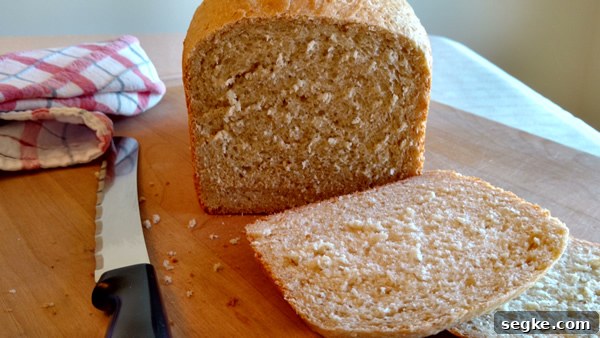
Simple ingredients come together in this bread machine oatmeal bread. This farmhouse favorite is excellent for sandwiches, morning toast, or served alongside soups and stews.
Last updated June 15, 2024 – Originally published May 2017
Featured Comment
This recipe was awesome! The bread came out with a wonderful crust and taste. ~ Brenda
This recipe yields a soft, hearty two-pound loaf with a pleasant oat texture and a lightly golden crust. It makes excellent sandwich bread and toasts wonderfully for breakfast. When paired with grilled pastrami or a warm stew, the oat flavor adds a satisfying farmhouse touch.
Different Types of Oats
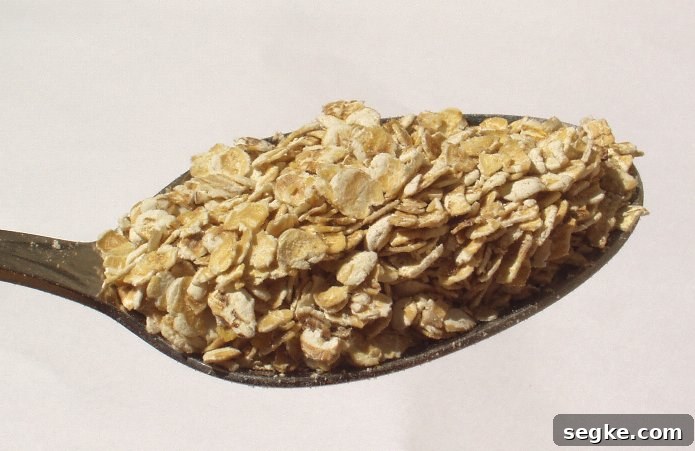
All oats start as oat groats — the whole kernel with the inedible hull removed. The variety you choose affects texture and cooking behavior.
Old-Fashioned (Rolled) Oats – These are steamed and flattened, making them a good choice for baked goods because they retain texture without breaking down completely. This recipe calls for old-fashioned oats for the best balance of texture and structure.
Steel-Cut Oats – Also called Irish or Scottish oats, these are simply chopped groats. They remain firmer and chewier and are not ideal for this bread unless you pre-cook them.
Instant or Quick Oats – These are more processed, partially cooked, and rolled thinner so they cook quickly. You can use instant oats here, but the loaf will have a softer, less distinct oat texture than one made with old-fashioned oats.
For best results, use old-fashioned oats. If you only have quick oats, the bread will still turn out, but the crumb will be slightly different.
FAQ for This Recipe
- Yeast types vary: active dry, instant, and rapid-rise each behave slightly differently. This recipe uses active dry yeast; if you use instant yeast, you may reduce rising time slightly.
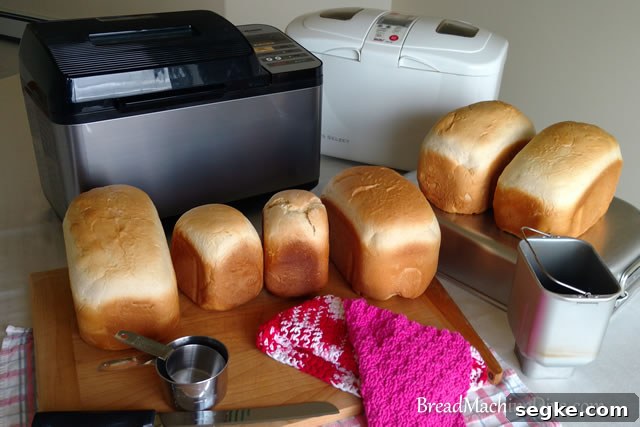
- Bread machines come in different loaf sizes. This recipe is tuned for a two-pound loaf. If your machine is smaller or larger, adjust ingredient quantities and settings accordingly.
- Use bread flour for a chewier, sturdier crumb. All-purpose flour will work, but the texture may be slightly softer and less structured.
Making Bread Machine Oatmeal Bread
This recipe is formulated for a two-pound bread machine. Use the basic/white setting and choose a medium crust.
Follow your machine’s directions for ingredient order. Many machines recommend adding liquids first, then dry ingredients, and yeast last. In this recipe adding oats after the liquid helps them hydrate before kneading. During the first kneading cycle check the dough after five to ten minutes — it should form a smooth, round ball. If it looks dry, add water a teaspoon at a time. If it looks too sticky, add flour a tablespoon at a time until the dough is tacky but not wet.
Oat-based loaves typically rise a bit less than plain white bread, so expect a slightly shorter loaf height while still achieving a soft, tender crumb.
Bread Machine Oatmeal Bread
Yield: one two-pound loaf (about 14 slices)
Ingredients
- 1 cup milk (236.6 ml)
- 1/2 cup water (118.3 ml)
- 1 1/3 cup old-fashioned oats (about 108 g)
- 3 1/3 cups bread flour (about 417 g)
- 2 Tablespoons olive oil
- 1/4 cup brown sugar, packed (about 55 g)
- 1 teaspoon salt
- 1 1/2 teaspoons active dry yeast
Metric measurements are provided in parentheses. This recipe was developed using US customary measurements; metric conversions are approximate.
Recommended Equipment
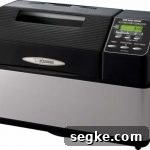
- Bread machine (two-pound loaf capacity)
- Measuring cups and spoons
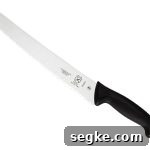
- Bread knife for slicing
- Cooling rack

Instructions
- Pour the milk and water into the bread pan. Add the oats on top of the liquids so they begin to soften.
- Add the bread flour, brown sugar, salt, and olive oil. Make a small well in the flour and add the active dry yeast into the well, keeping it separate from the salt.
- Set the bread machine to the basic/white bread cycle with a medium crust setting, and start the machine.
- After five to ten minutes of kneading, open the lid and check the dough. It should form a smooth, round ball. If it’s too dry, add water a teaspoon at a time; if it’s too wet, add flour a tablespoon at a time until the dough reaches the right consistency.
- Allow the machine to complete the cycle. Remove the loaf promptly when the bake cycle finishes to prevent overbrowning. Let the bread cool on a rack before slicing — about 30–60 minutes is ideal for cleaner slices.
Notes & Tips
- This loaf doesn’t rise quite as tall as some white breads because of the oats and added weight; expect a slightly denser, heartier crumb.
- If you prefer a chewier texture, use bread flour as listed. If you only have all-purpose flour, the loaf will still turn out but with a softer crumb.
- For a slightly nutty flavor and more texture, toast the oats lightly in a skillet before adding them to the machine — cool them first, then add to the pan.
- To refresh day-old slices, toast them or warm briefly in the oven to restore crispness and aroma.
Storage
Store cooled bread wrapped tightly in plastic or in an airtight container at room temperature for up to two days. For longer storage, slice and freeze portions in freezer bags for up to three months. Thaw at room temperature or toast slices directly from frozen.
Serving Suggestions
This oatmeal bread is versatile: use it for hearty sandwiches, slather with butter and jam for breakfast, or serve warm alongside soups and stews. Its mild oat flavor complements savory fillings like roasted turkey or grilled vegetables and stands up well to strong cheeses and pickles.
Nutrition (approximate per slice)
Calories: 181 kcal | Carbohydrates: 32 g | Protein: 5 g | Fat: 4 g | Fiber: 2 g | Sugar: 5 g
All nutritional information is approximate and provided for general guidance only.