I am a play therapist who specializes in supporting children with developmental delays. I work with youngsters who may be delayed in speech, behavior, motor skills, or cognitive development, and I teach techniques that blend learning into everyday play. A key part of my work is coaching parents so they can continue the learning at home. Our own son received play therapy, occupational therapy, and physical therapy for a physical delay when he was younger, and we saw firsthand how powerful playful, intentional learning can be.
Here are several practical ideas to help you incorporate learning into play at home.
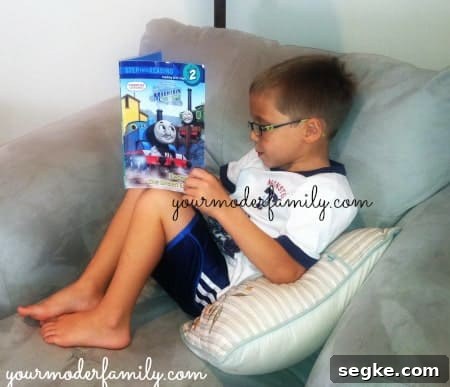
1 — Read with your child. Reading is the most straightforward way to encourage language and literacy skills, but you don’t need to read every page word-for-word. Look through picture books together, name items in the illustrations, describe what you see, and ask simple questions: “What is the dog doing?” or “Where is the red ball?” This encourages vocabulary, observation, and storytelling. Allow children to “read” by telling the story in their own words from the pictures — that builds comprehension and confidence.
2 — Make reading part of routine activities. Some of the best reading moments happen during predictable, relaxed routines like snack time or bath time. If you sit together at the table with a snack, pull out a short book and read a few pages. Children are often more focused and receptive when they’re comfortable and not distracted by screens. Short, repetitive books work well for these moments because they reinforce vocabulary and make it easier for children to join in.
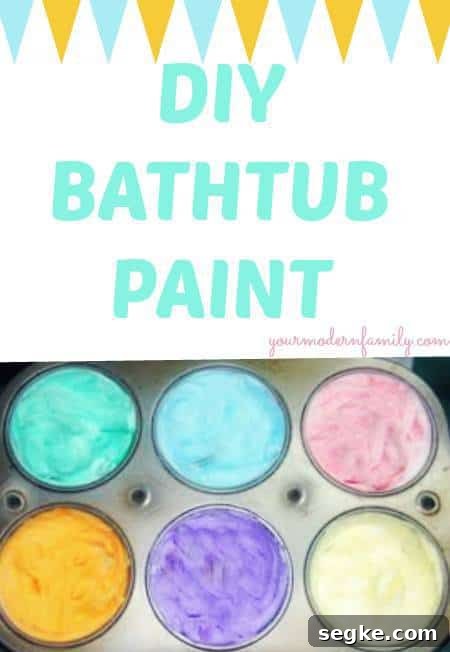
3 — Turn bath time into a learning opportunity. Bath time is excellent for hands-on learning about body parts, personal care, and basic concepts like sink and float. You can also add letters, numbers, colors, and simple science. One fun, low-cost idea is to make washable “bath paint” from shaving cream and a drop of food coloring. Give children a small brush or use their hands to paint letters, numbers, or simple shapes on the tub walls. This activity supports fine motor skills, letter recognition, and cause-and-effect exploration when colors mix.
How to make bath paint
Use inexpensive shaving cream (for sensitive skin choose a gentle formula). Spoon shaving cream into a muffin tin or small plastic cups. Add a single drop of food coloring to each section — or two drops of different colors if you want to show color mixing. Let children stir the mixture with a small paintbrush or their fingers and paint on the tub. Rinse the tub after bath time to prevent any staining.
When our family used a Thomas & Friends theme, we encouraged children to draw train tracks along the side of the tub and then drive a floating train along those tracks. That simple setup practiced hand-eye coordination, prompted imaginative play, and helped children narrate actions — “Thomas is going to the store” — which supports language development.
4 — Set predictable play times. Establishing regular, screen-free play periods helps children learn to focus, follow routines, and enjoy independent and guided play. Designate a daily reading block such as “DROP EVERYTHING AND READ” time or a specific quiet play window. Consistency helps children know what to expect and creates a special time for interaction and learning.
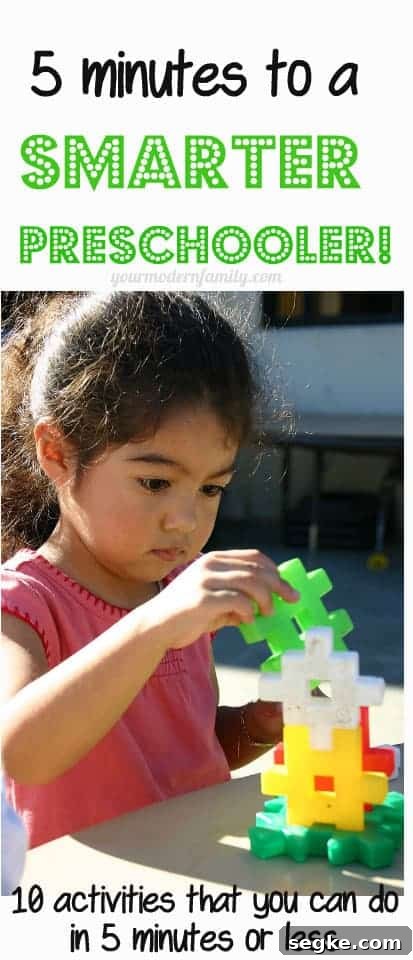
5 — Talk about what your child is doing and repeat their actions. Narrating and reflecting a child’s play shows that you’re paying attention and helps develop language, reasoning, and social communication. If your child is pushing a train along tracks, comment: “Thomas is going really fast! Where is he going? Oh, he’s going to the store — what will he buy?” Asking open-ended questions invites pretend play and expands vocabulary. Mirroring phrases and actions (“You put the blue block on top — you stacked them!”) reinforces learning and encourages more complex play.
Simple additions like labeling objects, asking “what” and “why” questions, introducing new vocabulary during familiar routines, and turning every-day moments into tiny lessons all add up. The aim is not to create formal lessons, but to weave learning into the joyful, natural flow of play. Small, consistent interactions build skills over time and strengthen the bond between you and your child.
Below are a few related images that illustrate ideas for play-based learning and reading routines.