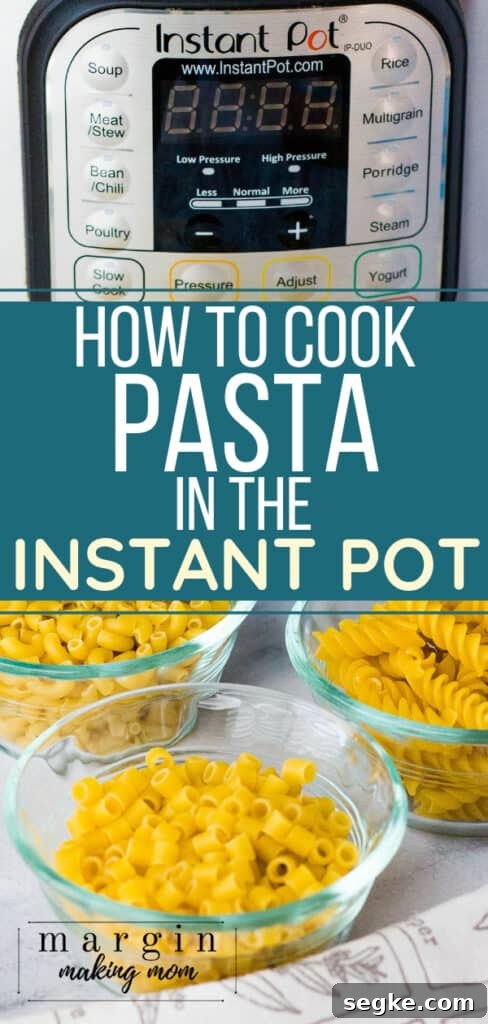
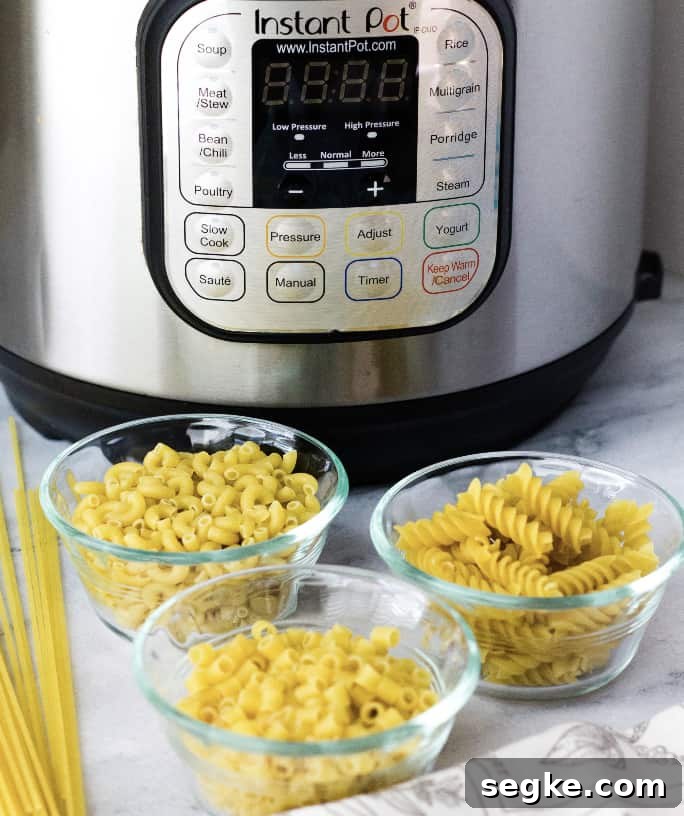
It’s really easy to cook pasta in the Instant Pot! Get my helpful tips and tricks for making perfect pasta with your pressure cooker!
Forget about starchy water boiling over on the stove and babysitting a pot while you stir—make pasta in your Instant Pot instead!
Note: This post may contain affiliate links for your convenience. If you make a purchase I may receive a small commission at no additional cost to you. See my disclosure policy for details.
Many home cooks are surprised to learn that pasta cooks beautifully in a pressure cooker. The Instant Pot speeds up the process and makes pasta mostly hands-free, which is ideal for busy evenings.
Why Would You Want to Make Pasta in the Instant Pot?
Cooking pasta on the stovetop isn’t hard, but the Instant Pot offers several advantages. It reduces the need to watch a rolling pot, eliminates frequent stirring to prevent boiling over, and frees you up to handle other tasks while your pasta cooks.
It’s also great for reheating leftovers—the Instant Pot can gently warm pasta without drying it out when you use the right settings.
That said, a little technique goes a long way. Once you learn a few simple tips, making perfect Instant Pot pasta becomes fast and easy.
Instant Pot Pasta to Water Ratio
The key is to have just enough liquid to barely cover the pasta. Regardless of how much pasta you cook, the pasta should be submerged so it cooks evenly. Also ensure you meet your Instant Pot model’s minimum liquid requirement—usually at least 1 cup.
Many ratio formulas exist, but my reliable approach is simple: cover the pasta just barely with water or sauce and proceed from there.
How to Calculate Cook Time for Pasta in the Instant Pot
Cook time depends on the pasta shape and the package instructions. Use this easy formula for high-pressure cooking: take the recommended stovetop cook time on the box, divide it in half, then subtract one minute.
For example, a package that suggests 10 minutes on the stovetop becomes 4 minutes in the Instant Pot (10 ÷ 2 = 5, then 5 − 1 = 4). If the package lists an odd number, round down to the nearest even number before applying the formula.
Preferences vary—if the pasta is still too firm, add one minute. If you like it firmer, subtract one more minute. It’s a simple, flexible rule that gives great results.
How to Cook Plain Pasta in the Instant Pot
To cook plain pasta, add the dry pasta to the Instant Pot insert and pour in enough water to just cover the pasta. Close the lid, set the valve to sealed, and program the calculated high-pressure cook time.
Releasing Pressure After Cooking
Avoid a full natural release for pasta; it continues cooking and can turn mushy. Instead, use one of these methods:
- Natural release for about 5 minutes, then quick release to stop cooking while allowing foam to settle slightly.
- Intermittent release: open the vent briefly to release steam, then close it and wait 20–30 seconds if starchy water appears. Repeat until only steam escapes, then finish releasing pressure.
- Slow release: crack the vent open slightly so pressure bleeds off slowly, reducing violent foaming.
When the valve drops, open the lid carefully and drain any excess water.
Cooking Pasta in the Instant Pot with Sauce
You can cook pasta directly in a sauce for a true one-pot meal. The sauce must be thin enough to boil and produce steam; thick sauces won’t generate pressure properly and can cause scorching or a burn error.
If your sauce is too thick, thin it with water, broth, or a splash of tomato juice until it will cover the pasta and simmer freely.
If the Sauce is Runny
If the sauce is thinner than you like after pressure cooking, let the pasta rest for a few minutes so it absorbs extra liquid, or use the Sauté function to evaporate excess moisture. A cornstarch slurry can also thicken some sauces if needed.
How to Reduce Foam When Making Pasta in the Instant Pot
Starchy foods tend to foam, which can lead to sputtering steam or foamy liquid escaping the vent. For pasta, avoid a prolonged natural release. Instead try intermittent or slow releases to manage foam. Adding a small pat of butter or a teaspoon of oil to the cooking liquid also helps reduce foaming.
Best Types of Pasta to Cook in the Instant Pot
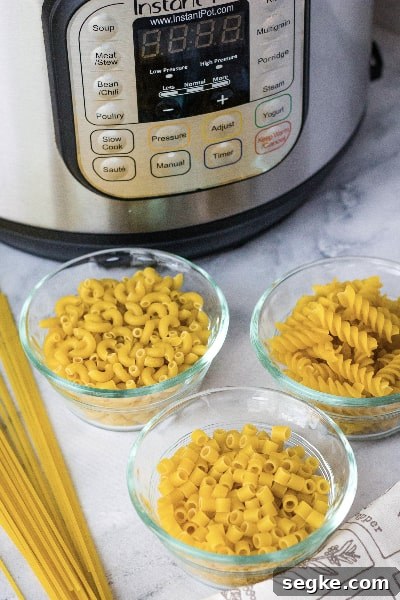
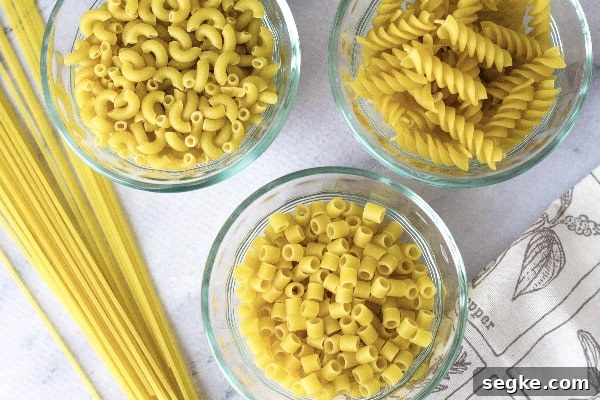
Short pastas — rotini, penne, macaroni, farfalle, and ditalini — work best and are least likely to clump. Small shapes like orzo also do well when you follow package times carefully.
Long noodles such as spaghetti or fettuccine can be cooked if you break them in half and add a little oil to reduce sticking. Delicate tiny pastas (like pastina) cook very quickly and can be easy to overcook under pressure.
Frozen filled pastas like tortellini and frozen ravioli cook faster and typically need only 1–3 minutes under pressure. Gnocchi, while not technically pasta, also cooks nicely in the Instant Pot and usually requires short cook times.
Easy Instant Pot Pasta Recipes to Try
Here are quick ideas for one-pot pasta meals that work well in the Instant Pot:
- Creamy tortellini with sausage — cheese-filled tortellini cooked in a simple creamy tomato or Alfredo-style sauce.
- Enchilada-style pasta — a saucy, cheesy pasta with familiar enchilada flavors for a family-friendly dinner.
- Chili mac — ground beef, pasta, cheese, and chili flavors combined into a comforting, fast skillet-style meal.
- Frozen ravioli or tortellini dishes — cook frozen filled pasta with sauce for a quick supper.
- Orzo preparations — orzo with lemon and Parmesan or as a base for soups and salads.
- Cheeseburger macaroni — a hearty, savory pasta with ground beef and melted cheese.
- Macaroni and cheese variations — classic creamy mac and cheese, or add ham or vegetables for variety.
- Pasta soups like pasta e fagioli or chicken noodle — cook the pasta directly in the broth for a rich, hearty bowl.
- Lazy lasagna casserole and ravioli lasagna — deconstructed lasagna made faster by pressure cooking.
Use the cook-time formula above and thin sauces as needed. With a little practice you’ll consistently get tender, flavorful pasta from your Instant Pot.