
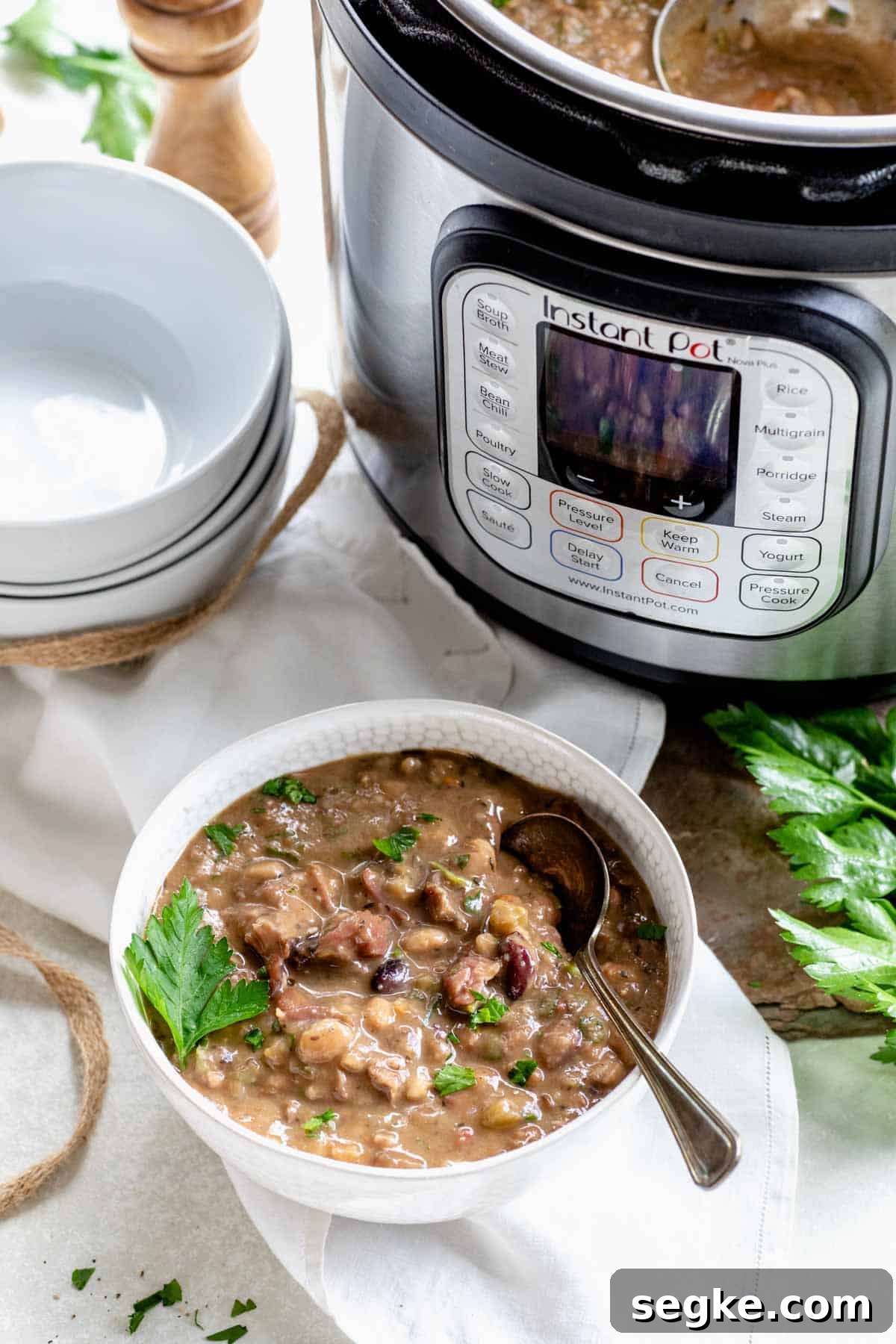
Now that you have a shiny new Instant Pot, it’s important to know what NOT to do. Here are 10 key Instant Pot don’ts — practical advice to keep you safe and get the best results from your pressure cooker.
You’ll find plenty of recipes and how-tos online, but avoiding common mistakes will save you time, prevent accidents, and protect your appliance. Pressure cooking can transform weeknight meals, but it pays to be careful.
Below are clear, user-friendly rules to follow with your Instant Pot so you can enjoy fast, reliable cooking without surprises.
What Instant Pot Should I Buy?
I own two Instant Pots and often use both when I’m meal-prepping or cooking a main and a side at the same time. A 6-quart model is ideal for most families. The LUX model is a solid, affordable choice, and the DUO adds a yogurt function if you want that feature. Choose the size and features that fit your routine — 6 quarts is a versatile starting point for most households.
Instant Pot DON’TS
1. If you double the recipe, don’t double the time
Doubling a recipe usually does not require doubling the cooking time. Most pressure-cooking times remain the same because pressure and heat transfer work similarly regardless of volume. The only exceptions are very dense foods or large, frozen blocks; consult specific recipes for guidance.
2. Don’t cancel just because it takes a few minutes to pressurize
After setting a program, the Instant Pot will display “On” while it builds pressure. Depending on the amount and temperature of the food, pressurizing can take anywhere from 5 to 30 minutes. Don’t press Cancel during this stage — your food is already heating and canceling will interrupt the process and waste energy and time.
3. Don’t remove the lid before pressure is fully released
Opening the lid while the pot is pressurized is dangerous. The Instant Pot is designed so the lid remains locked until internal pressure drops to a safe level. Never force the lid open; always wait for the pressure indicator to drop or follow the recipe’s recommended release method.
4. Never put your hand over the steam when it’s releasing
Steam released from the valve is extremely hot and can cause severe burns. Keep hands and face away from the steam path during quick release. If you need to direct steam away from cabinets or people, use a steam diverter attachment and position it before you start cooking.
5. Don’t place the stainless steel inner pot or the cooker on a stovetop
The Instant Pot and its inner pot are intended for countertop electrical use only. Placing the base or the removable metal bowl on a hot stovetop or in an oven can damage components and void warranties. Keep the cooker away from other heat sources and allow a few inches of clearance for ventilation.
6. Never add food or liquid without the inner pot in place
Putting ingredients directly into the cooker base without the stainless steel liner can ruin the heating element. Always check that the inner pot is seated correctly before adding food or turning the unit on. If you accidentally add liquid to the base, unplug the unit and follow manufacturer guidance for cleaning and repair.
7. Different size Instant Pots usually use the same cooking times
A 3-, 6-, or 8-quart Instant Pot often uses the same pressure-cooking times for the same recipes. The exception is when ingredients are layered differently or packed tightly. Follow the recipe timings and adjust only when you know how volume or arrangement affects heat transfer.
8. Don’t use only thick liquids — you need some thin liquid for pressure to build
Thick sauces or gravies may prevent the pot from reaching pressure because they can’t generate sufficient steam. Always include at least a small amount of thin liquid (water, stock, or broth) — a good rule of thumb is about 1/2 cup — unless a recipe specifies otherwise.
9. Never fill the pot past the maximum fill line
Overfilling can clog the pressure release valve and cause food to spew out during cooking or release. Do not exceed the designated fill line, and for foods that expand or foam (like rice, beans, or soups), keep the pot no more than two-thirds full. If foaming occurs, choose natural release when possible to avoid splatter.
10. It’s Instant Pot, not “Insta Pot”
This is a light-hearted tip: the correct name is Instant Pot. That said, whatever you call it, treating it with respect and following safety guidelines will keep it working well for years.
With the don’ts out of the way, it’s time to start cooking
Knowing these common mistakes will help you get more confident with your Instant Pot quickly. If you’re new, start with a few basic recipes — soups, beans, shredded chicken, and simple stews are forgiving and teach you how timing and release methods affect results. There are many beginner video tutorials and recipe collections that walk through step-by-step Instant Pot basics, including “7 Basic Instant Pot Recipes for Beginners.” Watch one that demonstrates each step slowly so you can learn pressure build, release options, and how to layer ingredients safely.
Follow these don’ts, and your Instant Pot will become one of your most reliable kitchen tools.