
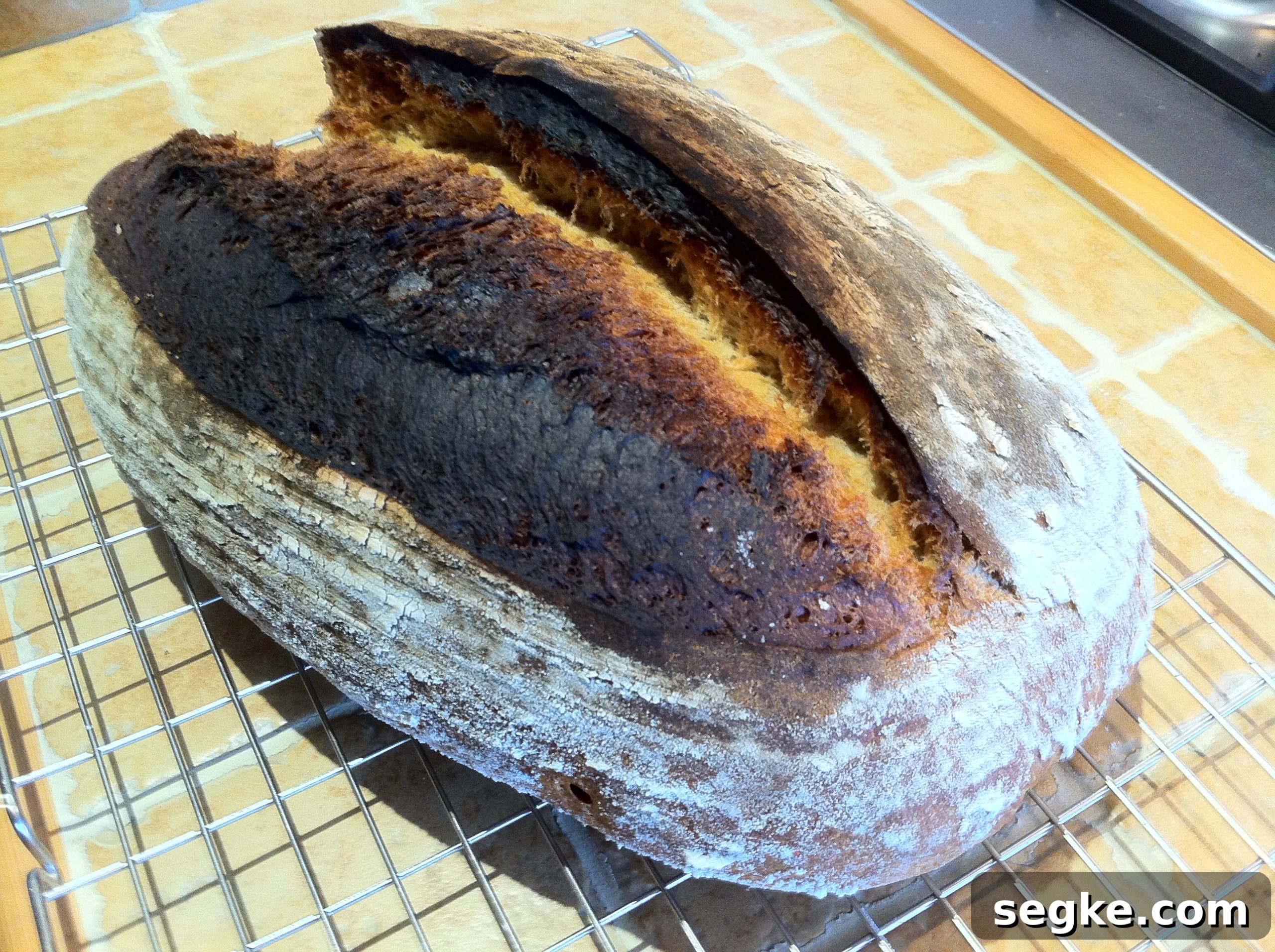
I love how Twitter spreads ideas so quickly and brings people together, and I also enjoy how it can lead to sharing real, tangible things. This kefir bread is a great example of that — a recipe born from a few generous exchanges and a lot of enthusiastic baking.”
Please excuse the quick iPhone photos; the loaf was gone fast and I didn’t get a chance to take anything fancier.
I sent some kefir to Joanna at Zeb Bakes and she experimented with a kefir-leavened bread recipe shared by her friend Cecilia. Both wrote helpful accounts of their experiences, which inspired me to try my own version. With that background reading and a little trial, I adapted the approach to suit my ingredients and schedule.
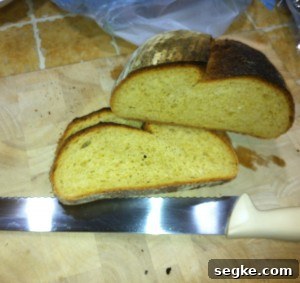
The result was a very pleasing loaf: soft and tender inside with a crisp, golden crust, a touch of sweetness and a subtle tang from the kefir. It makes excellent sandwiches, toasts quickly and nicely, and pairs well with marmalade or cheese. Because kefir is a live culture, plan at least a couple of days ahead so you can develop a lively sponge before making the final dough.
I adjusted earlier recipes by increasing the proportion of kefir in the sponge and slightly reducing the water. The recipe below reflects those tweaks and the technique that worked best for me.
Kefir bread recipe
Ingredients
Sponge
300g drained kefir milk (no grains)
150g strong white bread flour
100g warm water
30g honey
Dough
300g strong white bread flour
300g plain or all-purpose flour
50g olive oil (or a neutral oil of your choice)
12g fine sea salt
100g warm water (may be needed to adjust consistency)
Method
Combine the sponge ingredients in a bowl with plenty of room for expansion. Cover with a plastic bag, cling film or a shower cap and leave in a warm place for 12–18 hours. By the end of that time the mixture should be bubbling and pleasantly active. If you plan to bake during the day, start the sponge the afternoon or evening before.
When the sponge is active, mix it together with the dough ingredients, holding back the final 100g of water. Stir the mixture until it comes together and then add small amounts of the reserved water only if the dough feels too dry. The final dough should be slightly sticky — not dry and not overly wet.
Update – May 2013
After experimenting further I changed my handling slightly. Once the dough is mixed, I leave it to rest and perform two folds at 45-minute intervals, then allow a final 45-minute rest after the second set of folds. The routine is: mix, rest 45 minutes, fold, rest 45 minutes, fold, rest 45 minutes. Folding helps strengthen the dough without intensive kneading.
Shape your dough into a single large batard, divide it into two loaves, place it in oiled and floured tins, or form rolls — choose the shape you prefer. I used a long banneton for one large loaf.
Cover lightly and leave the shaped dough in a warm spot until it has approximately doubled in size. This typically takes a couple of hours, but ambient temperature and ingredient activity will affect the timing.
Preheat the oven to 230°C. Bake the bread at this temperature for about 15 minutes to develop oven spring and colour. Then reduce the temperature to 190°C and continue baking for another 25–35 minutes for a full-sized loaf, or 20–25 minutes total for rolls, until the crust is deep golden and the loaf sounds hollow when tapped.
Allow the bread to cool on a rack before slicing. The crumb on my loaf was tender with a pleasing color influenced in part by the palm oil I used on this occasion instead of olive oil.
Notes and tips
– Use active, well-drained kefir for the sponge; it should be lively and bubbly after its overnight fermentation.
– Keep the dough slightly sticky — that moisture helps produce an open, tender crumb.
– Folding replaces intensive kneading and builds structure gently; it’s especially useful for no-knead and long-fermentation breads.
– Adjust proving time to suit your kitchen temperature. Cooler rooms will need longer, warmer rooms will speed things up.
– Store any leftover bread wrapped in a cloth or in a bread box to keep the crust crisp and the crumb soft. Slice and freeze portions for longer storage.
This kefir bread is a simple yet rewarding loaf to add to your baking repertoire. It’s forgiving, full of character from the kefir, and versatile for everyday use.