Moroccan Cuisine and a Simple Preserved Lemon Recipe
Moroccan cuisine is one of North Africa’s most celebrated culinary traditions. Shaped by centuries of cultural exchange, its flavors reflect Arab, Berber, Moorish, Mediterranean, Middle Eastern, Iberian, African and Jewish influences. The result is a cuisine that balances sweet and savory, fragrant spice blends, and fresh regional produce.
Fruits figure prominently in Moroccan dishes, both fresh and dried: apricots, dates, figs and raisins appear in tagines, salads and desserts. Citrus, especially lemons preserved in a salty brine, is a hallmark of many classic recipes. Nuts such as almonds, pistachios and pine nuts add richness to both savory dishes and pastries. Moroccan sweets are famously indulgent—often layered filo or semolina treats perfumed with cinnamon, orange blossom and almond, sweetened with honey or syrup.
Spices and Flavor Building
Spices are the backbone of Moroccan cooking. Typical seasonings include cinnamon (karfa), cumin (kamoun), turmeric (kharkoum), ginger (skingbir), black pepper (elbezar), anise seed, sesame seed, coriander (kasbour), parsley (maadnous), saffron (zaafrane beldi) and mint. These spices are used not only for their taste but historically for medicinal qualities as well. Ras el hanout, a complex blend of many spices, is one of the most recognizable Moroccan mixes and is often featured in tagines and roasted meats.
Among the widely used spices, ten are especially common: cayenne (felfla), cinnamon, turmeric, ginger, black pepper, aniseed, sesame seeds, cumin, paprika and saffron. A visit to a local souk (market) is the best way to experience the full range of spices, fresh produce and pantry items that give Moroccan cooking its distinctive character.
Souks: Where Ingredients and Tradition Meet
Souks are vibrant marketplaces found across Morocco. They range from covered commercial quarters to open-air stalls, selling everything from textiles and ceramics to fresh vegetables, spices and preserved foods. For cooks, a souk is the ideal place to source authentic ingredients and to observe how locals select and combine flavors.
Preserved Lemons: What They Are and Why They Matter
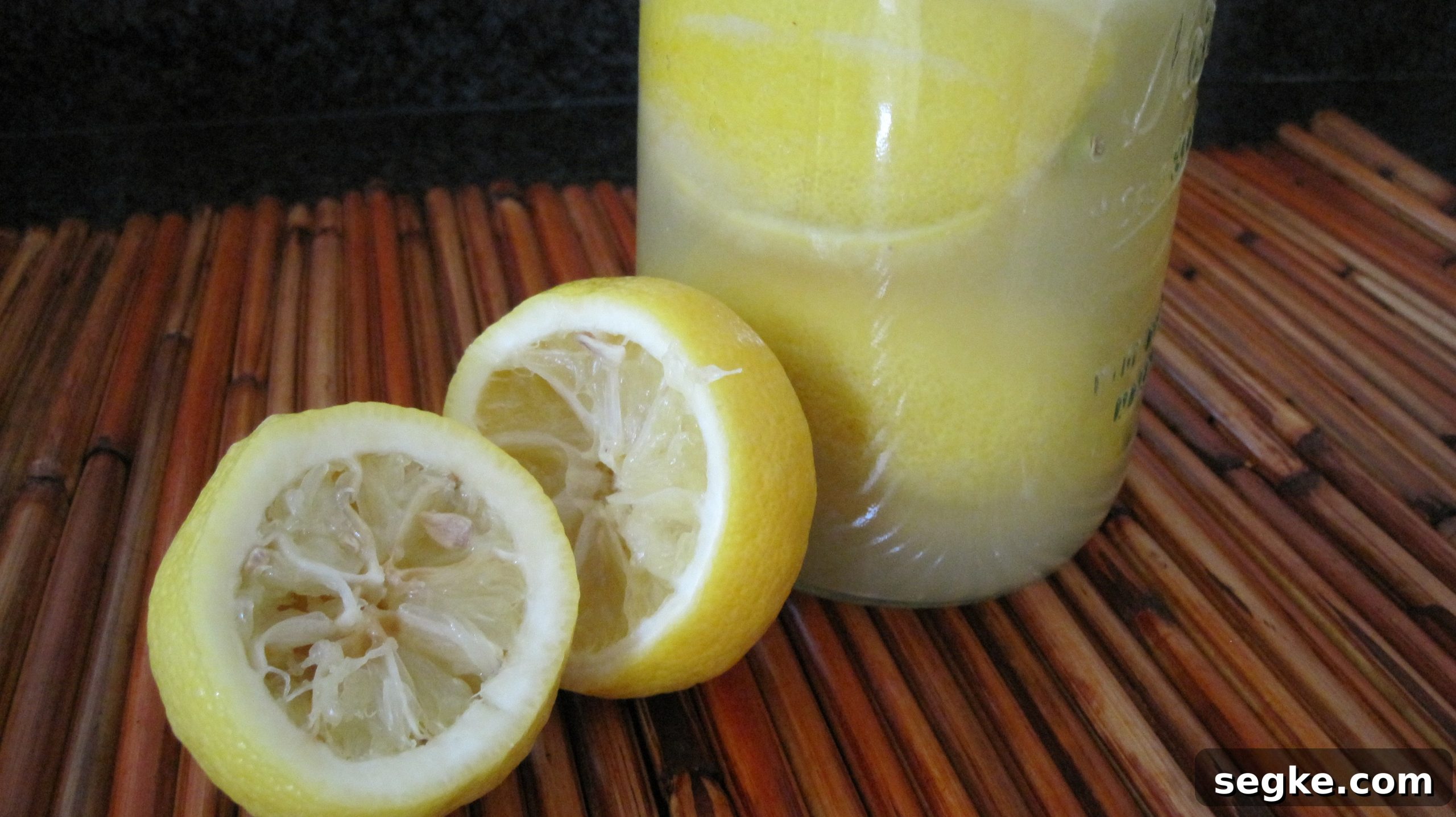
Preserved lemons are lemons cured in salt and their own juice until the rind softens and the flavor becomes mellow, tangy and slightly fermented. They are used whole, sliced or chopped in tagines, salads, sauces and marinades, adding a bright, complex citrus note that fresh lemons cannot replicate. While preserved lemons can be purchased in specialty stores, they are easy to make at home and keep for months.
True preserved lemons made using a traditional curing method take time—often around 30 days—to develop their full flavor. When prepared correctly and refrigerated, they will store for up to a year. Faster methods exist, but those typically yield a short-lived product that lacks depth.
Preserved Lemon Overview (Traditional Method)
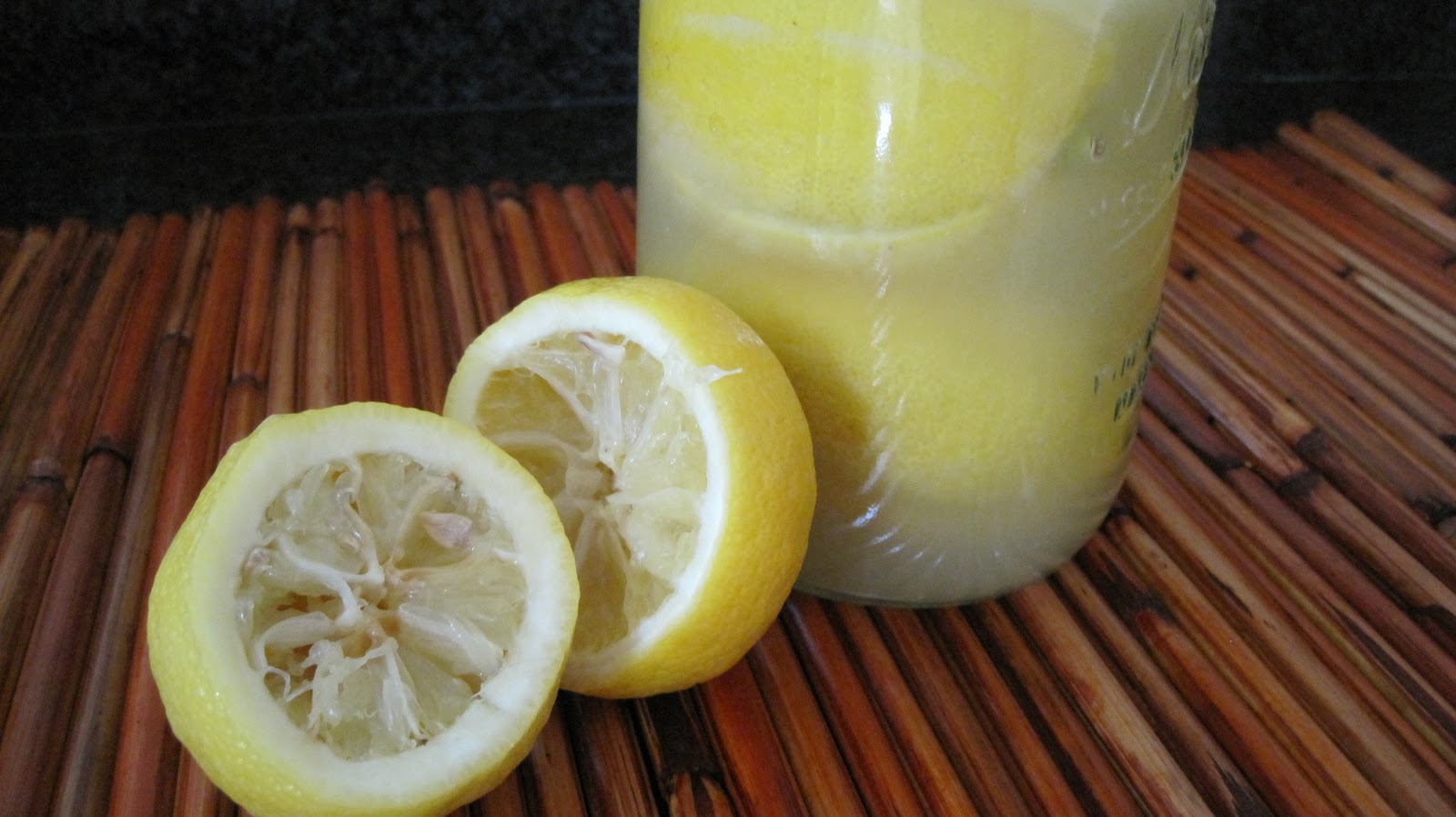
The basic elements of the traditional method are simple: fresh lemons, kosher or coarse salt, and a clean jar with a tight-fitting lid. Lemons are quartered without cutting all the way through, packed with salt, squeezed to release juice and pressed into the jar. Over several weeks the salt draws out liquid and the rinds soften and mellow. This technique is described in well-regarded Moroccan cookbooks and is a reliable way to create authentic preserved lemons for use in many recipes.

|
| Quartered lemons, salt and a jar with a tight-fitting lid |
|
| Quartered lemons packed tightly in a jar with salt and their juice |
This write-up follows the traditional approach popularized in authoritative sources on Moroccan cooking. If you prepare preserved lemons today, plan for at least a month for the flavors to mature. Once ready, they will lend a bright, savory-acid balance to roasted vegetables, chicken and fish, as well as grain and legume dishes.
Try making preserved lemons now and return to explore recipes that use them. They are an easy way to bring authentic Moroccan flavor into your kitchen.
Happy cooking!