

A simple guide to help you understand and cook with the best cooking fats and oils for your health!
When you shop for oils and cooking fats, the variety can feel overwhelming. This concise guide will help you choose healthier options, explain how to use them based on cooking temperature, and point out which fats to limit or avoid.
CHOOSING YOUR COOKING FAT
Great
Prefer whole, minimally processed fats when possible. These choices tend to retain nutrients and are more stable when heated appropriately.
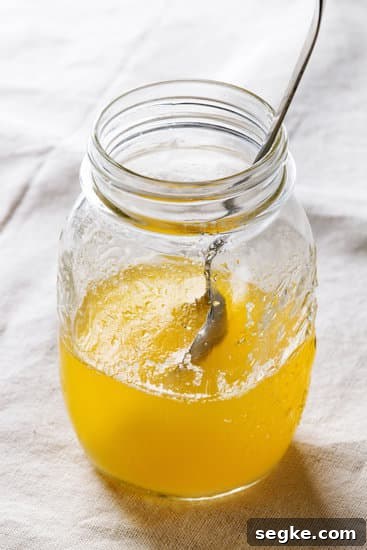
- Raw butter and ghee (preferably from grass-fed animals)
- Tallow from grass-fed cows, bison, or lamb
- Lard from pasture-raised pigs
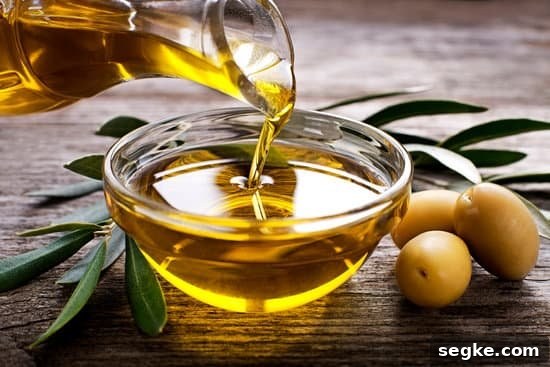
- Single-source, organic extra virgin olive oil
- Organic, sustainably farmed coconut oil
- Organic cold-pressed sesame and nut oils
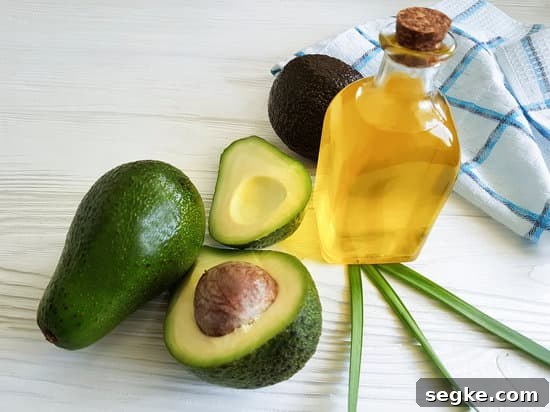
- Avocado oil
- Fair-trade, organic cocoa butter
Good
These are acceptable and useful in many kitchens. They may be more processed than the “Great” list but still offer good flavor and performance for most recipes.
- Cultured butter made from organic pasteurized milk
- Conventionally produced extra virgin olive oil
- Refined coconut oil
- Refined avocado oil
Acceptable
Reasonable options when other choices aren’t available. Take care with labeling—some light oils are blends.
- Conventional butter
- Light olive oil (ensure it is not blended with canola or other vegetable oils)
- Peanut oil
Limit or Avoid
These fats and oils are best minimized in a health-focused kitchen. Many are highly processed, contain unstable fats, or are hydrogenated.
- Margarine
- Corn oil
- Soybean oil
- Canola oil
- Cottonseed oil
- Other industrial seed-derived vegetable oils
- Shortening and hydrogenated fats
Fats differ in their chemical makeup—saturated, monounsaturated, and polyunsaturated fats all react differently to heat. Choosing the right fat for the cooking method preserves flavor and maintains oil integrity.
HOW TO USE YOUR COOKING FAT

Best fats for high heat – Saturated fats
Saturated fats are heat-stable and perform well for baking, frying, and other high-temperature cooking. They resist oxidation and maintain texture and flavor under heat.
- Grass-fed ghee
- Grass-fed butter
- Coconut oil
- Rendered animal fats (tallow, lard)
Great fats for moderate heat – Monounsaturated fats
Monounsaturated oils are versatile for medium-heat applications such as pan-frying, sautéing, and quick stir-fries. Use them where you need good flavor and reasonable heat tolerance.
- Cold-pressed avocado oil
- Cold-pressed olive oil
- Cold-pressed peanut oil
Not ideal for heat – Polyunsaturated fats
Polyunsaturated oils can be nutritious but are more fragile under heat. Their molecular structure oxidizes more easily, so they’re best reserved for salad dressings, finishing dishes, or stirring in at the end of cooking to preserve their nutritional quality.
- Most seed oils (e.g., flaxseed, safflower)
- Delicate nut oils used cold (e.g., walnut, almond oils for finishing)
Avoid
Minimize or eliminate industrially processed and hydrogenated fats. These products often contain trans fats or have been altered in ways that reduce their nutritional value and stability.
- Shortening, hydrogenated fats, margarine
- Highly processed vegetable oils such as corn, soybean, canola, and cottonseed oils
If you want to read more detail about why many vegetable oils are problematic, look for articles or resources that explain oxidation, processing methods, and how fats affect cooking at different temperatures.
In summary: prioritize minimally processed, stable fats for cooking; use monounsaturated oils for moderate heat; reserve delicate polyunsaturated oils for cold use; and limit industrially processed and hydrogenated products. Choosing the right fat for the job improves flavor, preserves nutrients, and supports a healthier kitchen overall.