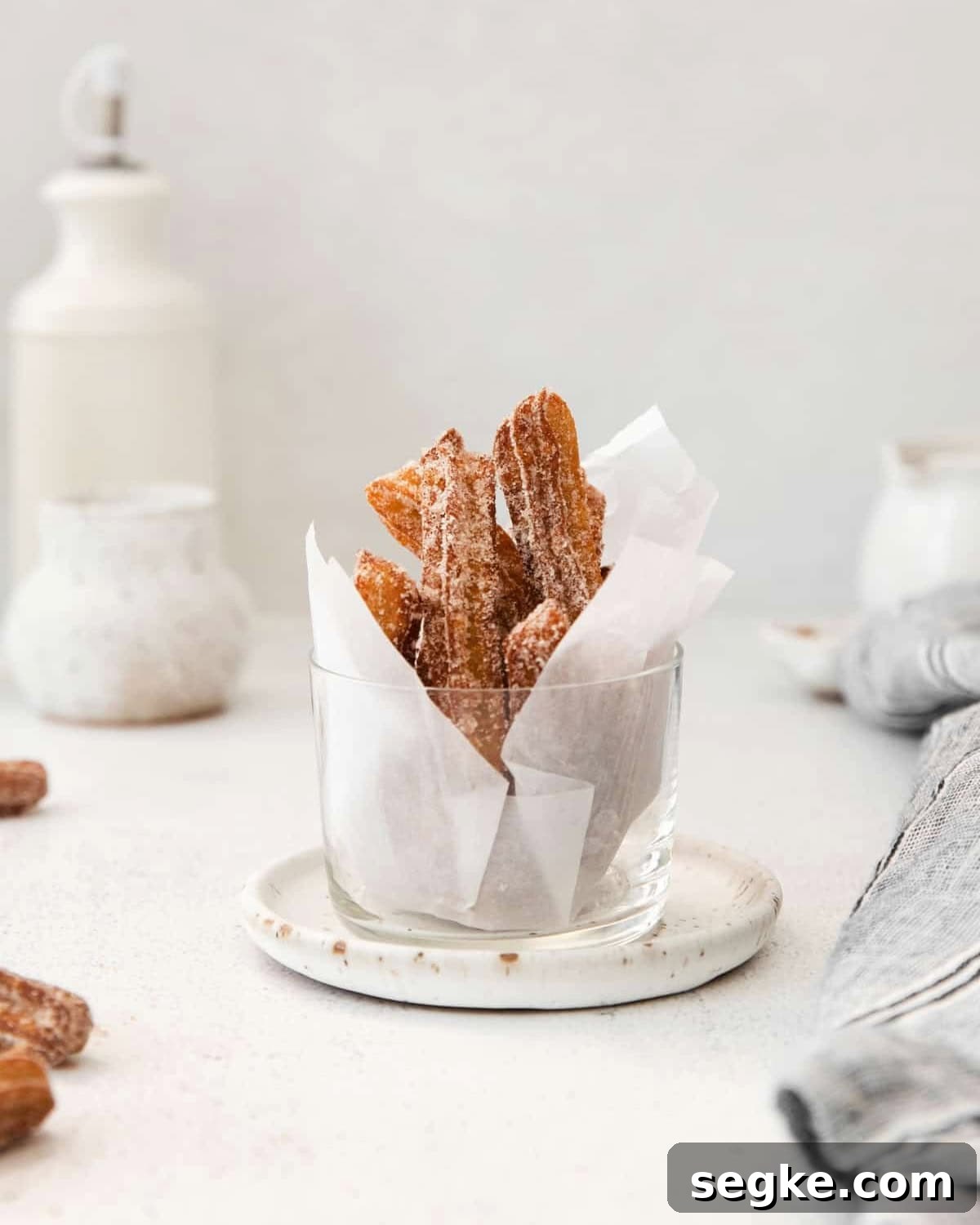
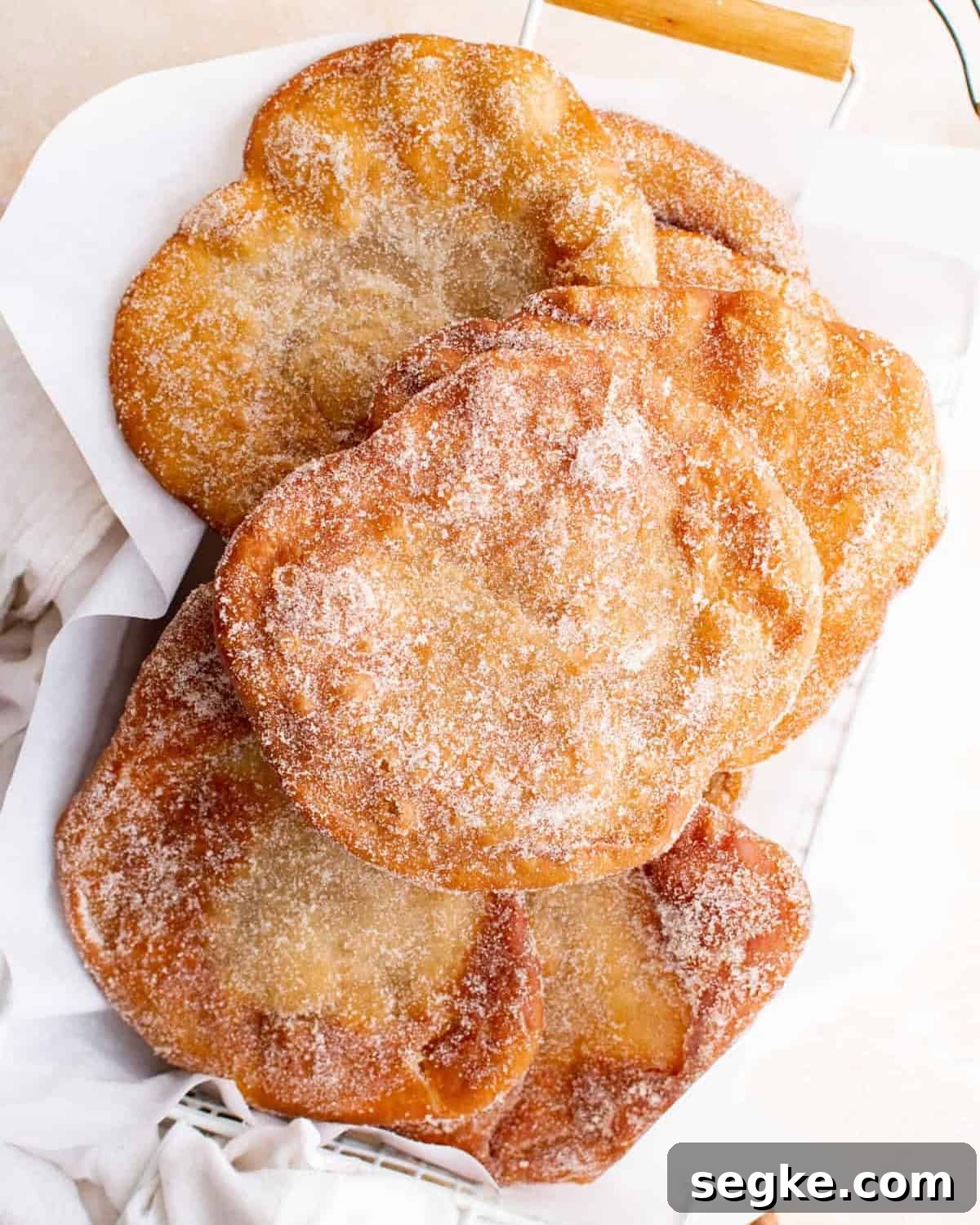
I wish fair season lasted all year, but this homemade elephant ear pastry is the next best thing. These classic carnival treats are beloved for their crisp, golden exterior, chewy interior, and generous cinnamon‑sugar coating. This recipe uses a yeast‑raised, enriched dough—milk and butter create a tender, brioche‑like base that puffs slightly in the oil for that nostalgic fair texture. With clear steps and simple ingredients, you can make authentic elephant ears at home any time.
Top Reader Review
These turned out great! I scaled the recipe to five servings and divided the dough into sixths — they fried up perfectly. We’re heading to the county fair and I wanted a nut‑safe treat for my son. These were ideal. Thank you!
–
Homemade Elephant Ears: Fair Food at Home
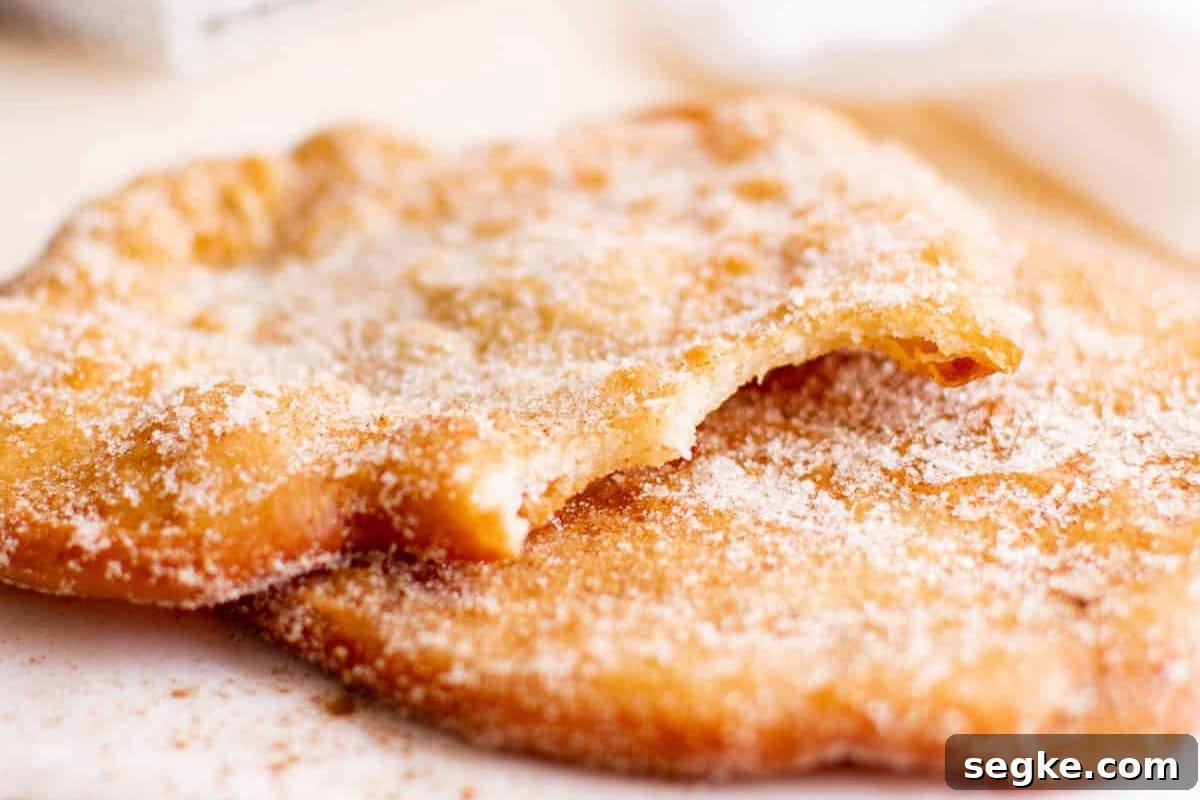
Elephant ears earn their name from their large, flat shape, and the real key to their classic texture is the yeast‑raised dough. Unlike quick recipes that rely on baking powder, this version uses whole milk and melted butter in the dough to build flavor and tenderness. When fried at a steady, moderate temperature the yeast creates small air pockets that yield a chewy interior and a lightly crisp exterior. Tossed in cinnamon and sugar while still warm, these pastries capture that unmistakable carnival flavor.
Dock and Roll for the Best Results
Roll dough discs to an even ¼‑inch thickness—about 7 inches across in this recipe—to ensure consistent cooking. Thin spots can overcook and become brittle, while thick areas may stay undercooked. Roll evenly from the center outward and, importantly, dock the dough (prick the center several times with a fork) so trapped steam can escape. Docking prevents large blisters and helps produce an even, golden surface.

Elephant Ear Pastry Recipe
Equipment
- Kitchen scale (optional)
- Instant read thermometer
- Rolling pin
- Deep frying pan or Dutch oven
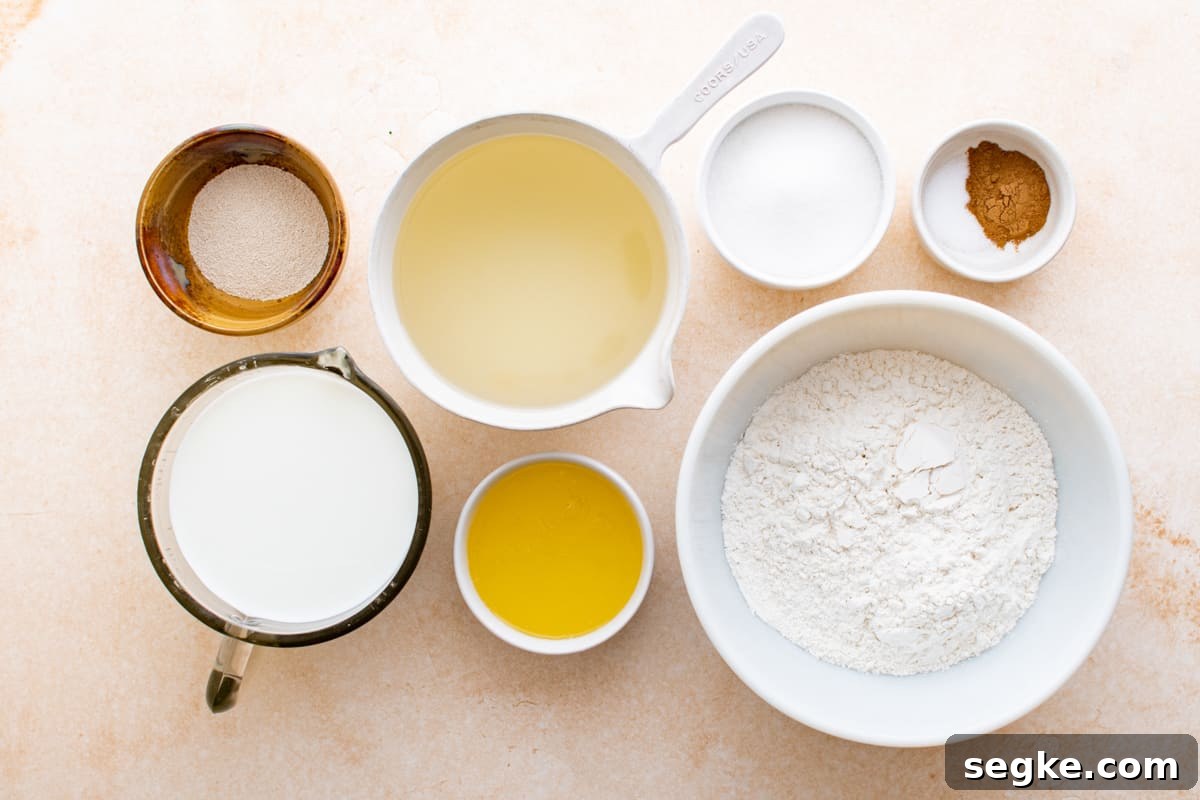
Ingredients
- 1¾ cups whole milk, warm (110°F)
- ¾ cup granulated sugar, divided
- 1½ tablespoons instant yeast
- 6 tablespoons unsalted butter, melted and cooled (¾ stick)
- 2 teaspoons ground cinnamon, divided
- ¼ teaspoon kosher salt
- 5½ cups all‑purpose flour, divided
- Vegetable oil for frying (about 2 inches in the pan)
Instructions
-
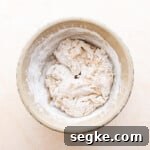
Add the warm milk, ¼ cup of the sugar, and the yeast to a large bowl. Stir and let sit for 5 minutes, until the mixture begins to bubble.

-
Stir in the melted butter, 1 teaspoon of cinnamon, and the salt until combined.
-
Add 5 cups of the flour and stir until you can no longer easily mix. Turn the dough onto a lightly floured surface.
-
Knead the dough for about 5 minutes, adding small amounts of flour only as necessary. The dough should be tacky but not sticky.
- Place dough in a lightly oiled bowl, cover, and let rise for 1 hour or until doubled.
- Heat 2 inches of oil in a deep pan to 265°F, monitoring with a thermometer. Divide dough into 15 equal pieces and roll each into a 7‑inch round (¼‑inch thick). If the dough snaps back, let the cut pieces rest 10 minutes under a damp towel.
-
Fry one disk at a time for 3–4 minutes, flipping every 30–45 seconds for even color. If a pastry puffs up excessively, dock it with a fork before frying to release steam.
-
Drain on paper towels for 15–20 seconds, then toss in the remaining ½ cup sugar mixed with 1 teaspoon cinnamon while still warm. Tap off excess and serve.




Notes & Tips
Milk: Whole milk gives the best flavor and texture.
Oil: Use an oil with a high smoke point—vegetable or canola works well.
Tips
- Measure flour by the spoon‑and‑level method to avoid dry, dense dough.
- For extra flavor, add 1 teaspoon vanilla to the dough.
- If dough is too elastic and keeps shrinking when rolled, let it rest 10 minutes under a damp cloth before rolling again.
- Dock the centers of rolled disks with a fork to prevent large blisters in the oil.
- Fry one pastry at a time to maintain oil temperature and avoid greasy results.
- Toss in the sugar while the surface is still warm so it sticks well to the pastry.
- For variety, drizzle with chocolate, caramel, or maple syrup, or serve with whipped cream and fresh fruit for a dessert twist. For a savory version, top with sauce and cheese to mimic a quick pizza snack.
Make‑Ahead
You can cold‑ferment the mixed and kneaded dough in a greased, covered bowl in the refrigerator for up to 24 hours. Punch down, shape, and fry when ready.
Storage
Store cooled pastries in an airtight container at room temperature for up to 3 days, or freeze for up to 3 months. Reheat in a 350°F oven for several minutes to restore crispness; avoid the microwave, which will make the crust chewy.
Nutrition Facts (per pastry)
Calories: 265 (54 from fat)
Fat: 6 g • Carbs: 47 g • Protein: 6 g
*Percent Daily Values are based on a 2,000 calorie diet.
How to Make Elephant Ears Step‑by‑Step
Prep: Gather ingredients and warm the milk to about 110°F. Melt the butter and let it cool slightly while the yeast blooms. Bloom the yeast by combining warm milk with ¼ cup sugar and the instant yeast; wait 5 minutes until it becomes foamy. If it does not foam, use fresh yeast.
Mix and Knead: Stir in butter, cinnamon, and salt. Add most of the flour and mix until the dough begins to pull from the bowl. Knead by hand or with a stand mixer for about 5 minutes until tacky but not sticky.
Proof: Place dough in a lightly oiled bowl, cover, and proof for about 1 hour until doubled. Divide and roll dough into 15 rounds, dock the centers, and fry at 265°F until golden, flipping regularly for even color.
Sugar: Mix the remaining sugar and cinnamon and toss warm pastries in the mixture so it adheres to the slightly oily surface.
How to Store, Freeze, and Reheat
Keep leftovers in an airtight container at room temperature for up to three days, or freeze for up to three months. Reheat in a 350°F oven until crisp—this restores texture best. Avoid microwaving, as it will make the crust limp.
More Fried Dessert Recipes to Try
-
Homemade Cinnamon Sugar Donuts
-
Homemade Cannoli
-
Boston Cream Pie Donuts
-
Churros