
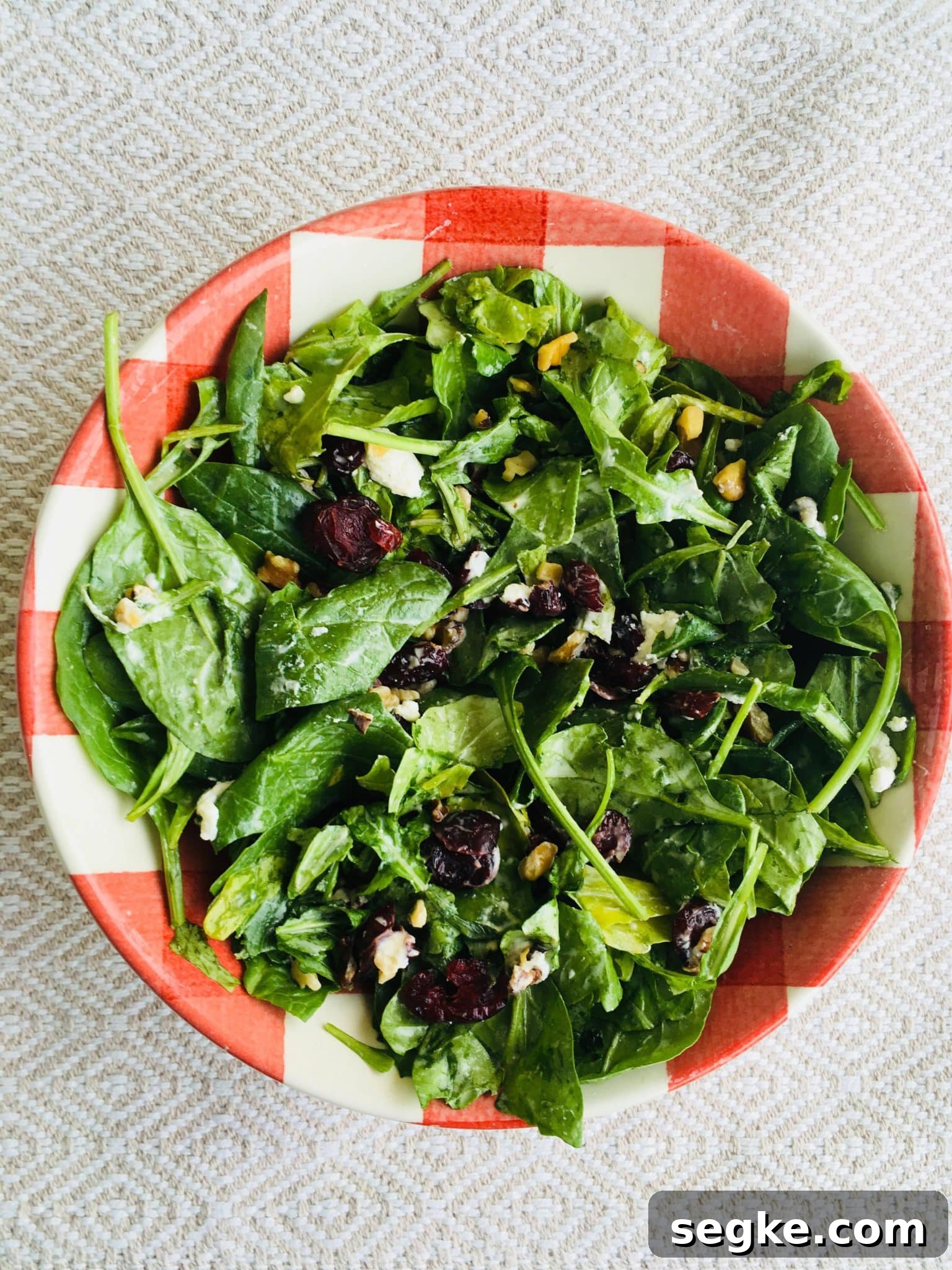
Which foods help broken bones heal faster? I fractured a bone in my foot during a group tennis lesson a few weeks ago, and I’ve been focused on anything that might speed recovery. Nutrition plays a major role in fracture healing. Below is a research-informed guide to the nutrients and foods that support faster, stronger bone repair.
Pin this image for later!
The Process of Fracture Healing
Fracture healing happens in three overlapping phases: inflammation, reparation, and remodeling. Understanding each stage helps you target your nutrition to support the body’s natural repair process.
Stage 1: Inflammation
Right after a bone breaks, blood flow to the area increases. Immune signaling molecules called cytokines recruit repair cells to the fracture site. Those repair cells begin producing the proteins and structural elements needed to reconstruct bone and cartilage.
Stage 2: Reparation (Repair)
About two weeks after the fracture, repair cells form a soft callus made of collagen and initial bone matrix. Over the next 6 to 12 weeks this soft callus consolidates and begins to harden into more organized bone tissue.
Stage 3: Remodeling
The remodeling phase refines and strengthens the newly formed bone. Osteoclasts and osteoblasts work to reshape the healed area into durable bone that can withstand normal loads again. This stage can last months, even years, depending on the fracture and the person.
The entire healing sequence demands energy, blood flow, protein synthesis, and a steady supply of vitamins and minerals. Good nutrition supports each step and can help fractures heal more quickly and thoroughly.
Nutrition for Fracture Healing
Beyond rest and immobilization, targeted nutrition matters. After a fracture your body’s needs increase, so aim to support healing with adequate calories, protein, and bone-specific nutrients.
Eat Enough Calories
This is not the time to restrict food. Injury raises your energy requirements because the body diverts calories to tissue repair. Calorie needs vary by individual, but a reasonable guideline during recovery is roughly 25–30 calories per kilogram of body weight. To convert pounds to kilograms, divide pounds by 2.2. For example, a 150 lb person (about 68 kg) would need roughly 1,700–2,050 calories per day while healing, depending on activity level and other factors. Consult a registered dietitian for personalized guidance.
Eat More Protein
Protein is a major component of bone structure and is essential for making the collagen and matrix that become new bone. Protein deficiency slows healing, while adequate intake supports bone formation. Aim for about 1.0–1.5 grams of protein per kilogram of body weight per day. For a 150 lb (68 kg) person, that translates to roughly 68–100 grams of protein daily. Include a mix of animal and plant proteins such as poultry, fish, dairy, eggs, legumes, nuts, and seeds.
Thai Coconut Red Curry Chicken Thighs with Bok Choy
Key Vitamins and Minerals for Fracture Healing
Calcium
Calcium is a primary component of bone mineral. During the reparative phase, sufficient calcium in the bloodstream allows the new bone matrix to mineralize and become strong. Recommended adult intake varies but aiming for about 1,000–1,200 mg per day is reasonable for fracture healing and bone health. Good food sources include dairy (milk, yogurt, cheese), leafy greens such as kale and broccoli, and calcium-fortified foods like plant milks and fortified orange juice.
Vitamin D
Vitamin D helps the body absorb and use calcium. It is produced in the skin with sun exposure and is also found in certain foods. Research suggests vitamin D supports bone health and may assist fracture recovery. Recommended intake is often cited around 800 IU daily, with some evidence supporting about 1,000 IU for bone support. Food sources include oily fish (salmon, trout, mackerel), egg yolks, and fortified dairy or plant-based milks. Because it can be hard to get enough vitamin D from food alone—especially when mobility is limited—discuss testing and supplementation with your healthcare provider.
Vitamin C
Vitamin C is essential for collagen production, a key component of bone matrix. Adequate vitamin C supports the formation of the soft callus and the transition to mineralized bone. High dietary vitamin C has been linked to faster healing in some studies. Eat plenty of citrus fruits, strawberries, kiwi, bell peppers, broccoli, and other colorful fruits and vegetables.
Vitamin K
Vitamin K contributes to the process that binds calcium into bone. Higher vitamin K intake has been associated with better bone strength and reduced fracture risk. The recommended minimum is about 120 mcg for men and 90 mcg for women, but including extra vitamin K–rich greens may be helpful during recovery. Good sources include kale, collards, spinach, and broccoli.
Zinc
Zinc stimulates osteoblast activity (bone-forming cells) and supports early stages of fracture repair. Recommended daily amounts are around 11 mg for men and 8 mg for women. Rich sources include oysters, beef, shellfish, poultry, legumes, nuts, and whole grains.
Anti-Inflammatory and Antioxidant Nutrients
Fractures generate oxidative stress and inflammation. While the inflammatory response is necessary to start repair, excess oxidative damage can impair healing. Include anti-inflammatory nutrients and antioxidants:
- Omega-3 fatty acids: found in fatty fish (salmon, mackerel), chia, flax, hemp seeds, and walnuts, omega-3s help modulate inflammation.
- Antioxidants: vitamin C, vitamin E, and compounds like lycopene reduce oxidative stress. Vitamin E sources include egg yolks, almonds, sunflower seeds, and wheat germ. Lycopene is found in tomatoes, tomato products, watermelon, and guava.
Balancing anti-inflammatory foods with adequate protein and bone-specific nutrients gives your body the best chance to repair fractures efficiently.
Pin this guide for later!
Fracture Healing Foods Meal Plan
Here is a sample day of meals focused on nutrients that support bone repair.
Breakfast
Plain Greek yogurt topped with strawberries, kiwi, walnuts, and chia seeds (protein, calcium, vitamin C, omega-3s)
Lunch
Mediterranean-style kale and spinach salad with bell peppers, tomatoes, cucumber, grilled chicken, feta, chickpeas, and vinaigrette, served with whole wheat bread (protein, vitamin K, vitamin C, calcium)
Snack
Hard-boiled egg with an orange and a handful of almonds (protein, vitamin D from yolk, vitamin C, vitamin E)
Dinner
Salmon and broccoli baked with lemon, garlic, and Dijon, served with quinoa (omega-3s, protein, vitamin D, calcium, vitamin C)
Dessert
Golden turmeric smoothie (antioxidants and anti-inflammatory benefits)
Have you ever fractured a bone? What strategies or foods helped you recover more quickly?