
Last week I toured Kerr Dairy, a family-owned dairy farm in Arizona, and it was a fascinating glimpse into where our milk comes from.
The visit is a great experience for anyone curious about milk production, animal care, and modern farming practices.
Before the tour I pictured dairy farming as a simple, old-fashioned chore—milking by hand with a wooden stool and a metal bucket. The reality is much more complex and much more high-tech than I expected.
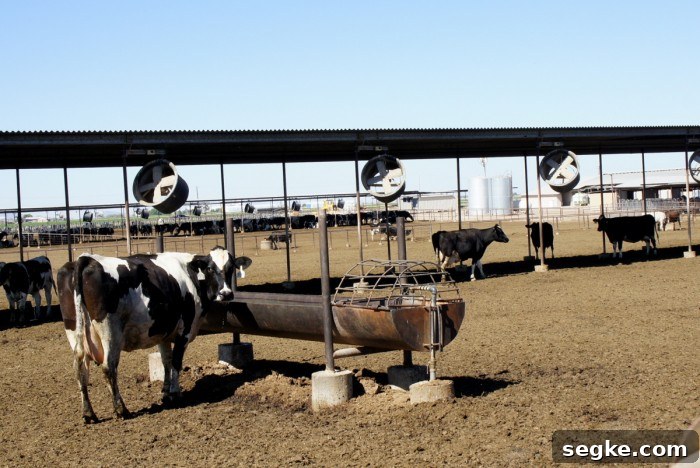
Arizona is one of the country’s notable milk-producing states, and many large dairy farms operate here. The climate and farm management allow cows to thrive and produce impressive amounts of milk.
What impressed me most was the science and technology involved in everyday dairy operations. From animal health monitoring to milking systems and cooling tanks, there’s a lot of expertise behind each gallon of milk.
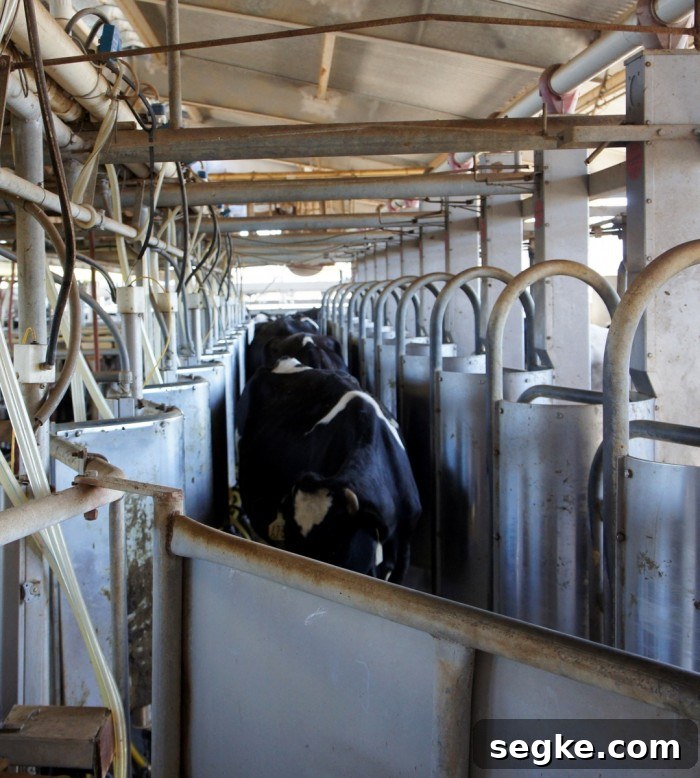
If you’ve ever breastfed a baby, you can relate to a cow’s milking process. Milking relieves pressure in the udder, which actually makes cows comfortable. The animals line up calmly for their turn in the milking stalls and wait patiently—there’s no chaos, just a routine the herd understands.
Cows are grouped by stage—fresh cows that recently calved and are producing milk, cows raising calves, and those resting between lactation cycles.
After calving, cows are ready to be milked. They walk into the stalls and the udder is cleaned thoroughly before the milking units—similar in principle to a mechanical breast pump—are attached. The milking process takes roughly eight minutes per cow.
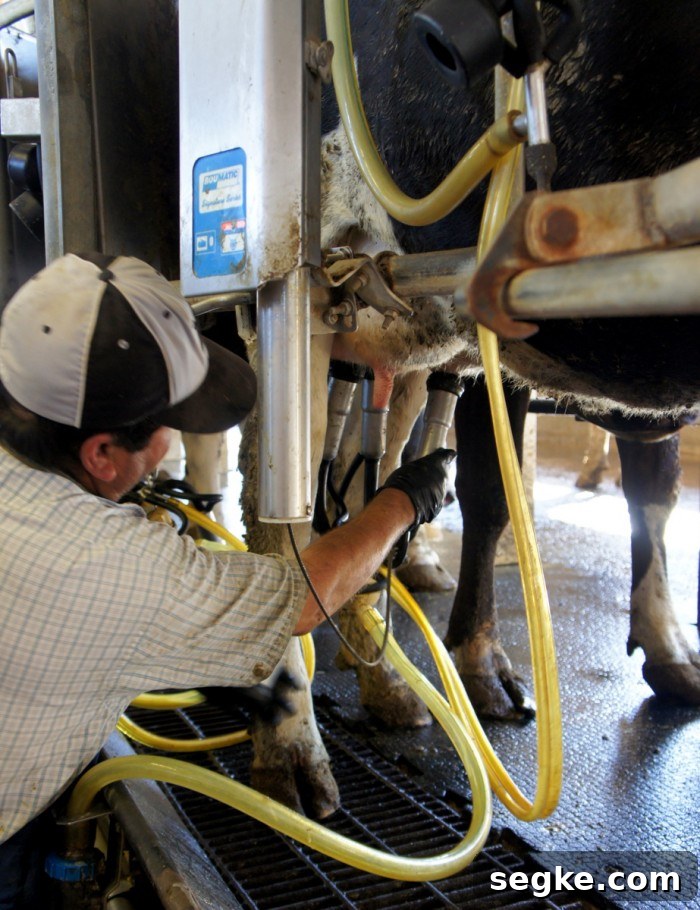
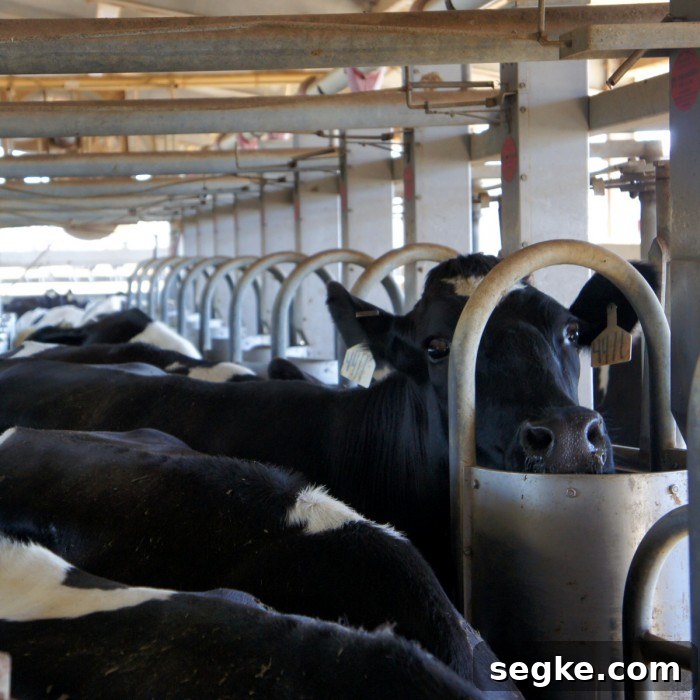
The calm atmosphere surprised me. The cows were relaxed and cooperative—exactly what dairy managers aim for, because content animals produce more milk.
When milking finishes, the cows exit in an orderly way, and the stalls are cleaned and prepped for the next group. It’s an efficient, humane routine designed around animal welfare.
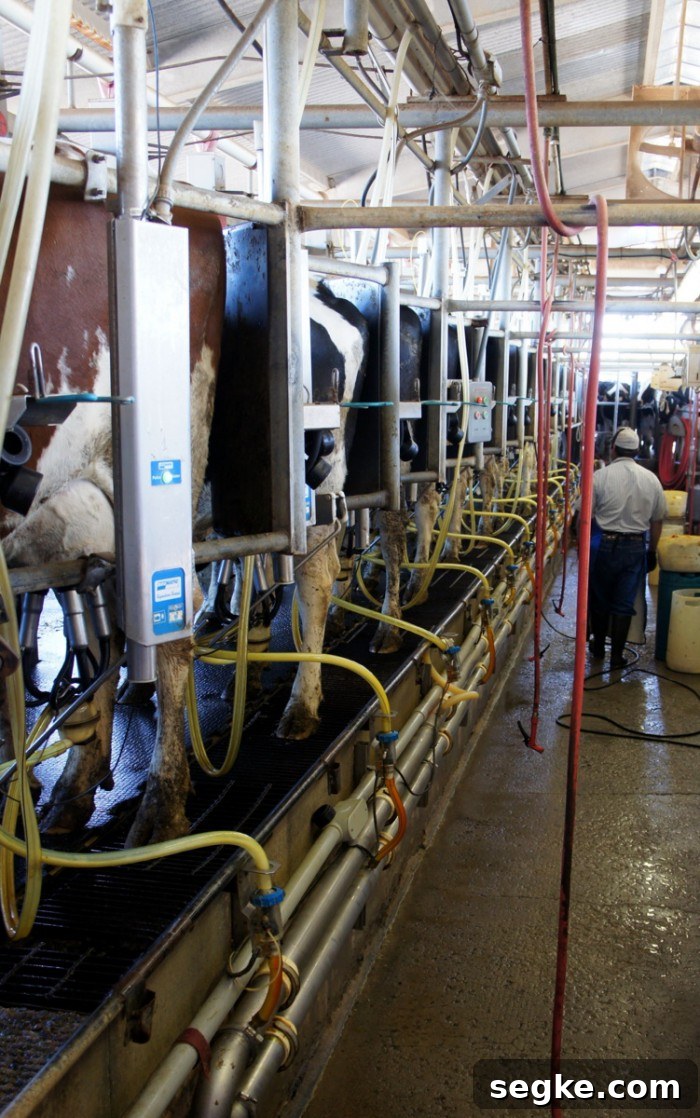
After milking, the milk is transferred through sealed pipes to a cooling tank where it is chilled quickly to about 36°F. Rapid cooling slows bacterial growth and preserves quality.
Wes Kerr, the fourth-generation owner at Kerr Dairy, walked us through the cooling tank and explained the next steps. Inside the chilled tank paddles gently circulate the milk to keep the cream from separating. Trucks pick up the milk and transport it for pasteurization and homogenization, and it can reach stores in as little as two days.
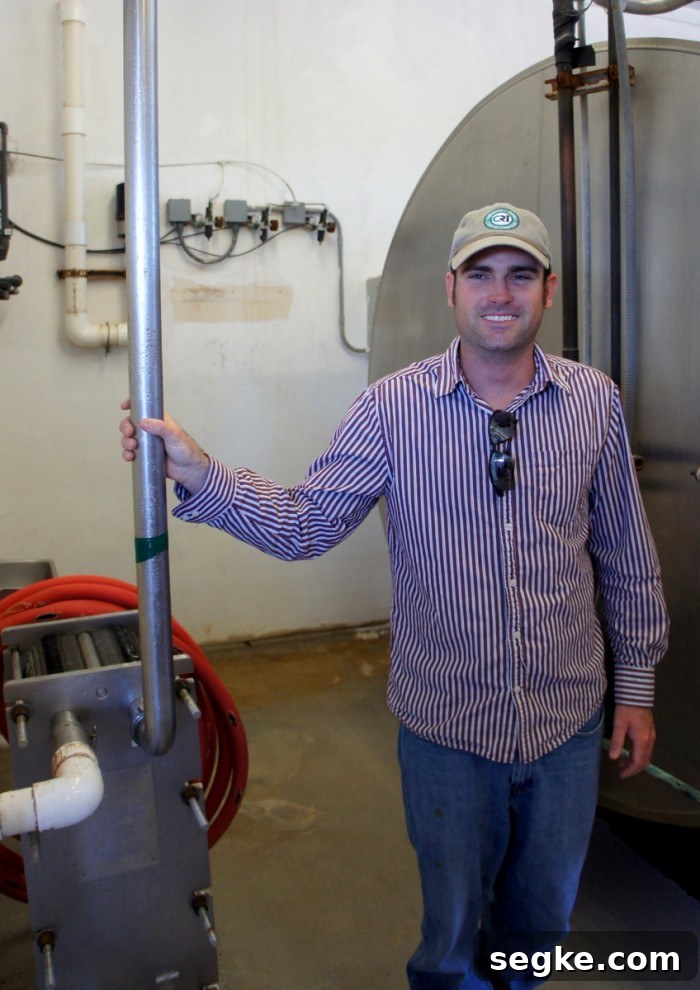
Wes also addressed common questions about hormones and antibiotics. Arizona dairy farmers have agreed not to use RBST hormones. Farmers are vigilant about antibiotics: if a cow requires medication, her milk is withheld and discarded until it tests free of residues. This “hold” practice ensures only safe milk enters the supply chain.
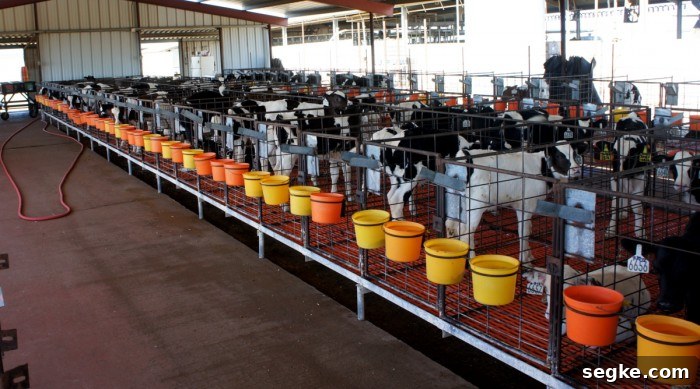
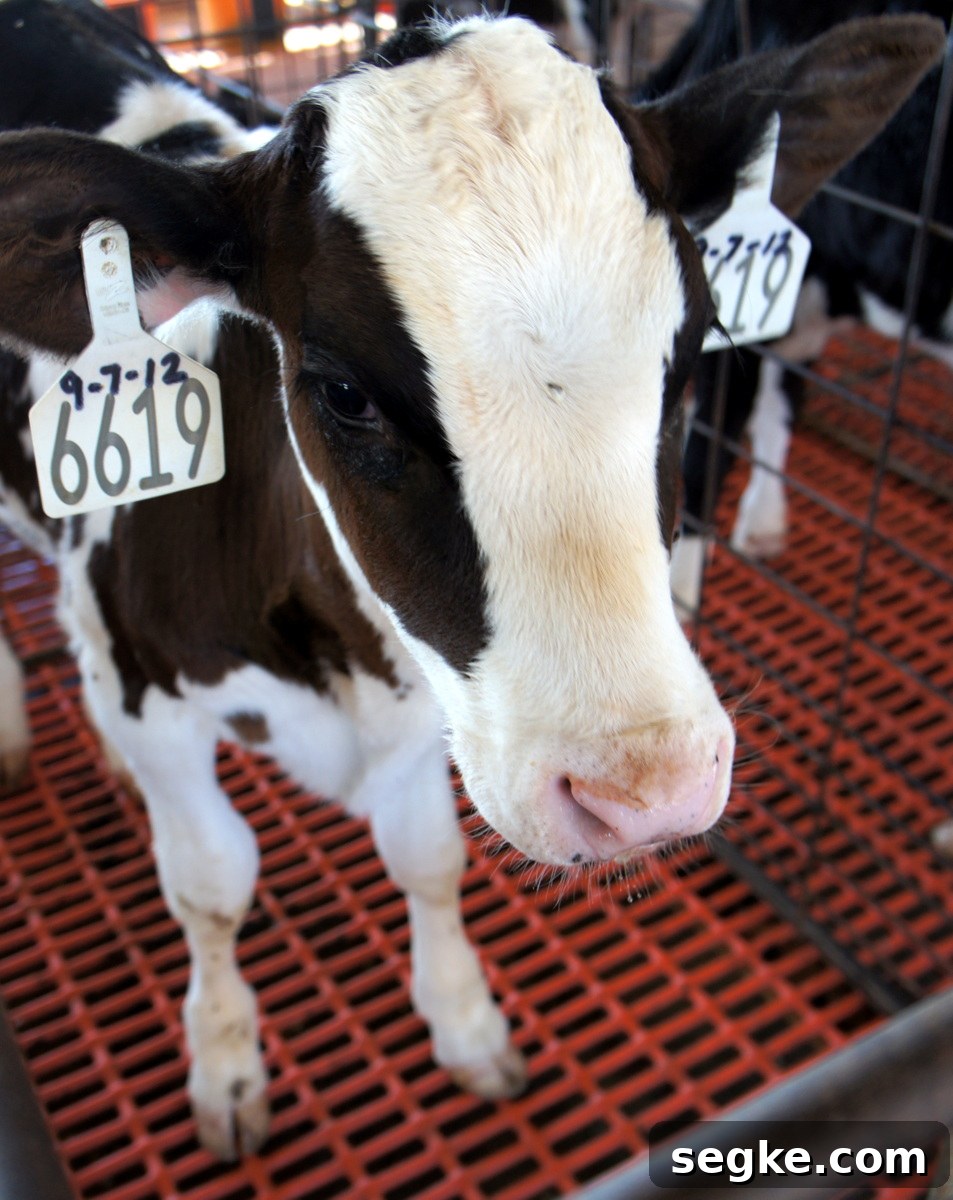
Calves are cared for in a dedicated area after birth. They are bottle-fed multiple times a day, given clean water and feed, and housed in elevated stalls to keep their environment sanitary. Each calf has its own space to ensure it receives the right nutrition and attention during those first weeks.
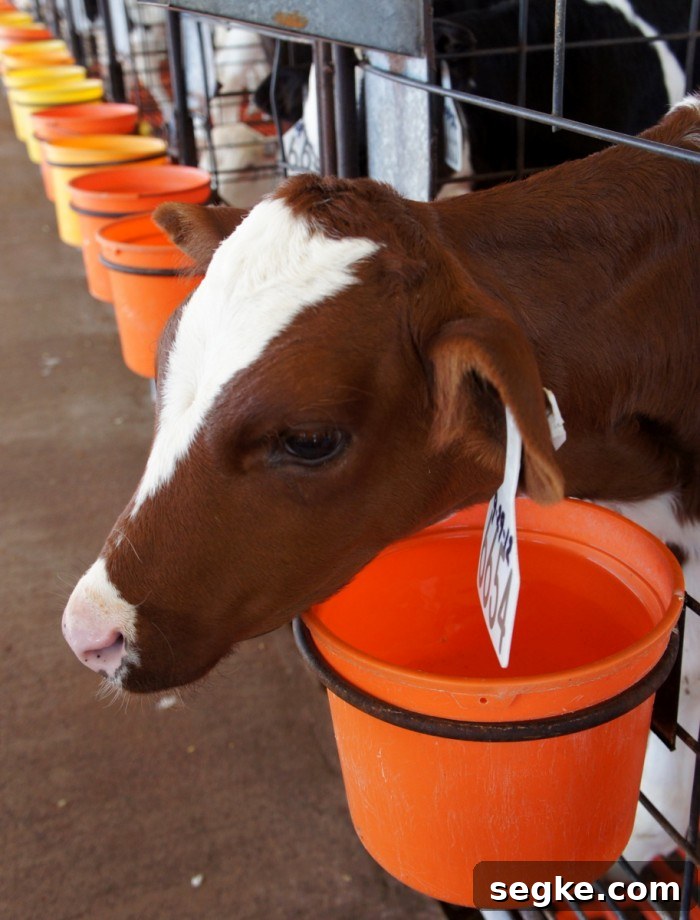
Feeding the herd is a science. Kerr Dairy grows alfalfa fields and works with a nutritionist to balance rations, ensuring cows get the right mix of fiber, protein, vitamins, and minerals. Proper nutrition supports health, reproduction, and consistent milk production.
Running a dairy is a full-time commitment. Wes and his family alternate responsibilities so someone is always present to care for the herd, monitor animal health, and manage daily operations.
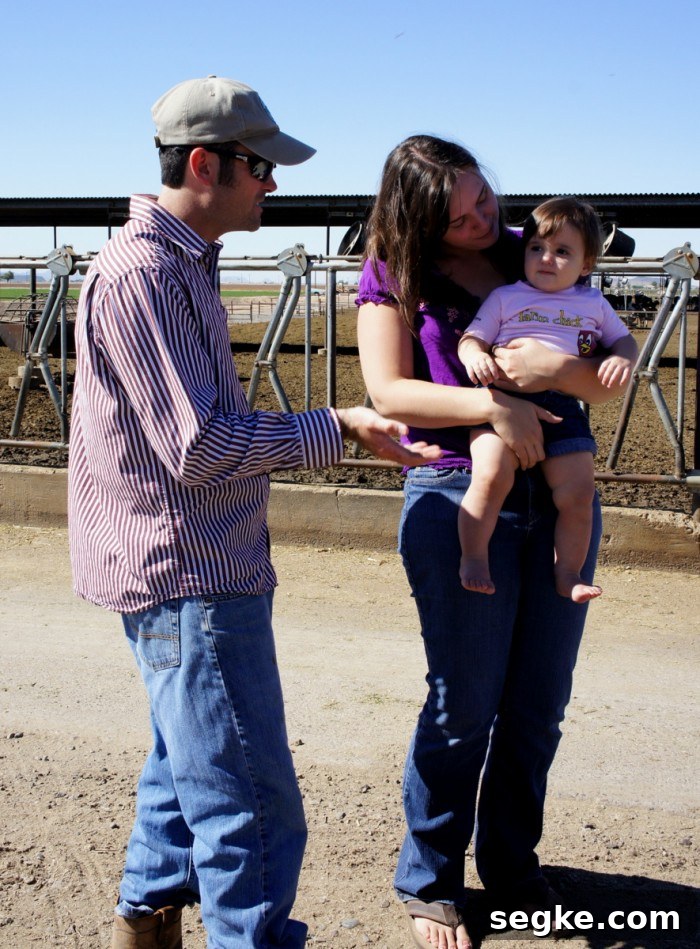
Wes Kerr is a son, husband, father, and fourth-generation dairy farmer. His wife and daughter are part of the farm family, and they hope the next generation may continue the tradition.
If you have questions about dairy practices or the milking process, I’m happy to share what I learned during the tour. Special thanks to the Arizona dairy community for hosting the visit and for showing how modern dairies prioritize animal care, food safety, and milk quality.