
Diet culture harms many of us. The messages we receive about worth, gender roles, and beauty standards — shaped by patriarchy, white supremacy, and other systems — influence how we feel about movement, exercise, and our bodies. Instead of treating exercise as a way to manipulate appearance, consider embracing the broad, lasting benefits of movement.
Key Takeaways
If you want to embrace the full benefits of movement and exercise, consider these steps:
- Unlearn the beliefs diet culture has taught you and stop viewing exercise primarily as a tool for changing your body shape.
- Focus on the many positive outcomes of movement that don’t involve weight loss: mood, strength, resilience, sleep, and community.
- Recognize how you may have been taught to define worthiness by external standards, and deliberately shift toward kinder, more constructive self-talk.
- Be curious about the beliefs that guide your choices; challenge assumptions and explore what you don’t yet know.
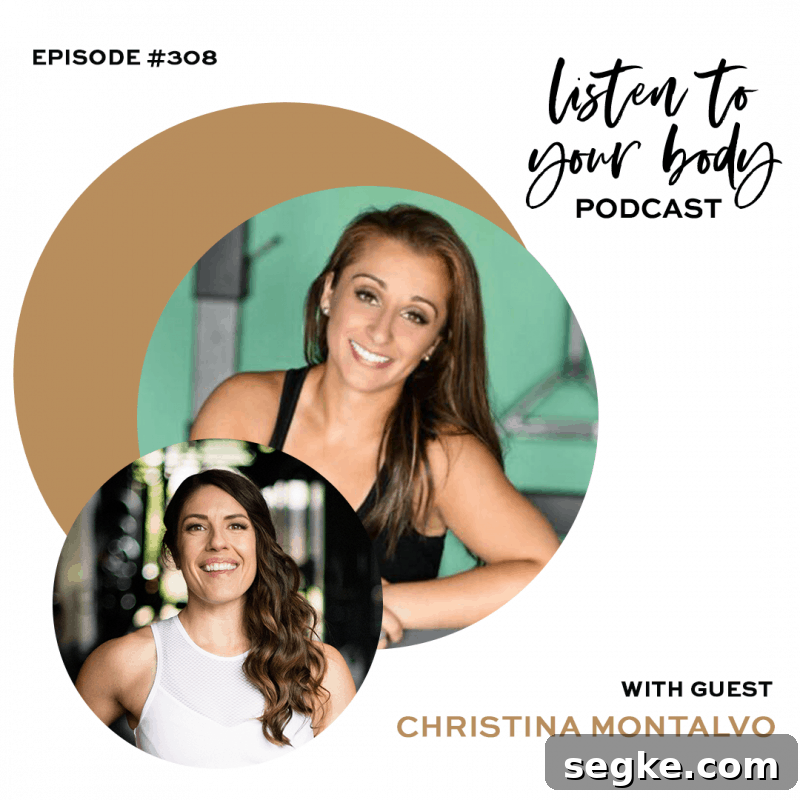
Removing Diet Culture From Movement with Christina Montalvo
Christina Montalvo, a coach and gym owner, created a women’s-only strength and conditioning gym that intentionally avoids promoting fat loss or weight reduction. Her approach asks people to rethink why they move and to prioritize wellbeing over appearance. Christina shares how diet culture affected her and why she now focuses on inclusive, body-respecting fitness.
Embracing the Infinite Benefits of Movement
When people begin movement with the expectation that it will change their weight, they’re more likely to feel disappointed and quit. Removing that pressure opens space to value movement for mental health, stress relief, better sleep, improved mobility, social connection, and the simple pleasure of using your body. Coaches and gym owners often see better client retention when programs emphasize these broader benefits, because clients are less likely to abandon a practice that supports multiple areas of life.
Unlearning What You Have Been Told Is True
Diet culture equates exercise with weight loss so consistently that many people never consider other reasons to move. That conditioning is reinforced by decades of fitness marketing promising dramatic results. Unlearning is a slower process than learning new information; it requires patience, reflection, and sometimes grief for the ways you were shaped by cultural messages. Start by noticing the beliefs you carry about worthiness and asking whether they genuinely serve your wellbeing.
Unpacking these beliefs also means acknowledging privilege. Access to certain foods, time, safe places to exercise, and stable income all shape how movement and nutrition feel in your life. Recognizing those advantages can shift how you relate to advice and expectations you once accepted without question.
How Coaches Can Hold Space Without Perpetuating Harm
Honoring client autonomy is important, but so is careful inquiry. When a client asks for help with intentional weight loss, a coach can explore the deeper reasons behind that request before accepting it as the primary goal. Often weight-focused goals are rooted in fear, shame, or a search for control. A thoughtful coach offers resources, asks probing questions, and helps clients examine what true wellbeing would look like for them — beyond numbers on a scale.
Common Themes Behind Weight-Focused Goals
- A desire for control during times of uncertainty. When life feels unpredictable, controlling food or weight can feel like something that’s within reach.
- Using intentional weight loss as a socially acceptable way to avoid deeper issues. Dieting can pacify or distract from relationship problems, career stress, or trauma.
- Stigma and silence around real struggles. People may find it easier to talk about “feeling fat” than to admit they’re overwhelmed, scared, or grieving.
Benefits of Intentional, Non-Diet Movement
The advantages of regular movement are diverse and personal. For some people exercise eases anxiety, for others it supports better sleep or helps manage chronic pain. From a purely physiological perspective, exercise contributes a relatively small portion of total energy expenditure compared with other factors, which is worth remembering if the primary motive for movement is fat loss. When weight change is not the main measure of success, the full range of movement’s benefits becomes visible and meaningful.
Quotes from the Episode
“I think what’s harder than learning anything new is unlearning everything that we have always thought to be true.”
“The benefits of exercise and intentional movement are absolutely infinite, and they can look different for everyone.”
“Anytime you participate in something from a place of fear or shame, that is inherently unhealthy and a detriment to wellbeing.”
“A human can autonomously choose weight loss, but there is often a deeper reason behind that choice.”
“When we engage in intentional weight loss as our central focus, other areas of life often become muted while body-related concerns dominate.”
In This Episode
- Separating movement for health and wellness from movement aimed at body manipulation (8:12)
- Why linking movement to weight control is problematic (11:10)
- The role of social justice in dismantling patriarchal standards and diet culture (18:24)
- Navigating the space between honoring autonomy and recognizing harmful diet practices (23:38)
- Common signs that someone is searching for deeper change than a surface physical transformation (27:02)
Follow Christina
Follow Christina on Instagram: @Christina_Montalvo
Episode Summary / Edited Transcript
Host Steph Gaudreau opens the episode by introducing Christina and the central idea: diet culture has distorted our relationship with movement. Christina describes running a women-only strength and conditioning gym that intentionally avoids fat-loss messaging. She explains why she’s chosen to close that physical space and how the decision has challenged her identity as a gym owner.
They discuss how fitness marketing historically conflated exercise and weight loss and how that narrative still shapes expectations. Christina explains that when weight loss is the primary promise, clients often leave when results don’t match expectations. Removing that pressure reveals the many other rewards of movement and improves long-term engagement.
The conversation moves into deeper territory: personal transformation, acknowledging privilege, and the social justice implications of diet-focused fitness. Christina shares that her own experience with disordered patterns led her to change course, first for herself and later for her clients. Over time, her work expanded to consider how patriarchy and white supremacy influence beauty standards and why coaches must not unintentionally reinforce those systems.
Steph and Christina also explore practical coaching questions: How do you support client autonomy while also probing the deeper motives behind a desire for weight loss? Christina suggests that a responsible coach asks questions, offers context, and helps clients explore underlying needs so decisions come from clarity rather than shame or fear.
They close by affirming a hopeful aim: helping women reclaim a sense of power, worth, and purpose that isn’t dependent on their appearance. Christina emphasizes that caring for oneself is not selfish but necessary for making a sustainable difference in one’s life and community.
Listen for nuanced, compassionate conversation about shifting from diet-focused fitness to movement that supports whole-person wellbeing.