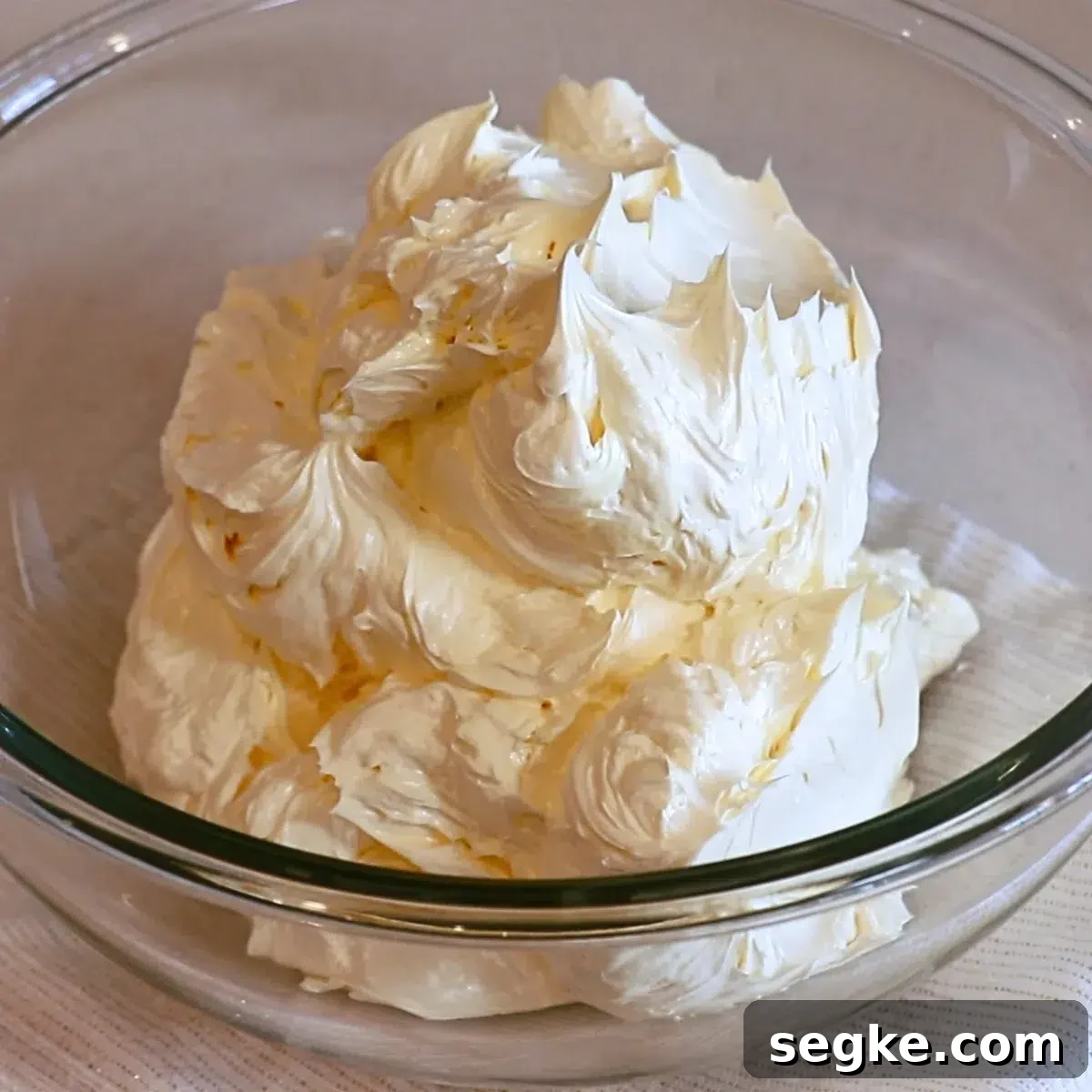
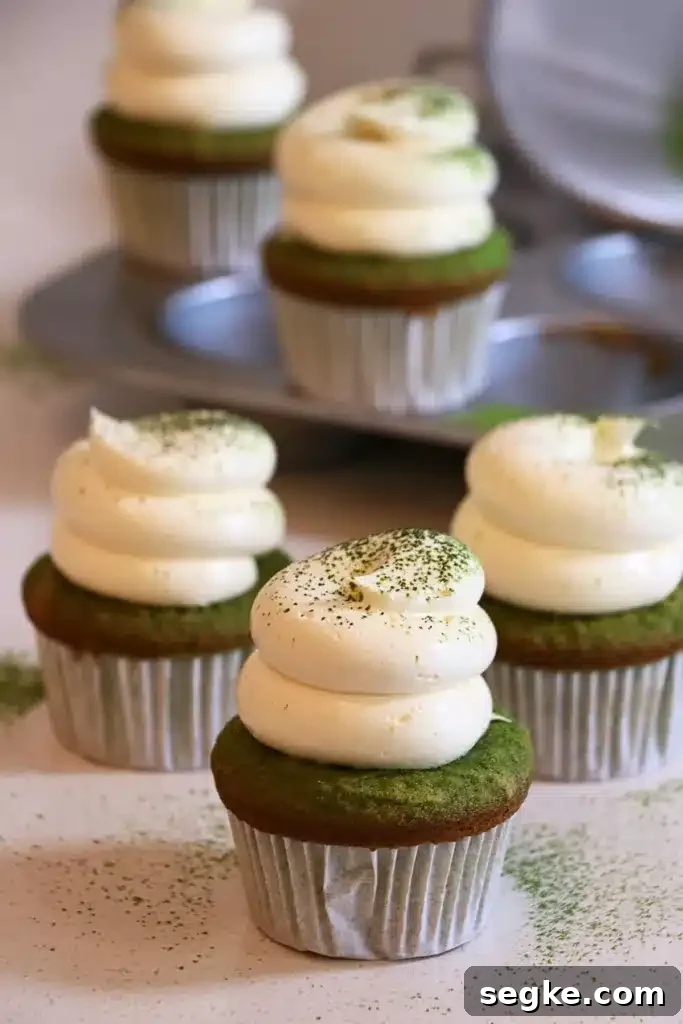
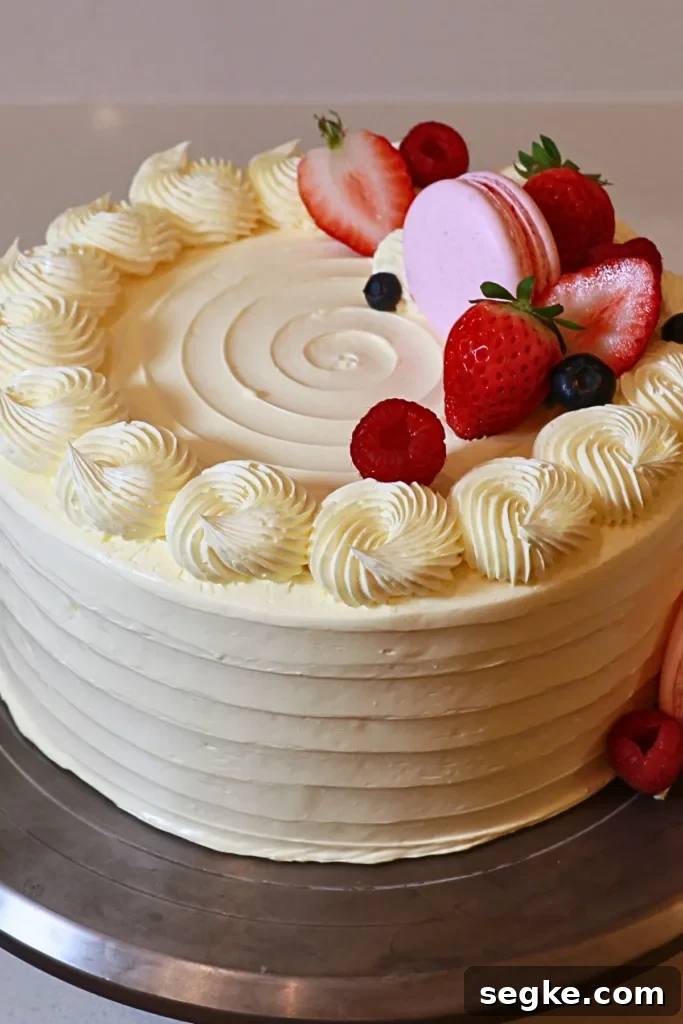
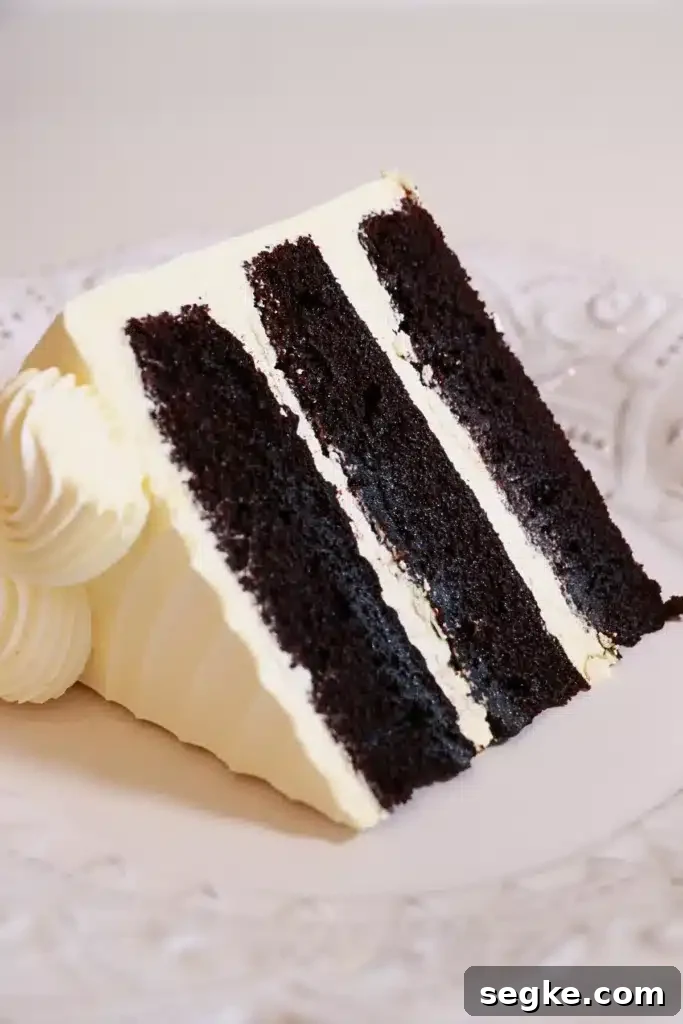
I’m guiding you through how to make perfect French buttercream at home with step-by-step instructions and troubleshooting tips. Use this rich and silky-smooth buttercream frosting to finish any dessert you like.
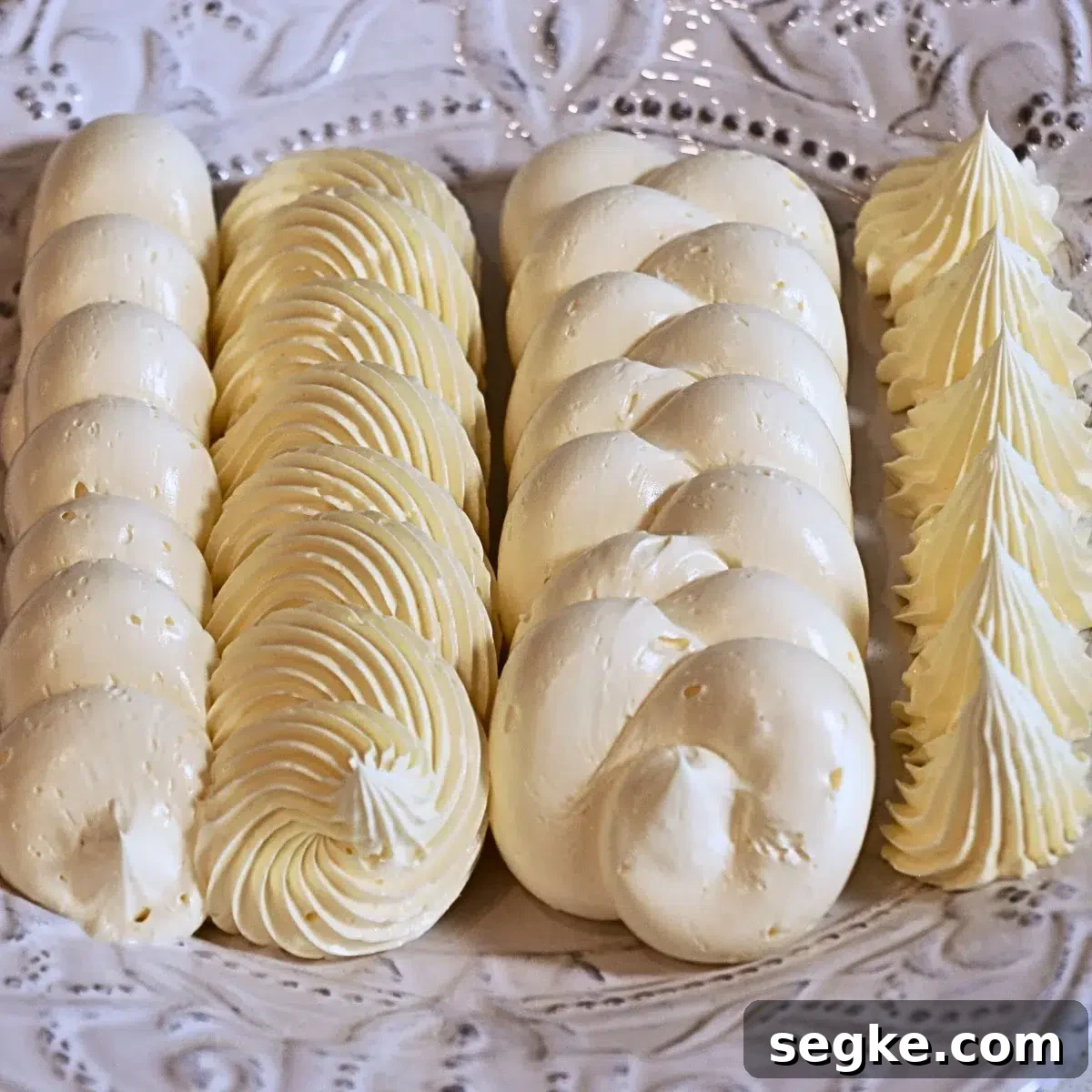
What Is French Buttercream?
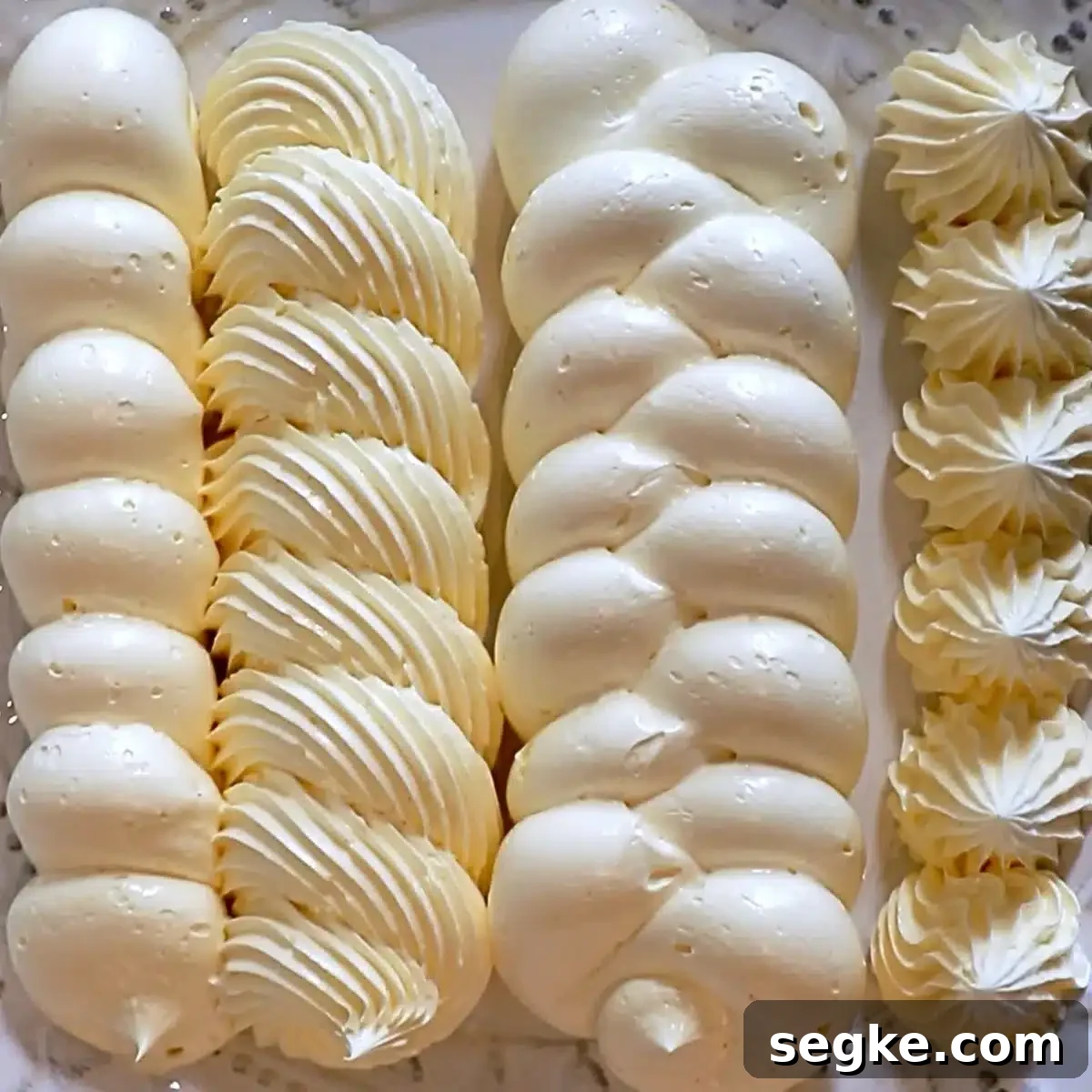
French buttercream, also called pâte à bombe buttercream, is made by combining whipped butter with a pâte à bombe—fluffy egg yolks that have been whipped while hot sugar syrup is slowly added. This buttercream is prized for its rich, silky texture and is an elegant choice for cakes, cupcakes, macarons, and layered desserts.
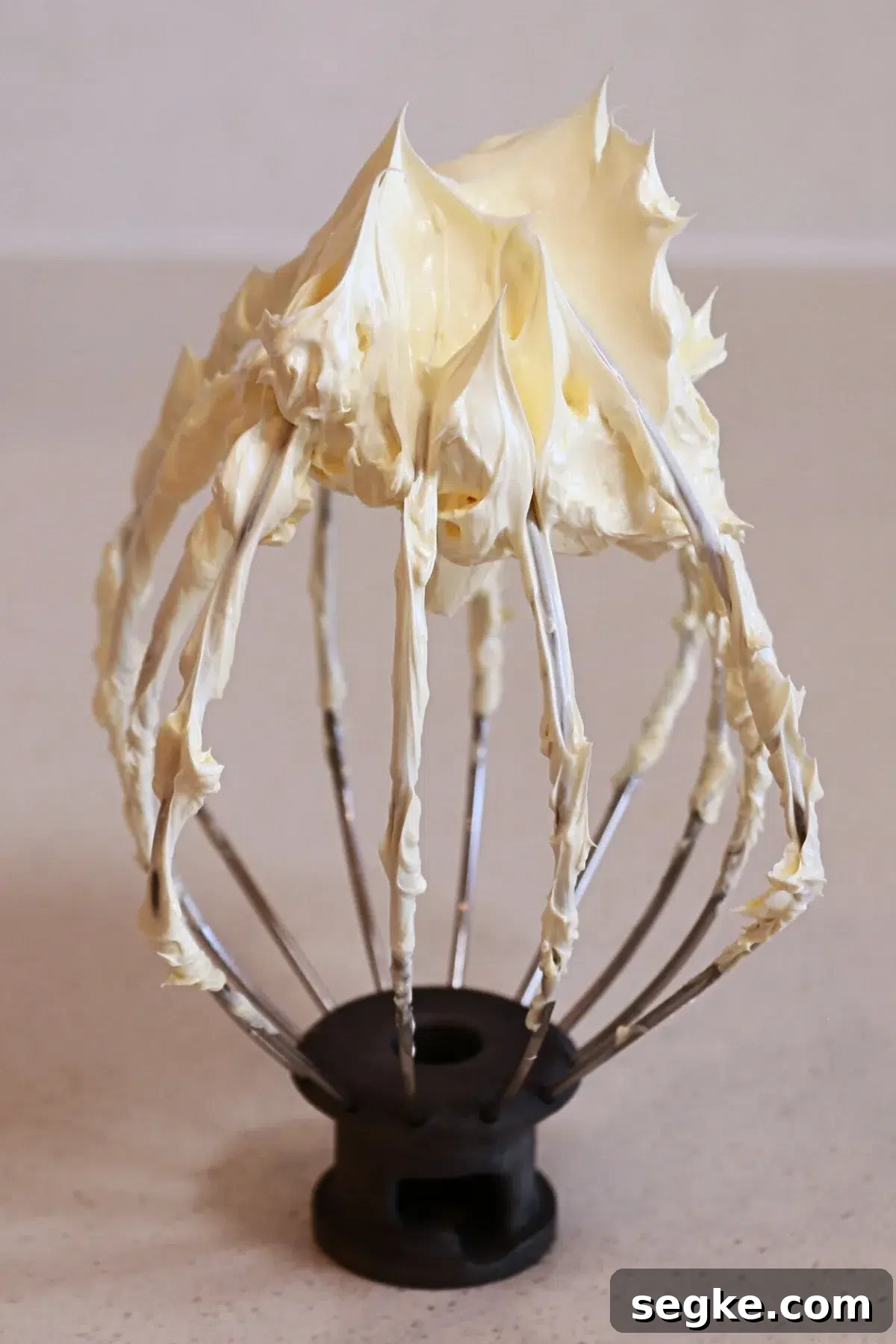
Pros of French buttercream
- Exceptional richness and a custard-like depth of flavor with a smooth, melt-in-your-mouth texture.
- A great way to use extra egg yolks when you’re making other desserts like macarons.
- Not overly sweet compared to some American-style frostings—clean, balanced sweetness.
- Silky, glossy finish thanks to the pâte à bombe base.
Cons of French buttercream
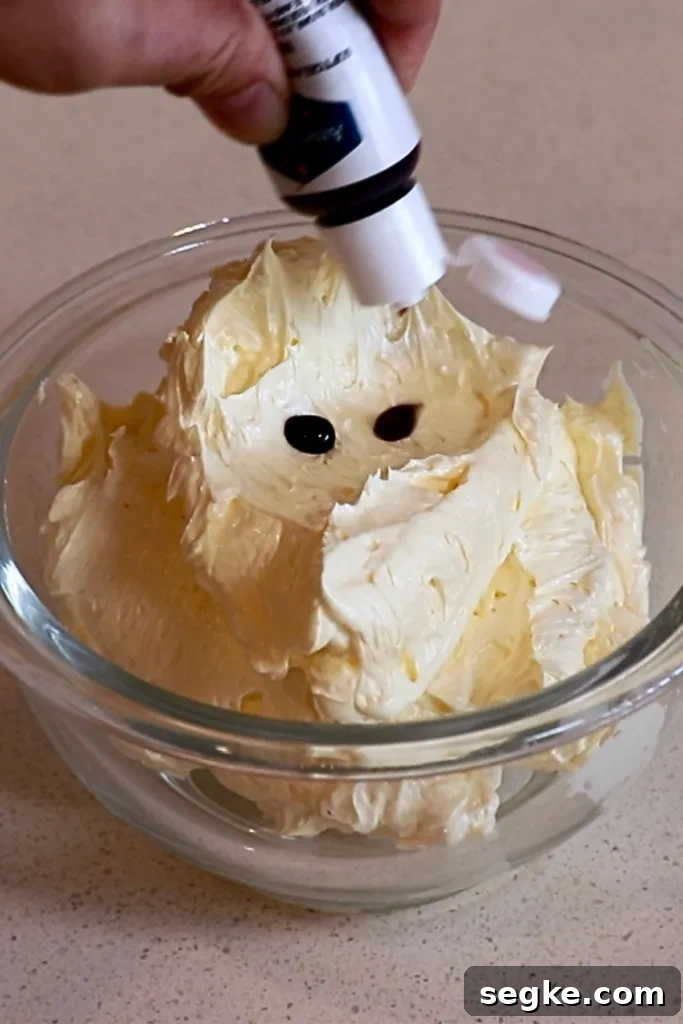
- Natural color tends to be slightly yellow because of the egg yolks. If you need a pure white finish, options include whipping longer, adding a touch of purple gel coloring, or choosing a different buttercream style.
- This buttercream can be fairly soft compared to very firm recipes; for extremely detailed piping, a Swiss or Italian meringue buttercream may be preferable.
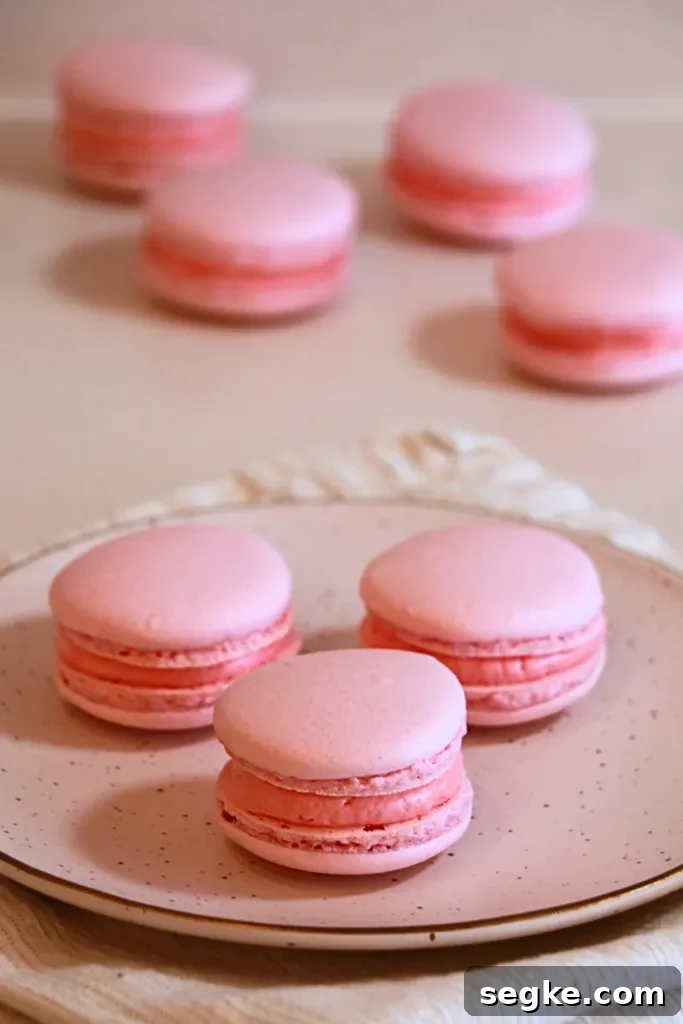
How is French buttercream different from other types of buttercream?
Here is a simple overview of several common buttercream types and their main components:
- Swiss meringue buttercream: Swiss meringue (egg whites + hot sugar) + butter
- Italian meringue buttercream: Italian meringue (hot sugar syrup + whipped egg whites) + butter
- American buttercream: Confectioners’ sugar + butter
- German buttercream: Pastry cream + butter
- Russian buttercream: Sweetened condensed milk + butter
- English buttercream: Crème anglaise (egg custard) + butter
French buttercream’s defining step is the pâte à bombe: whipped egg yolks made by adding hot sugar syrup to the yolks as you beat them. That gives the frosting its custard-like richness and silky texture.
VIDEO: Watch How To Make the French Buttercream
A step-by-step video demonstration is included with this recipe to illustrate the critical movements—how to stream the hot syrup into the yolks, how the pâte à bombe should look, and how to incorporate butter for a glossy final result. Watching the process makes mastering the technique much easier.
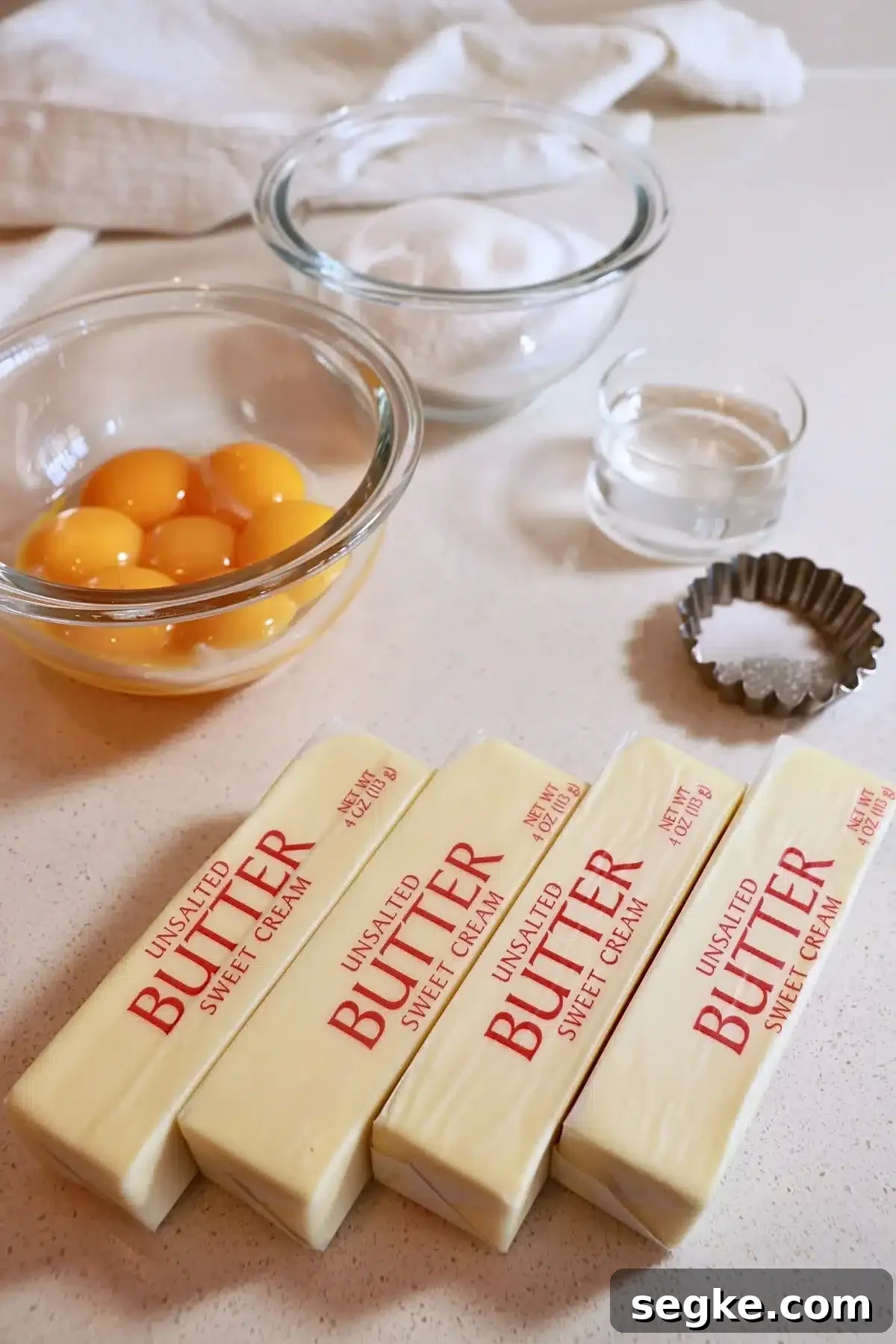
Ingredients To Make French Buttercream
The basic ingredients are egg yolks, water, sugar, and butter. Optional salt balances the flavor.
- Egg yolks: Use pasteurized yolks if available for food-safety comfort. Save egg whites for other recipes like meringues or macarons.
- Water: Used to make the hot sugar syrup.
- Granulated sugar: Regular white sugar or caster sugar works well.
- Unsalted butter: Leave at room temperature until soft but not melted.
- Salt: Optional, a pinch to taste.
Tools For French Buttercream
- Stand mixer with a whisk attachment (or a powerful hand mixer) to beat egg yolks at high speed.
- Small saucepan: A smaller pan helps control evaporation when making syrup.
- Pastry brush: To wash down any sugar on the pot sides and avoid crystallization.
- Candy or digital thermometer: For accurate syrup temperature.
- Silicone spatula: For folding and scraping the bowl.
Step-By-Step Instructions To Make French Buttercream
Make pâte à bombe
- Add the egg yolks to the mixer bowl and whip at high speed until they are very fluffy and pale.
- In a small saucepan combine water and sugar, ensuring all the sugar is wetted to prevent crystallization. Use a pastry brush and a little water to wash down any sugar adhering to the pot sides.
- Heat the syrup over medium heat without stirring vigorously. Toward the end, reduce heat and watch the thermometer closely—aim for 244°F (118°C). The temperature rises quickly near the finish, so slow down and swirl the pot to equalize the heat.
- As soon as the syrup reaches 244°F (118°C), remove it from heat and, with the mixer running at high speed, slowly pour the syrup down the side of the bowl into the yolks. Continue to add gradually and finish by flipping the saucepan to pour any remaining syrup in.
- Keep whipping at high speed while the bowl is still warm. Let the mixture cool to gentle warmth, then reduce speed to medium-low. Stop whipping when it reaches room temperature—the pâte à bombe should be glossy and smooth.
Tips
- Use clean tools and a clean pot—any residue can trigger sugar crystallization.
- Some bakers target 240°F for pâte à bombe; 244°F (118°C) yields a slightly thicker base and a firmer final buttercream—use the temperature that best suits your desired consistency.
- Adding the hot syrup immediately at the correct temperature is essential; it thickens as it cools, so timing matters.
- Pour the syrup slowly down the side of the bowl while yolks are whipping at high speed to incorporate it evenly without splattering.
Add butter and whip
- Add softened butter (and salt if using) to the cooled pâte à bombe and whip until smooth. Whip for several minutes—about 5–10 minutes at medium speed—to achieve a light, airy texture.
- Scrape the bowl frequently to incorporate any butter clinging to the sides or bottom, then continue whipping until fully combined and fluffy.
More tips
- Always use butter that is soft at room temperature—too firm or partially melted butter will negatively affect texture.
- Make sure the pâte à bombe has cooled adequately before adding butter; if the base is warm, the butter can melt and make the frosting loose.
How To Flavor French Buttercream
French buttercream adapts beautifully to many flavors. Add them after the butter is incorporated and the texture is stable.
- Vanilla: Extract or scraped vanilla beans for a classic finish.
- Chocolate: Melted chocolate or sifted cocoa powder for a chocolate buttercream.
- Citrus: Lemon curd folded in for zesty lemon buttercream.
- Caramel: Fold in cooled caramel sauce and finish with a sprinkle of sea salt if desired.
- Fruit: Swirl in jam or fruit purée for tart, fruity notes.
- Coffee: Instant espresso or espresso powder for a coffee-flavored frosting.
How To Color French Buttercream
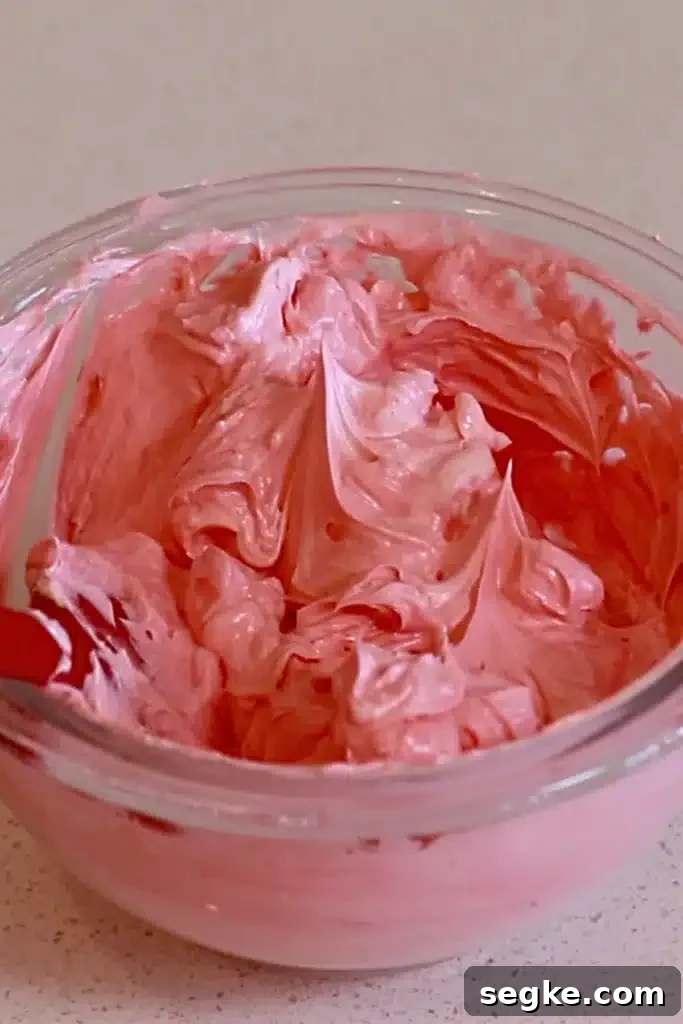
Use gel or paste food coloring rather than liquid colorings to avoid loosening the buttercream and to achieve more vivid colors.
How To Store French Buttercream
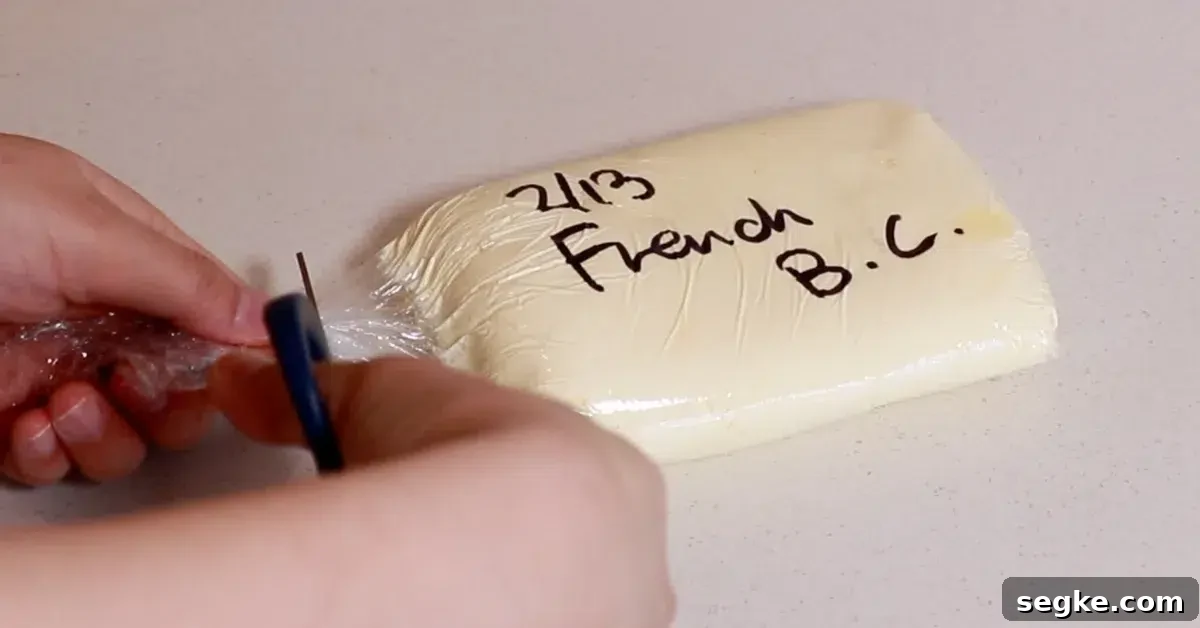
Store buttercream in an airtight container. For convenient piping later, you can pipe into a bag, freeze flat, then thaw and trim the edge to start piping.
Refrigerate for up to one week, or freeze for several months.
Allow chilled buttercream to come to room temperature for a few hours before use because it firms up when cold.
FAQ
If you chill and thaw the buttercream properly, you usually won’t need to re-whip it. Bring it to room temperature and fold gently if needed to restore a smooth consistency.
One batch is typically enough to frost a simple 8-inch round cake with standard coverage and basic decoration.
If it will be left out for more than a few hours, refrigerate it to keep it fresh. For serving, bring it back to room temperature before use.
No — French buttercream is among the less sweet buttercreams because its richness comes from egg yolks and butter rather than only sugar.
More Buttercream Frosting Recipes
If you enjoy this style of frosting, try other meringue-based or custard-based buttercreams for different textures and sweetness levels, such as Italian meringue, Swiss meringue, or a cream-cheese–based frosting for tangy balance.
Did you try the recipe?
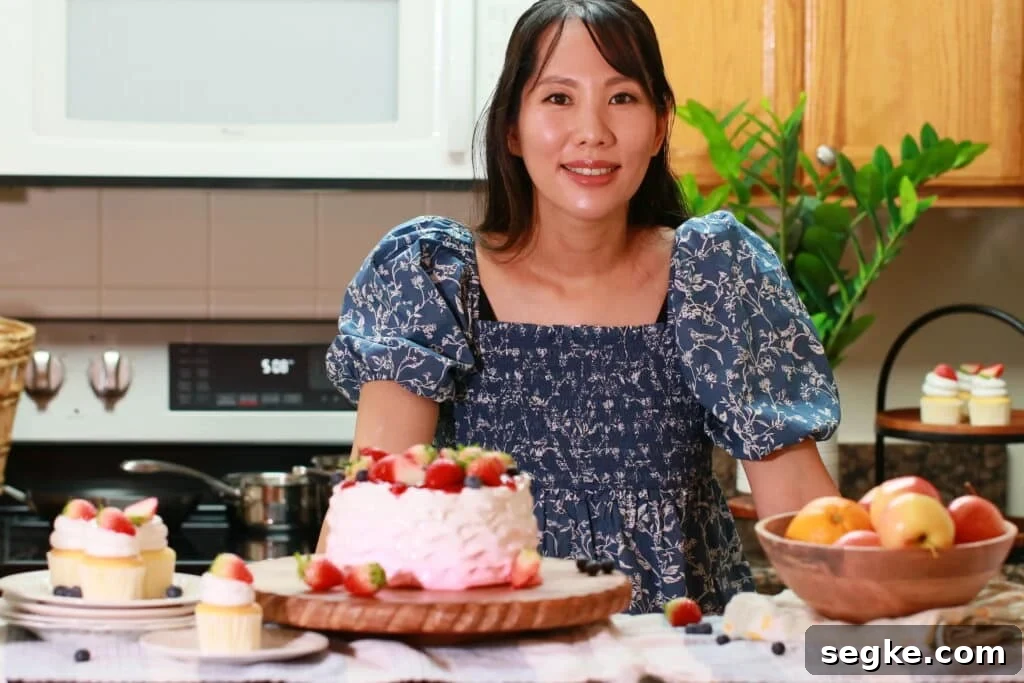
Share your feedback in the comment section below. I love hearing how this buttercream turned out for your celebrations.
Thank you! – Aya
Perfect French Buttercream
Save Recipe
20
3
23
1 simple 8-inch cake
Equipment
Method
Nutrition
Notes
Video
Ingredients
- 120 g Egg yolks (about 7 large yolks)
- 80 g (⅓ cup) Water
- 200 g (1 cup) Granulated sugar
- 450 g (2 cups) Unsalted butter, softened
- ⅛ teaspoon Salt (optional)
NOTE: For best results, measure ingredients with a scale. Recipes are designed with weighed ingredients; cup measurements are provided for convenience.
Equipment
- Stand mixer with a whisk attachment or a strong hand mixer
- Small saucepan
- Pastry brush
- Digital thermometer
- Silicone spatula
Method
- Add 120 g egg yolks to the mixer bowl and whip on very high speed until pale and fluffy.
- Combine 80 g water and 200 g sugar in a small saucepan. Ensure all sugar is wetted and wash down pot sides with a brush to prevent crystallization.
- Heat syrup over medium until it nears 244ºF (118ºC), reducing heat toward the end so you can accurately watch the temperature.
- Remove syrup at 244ºF (118ºC) and immediately, with the mixer running at high speed, slowly stream the syrup down the side of the bowl into the whipping yolks. Finish by inverting the saucepan to add any remaining syrup.
- Continue whipping while the bowl is warm. Reduce speed to medium-low as it cools, and stop when the pâte à bombe is room temperature, glossy, and smooth.
- Add 450 g softened unsalted butter and ⅛ teaspoon salt (optional) to the cooled pâte à bombe. Whip at medium speed for 5–10 minutes until light and airy.
- Scrape the sides and bottom of the bowl to incorporate any stray butter, then whip to uniform texture.
Notes
How to store it:
Place in an airtight container or pipe into a bag and freeze flat for later use. Refrigerate up to a week or freeze for a few months. Allow to come to room temperature for several hours before using; chilled buttercream firms up and needs time to soften.
Nutrition
Carbohydrates: 202 g
Fat: 396 g
Tried this recipe?
Let us know how it was in the comments!