
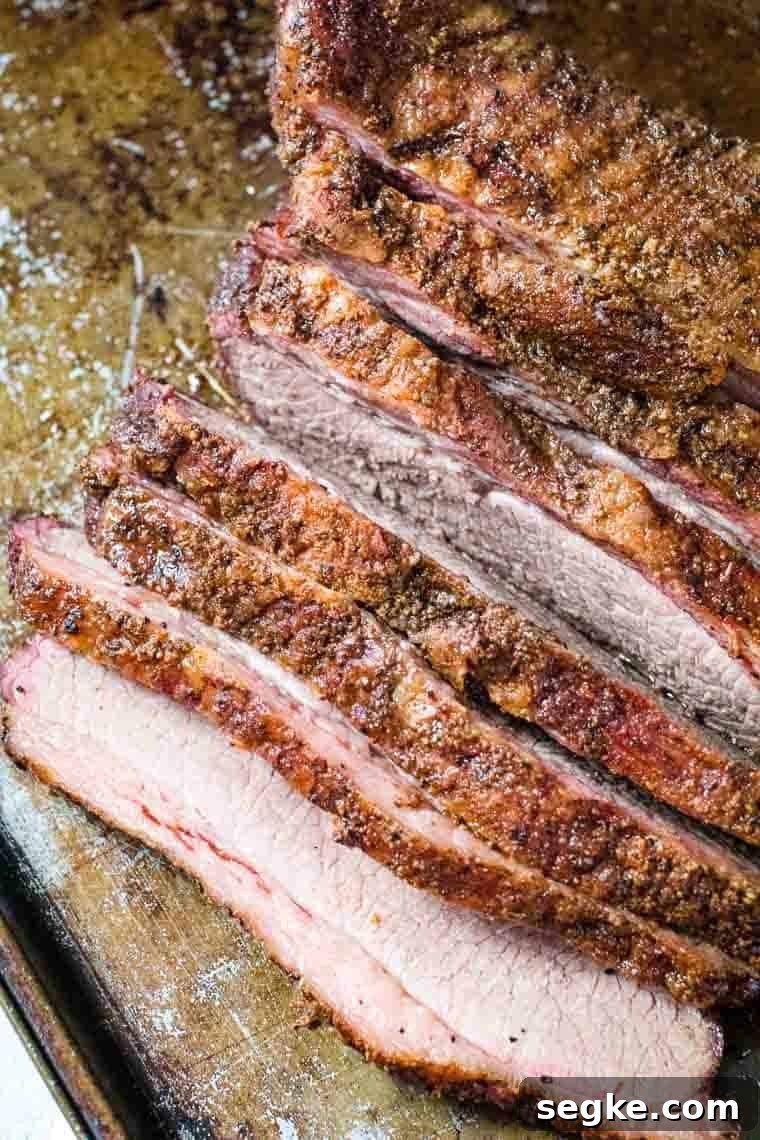
Smoking a beef brisket takes patience, but the reward is worth it: a deep smoky flavor, a crunchy bark and a juicy, tender interior. Fire up your Traeger or other electric smoker, apply a generous brisket rub, and you’ll have a crowd-pleasing smoked brisket that keeps people coming back for more.
Smoked Brisket
Brisket is taken from the cow’s front lower breast, near the front leg. Because this muscle gets a lot of use, it starts out relatively tough and benefits from a long, low-temperature cook to break down connective tissue and render fat. Mastering brisket is one of the most satisfying achievements for anyone who enjoys smoking meat.
Start with quality beef and a bold seasoning. A good dry rub is essential — a brisket-specific rub provides a balance of salt, pepper and other complementary spices that form a flavorful crust. If you have time, apply the rub a day or two before smoking so the flavors penetrate the meat.
Tips to Smoke a Traeger Brisket!
- Buy high-quality brisket with good marbling.
- Choose a large whole packer brisket if you can — roughly 13–15 pounds is a common size for feeding a crowd.
- Trim excess fat and any silver skin that won’t render during the cook, but leave a modest fat cap to protect the meat.
- Season generously with your brisket rub and let it rest while the smoker comes to temperature.
- When the brisket is done, allow it to rest before slicing to preserve juices and texture.
Why do you wrap brisket when smoking?
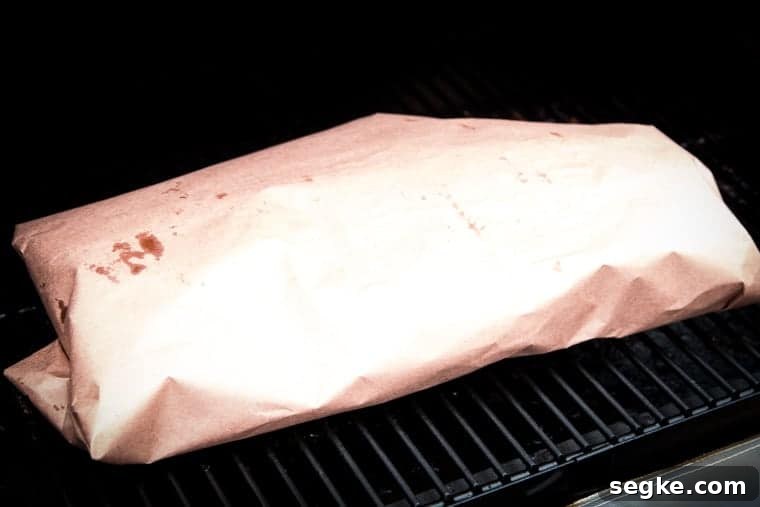
Wrapping the brisket (often in butcher paper) once it reaches a stall helps seal in moisture and moves the cook along by minimizing evaporative cooling. Butcher paper breathes a bit more than foil, so it protects the meat while still allowing some bark formation.
Smoked Brisket Recipe
We tested and adjusted our rub and technique until the results were consistently tender and flavorful. The method below is straightforward but requires time and attention to internal temperature. Follow the steps, be patient, and you’ll be rewarded with a stellar brisket.
What do you put on brisket before smoking?
Apply a dry rub. For best flavor, rub the brisket thoroughly and, if possible, season it a day or two in advance so the meat absorbs the seasoning.
How do you rub a brisket?
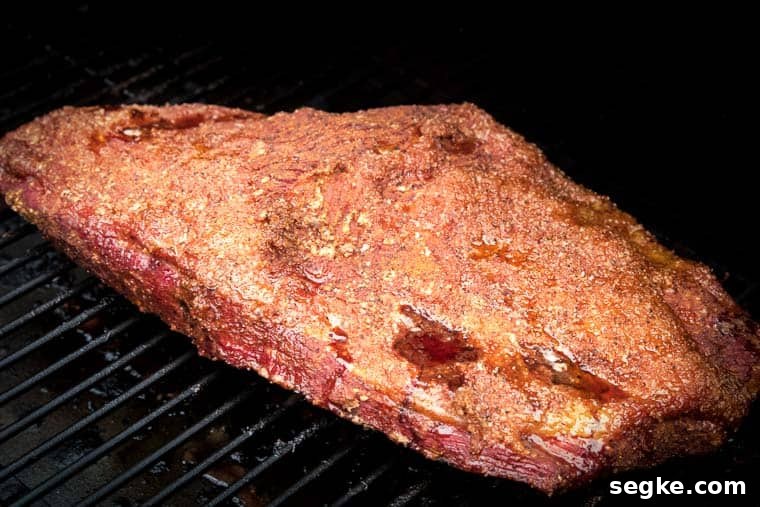
Don’t be timid — coat the entire surface and massage the rub into the meat, including the edges. A thorough application helps form a deep, flavorful bark during the smoke.
Grocery list for Smoked Brisket Recipe
- Brisket rub (your preferred blend)
- 1 whole brisket (13–15 lb recommended)
- Butcher paper for wrapping
Traeger Brisket
Using a Traeger or other electric smoker makes maintaining a steady low temperature easier, which is important for breaking down the brisket’s connective tissue without drying it out. The goal is tender, juicy meat with a pronounced smoke flavor and a well-developed bark.
Do you smoke a brisket fat side up or down?
Keep a thin layer of fat to help protect the meat during the long cook. Depending on your smoker’s heat source and placement, some pitmasters prefer fat side down to shield the meat from direct heat, while others smoke fat side up so rendered fat can baste the meat. Either approach can work; the key is to preserve moisture and protect the meat from excessive heat.
How long do you smoke a brisket?
Expect a long cook: a general guideline is about 50–60 minutes per pound at 225°F, though actual times vary by brisket size, trim, ambient conditions and how often you open the smoker. Many cooks follow the internal temperature rather than just time to determine doneness.
Smoked Beef Brisket
Smoking brisket is a rite of passage for many who own a smoker. It takes practice, but once you dial in your technique you’ll have a recipe that impresses friends and family. The method below reflects a reliable approach: low and slow smoking, wrapping to finish, and a proper rest before slicing.
Do you turn brisket over when smoking it?
It’s a good idea to rotate or flip the brisket at least once during the cook to promote even cooking, especially if your smoker has hot spots or uneven heat distribution.
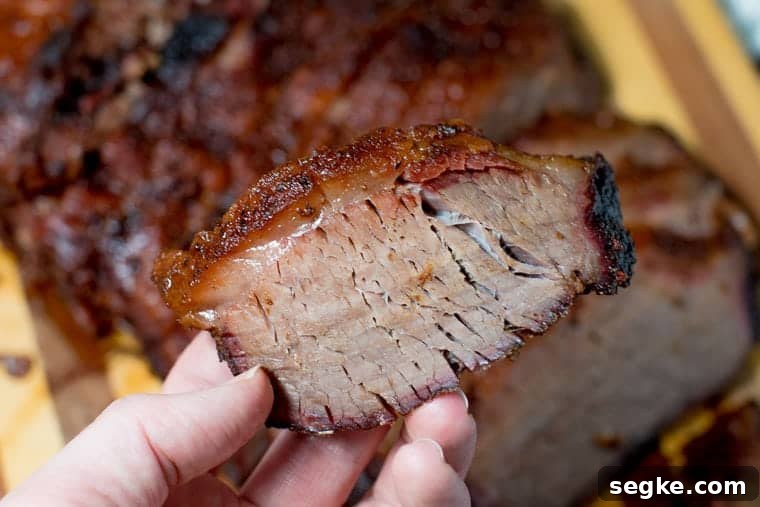
How do you make smoked brisket?
- Remove the brisket from the refrigerator and let it come to room temperature while you trim and prep.
- Trim away any silver skin and excess fat that won’t render; square the edges of the flat for even cooking.
- Apply a generous layer of brisket rub and massage it into all surfaces, including edges.
- Preheat your smoker to 225°F following the manufacturer’s instructions.
- Place the brisket fat-side orientation according to your preference and smoke until the internal temperature reaches about 155°F (this often takes 4–5 hours depending on size).
- Remove the brisket and wrap it tightly in butcher paper. Return it to the smoker and continue cooking until the internal temperature reaches about 202°F in the thickest part.
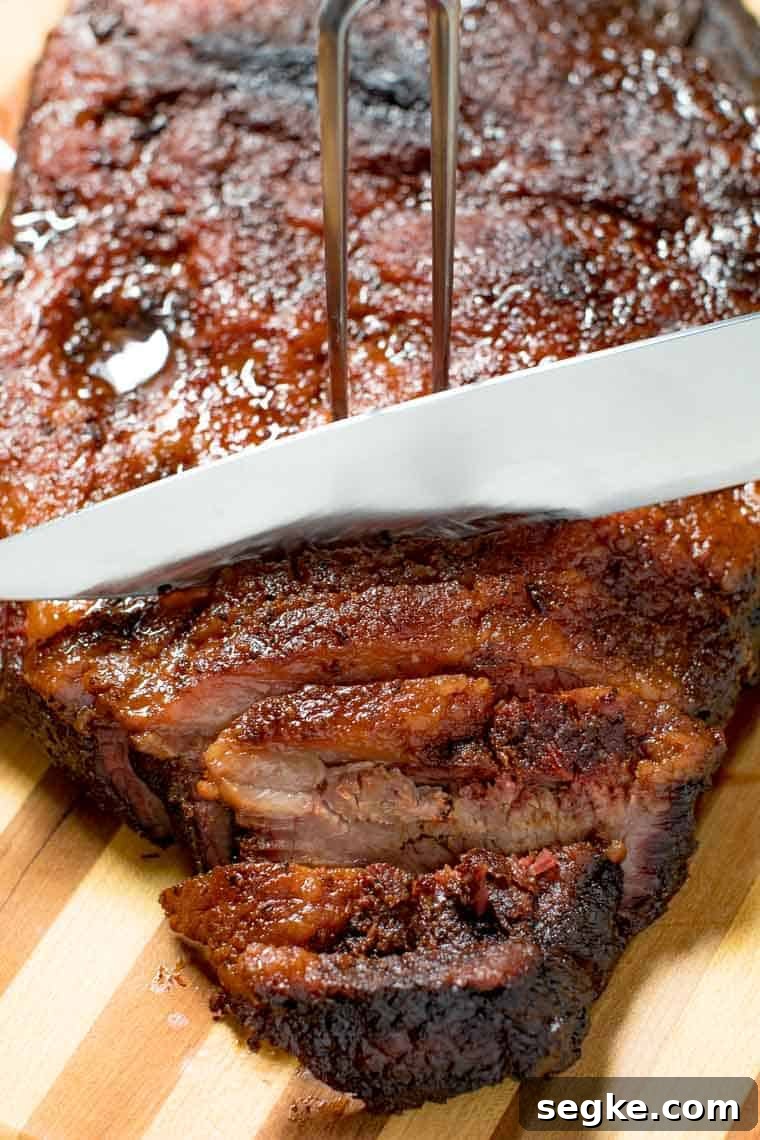
- Remove the wrapped brisket and let it rest for at least 1 hour before slicing. Slice against the grain and serve immediately.
Potatoes are great to serve with smoked brisket — ideas:
- Smoked baked potatoes
- Cheesy potatoes on the grill with bacon
- Seasoned grilled sweet potato wedges
- Seasoned potatoes cooked on the smoker
Enjoy this smoked brisket at your next cookout and adjust the rub, timing and resting to suit your taste. With a few cooks under your belt you’ll find the exact balance of bark, smoke and tenderness that you prefer.
Recipe — Smoked Brisket (Summary)
Ingredients
- Brisket rub — enough to coat the surface
- 1 whole brisket (about 13–15 lb)
- Butcher paper for wrapping
Instructions
- Trim and square the brisket. Remove excess fat and silver skin.
- Apply rub generously over the entire brisket and let it rest while the smoker heats to 225°F.
- Smoke the brisket until the internal temperature is about 155°F (roughly 4–5 hours, variable).
- Wrap the brisket in butcher paper and return to the smoker until the internal temperature reaches about 202°F (additional 4–5 hours, variable).
- Remove from the smoker and let rest for 1 hour, then slice against the grain and serve.
Nutrition Information (per serving, approximate)
Calories: 914 kcal; Protein: 122 g; Fat: 43 g; Saturated Fat: 15 g; Cholesterol: 365 mg; Sodium: 465 mg. These figures are approximate and may vary based on specific ingredients and portion sizes.
© Gimme Some Grilling ®
We are not dietitians. If you need precise nutritional information, run the ingredients through your preferred nutrition calculator or consult a nutritionist.