
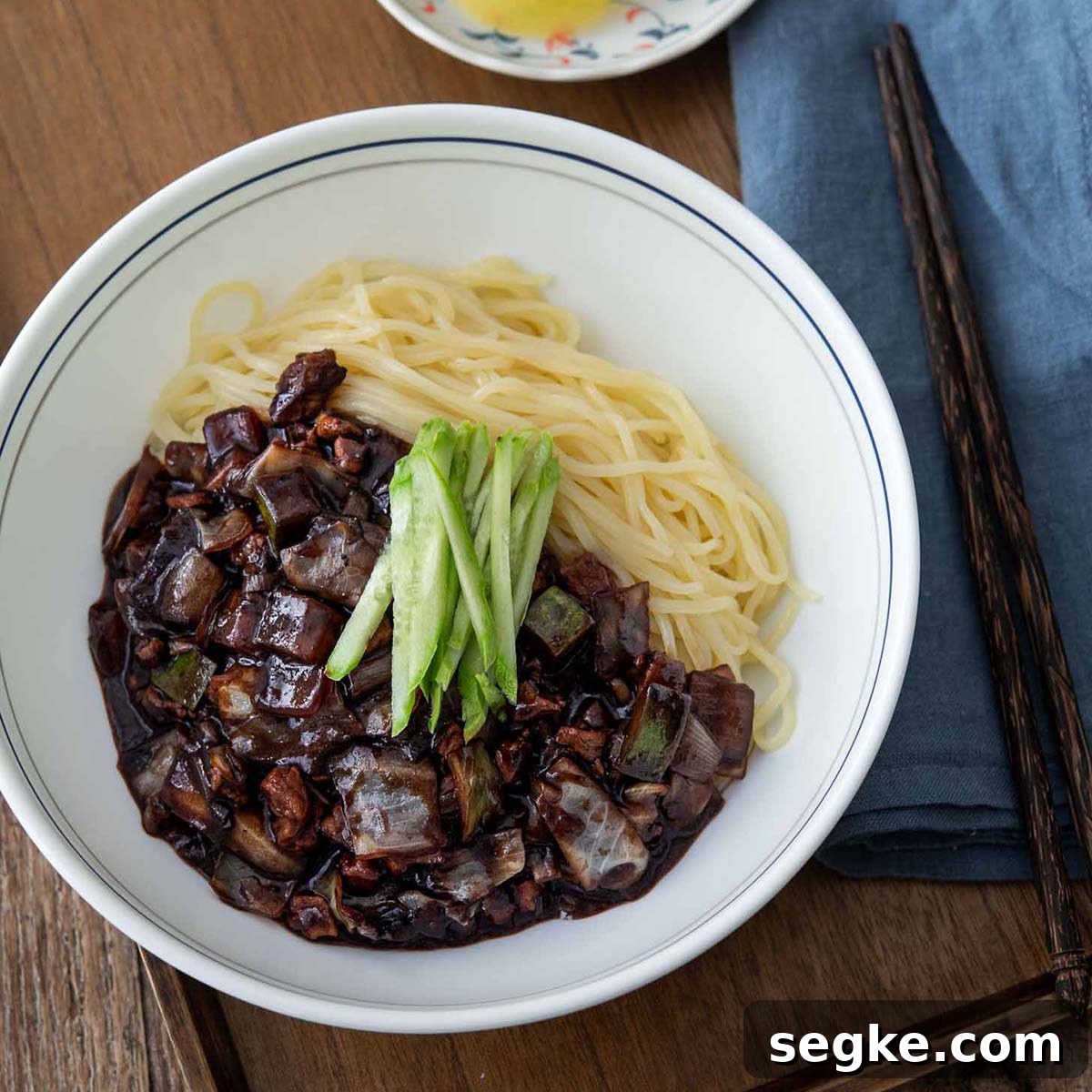
Jjajangmyeon, or Korean black bean noodles, features thick, chewy wheat noodles coated in a glossy, savory chunjang sauce made with pork and vegetables. This stovetop recipe is simple and comes together in roughly 40 minutes, delivering the deep, comforting flavor you expect from a classic bowl of jajangmyeon.
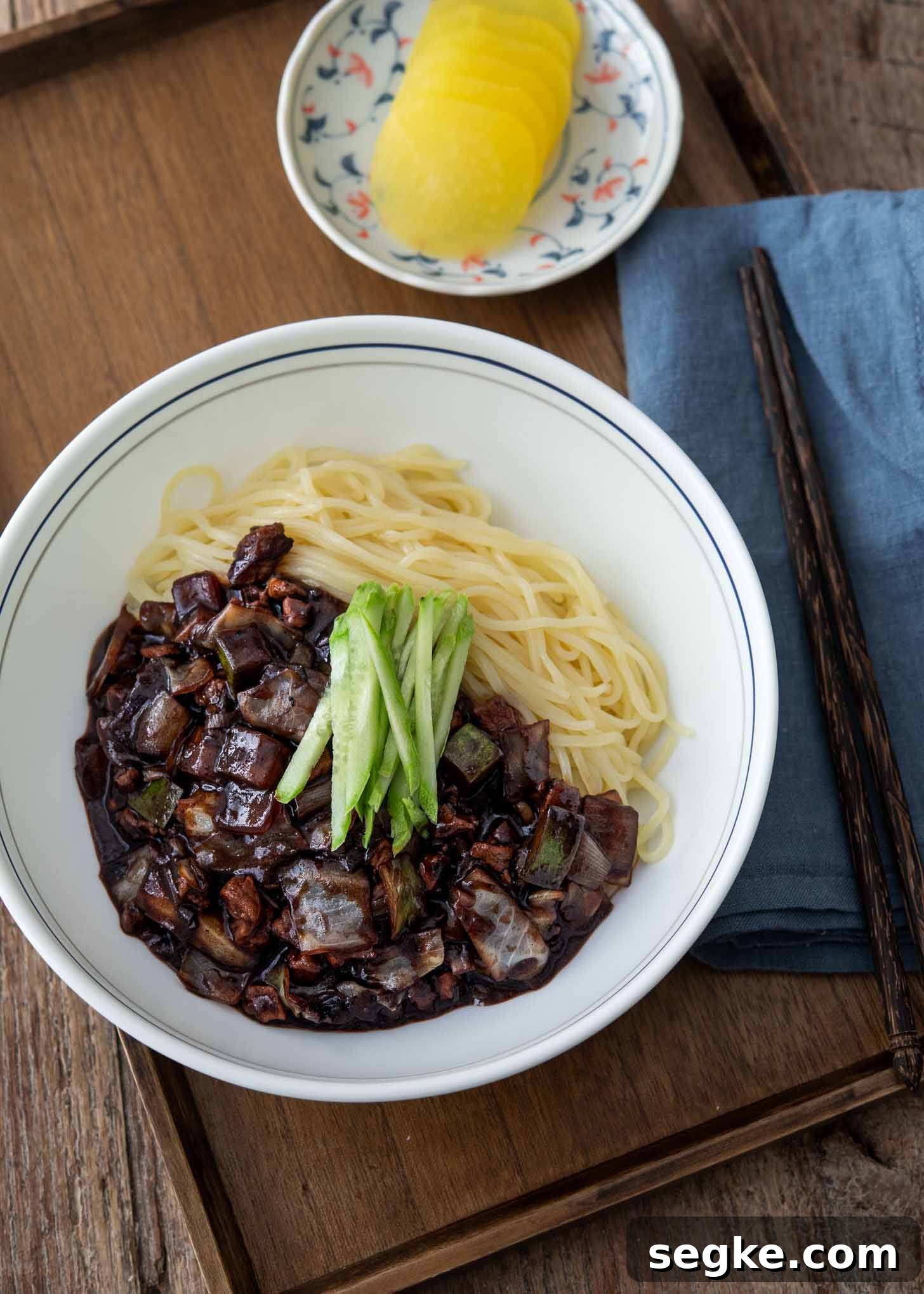
Jajangmyeon is one of those nostalgic comfort foods I crave. Growing up, my parents treated me to black bean noodles at our neighborhood Korean‑Chinese restaurant as a reward for small school victories. The dish’s chewy noodles and rich black sauce are deeply satisfying—the kind of comfort food that stays with you.
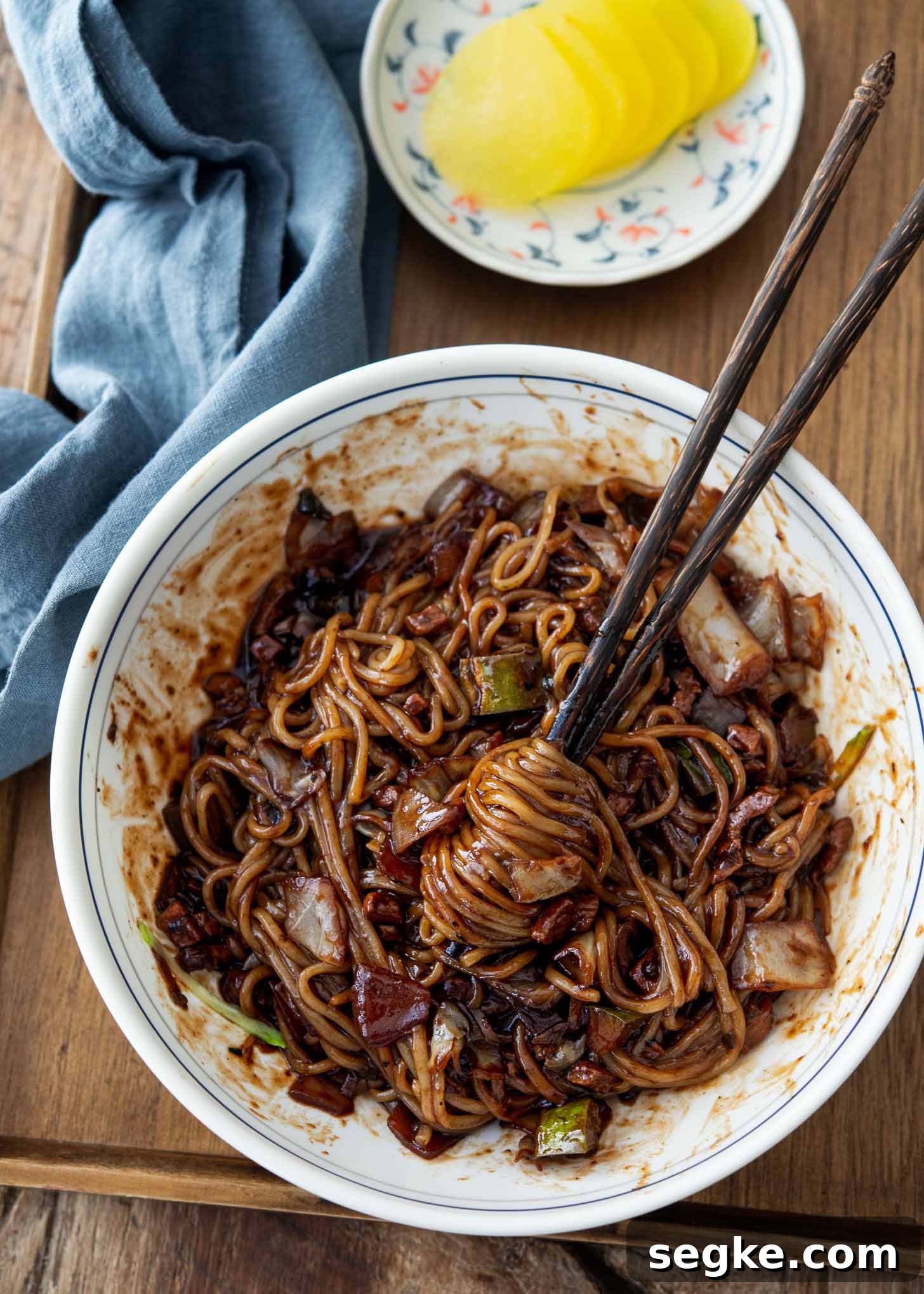
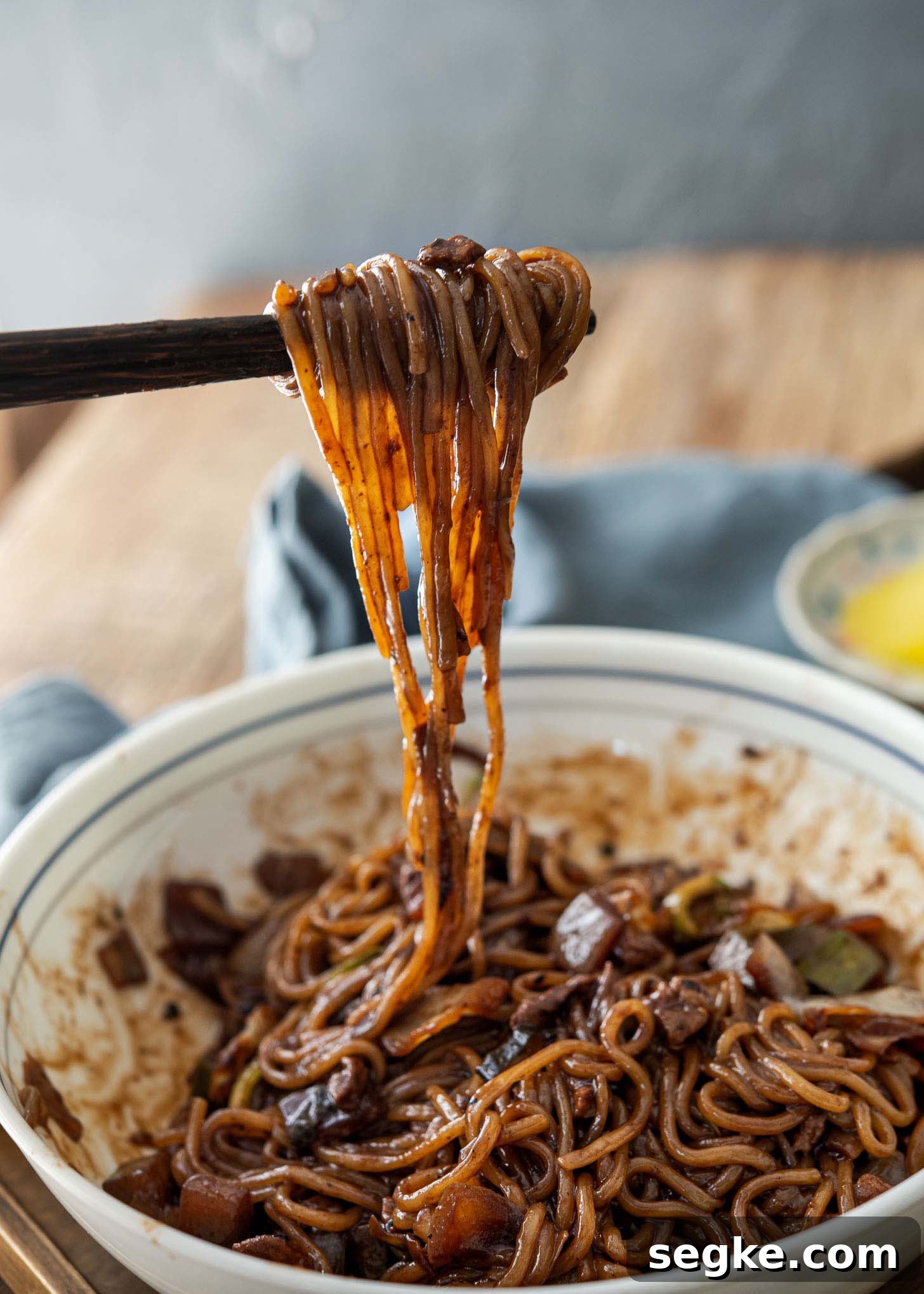
The appeal is simple: hearty wheat noodles, a thick, savory sauce, and textural contrast. When made well, the sauce clings to each strand so every bite is intensely flavorful.
At home you can recreate a restaurant-style jajangmyeon using store-bought noodles and Korean black bean paste (chunjang). A small amount of lard or oil to fry the paste and a few pantry staples are all you need for an authentic result.
Jjajangmyeon: Thick Noodles in Black Bean Sauce
Jjajangmyeon (짜장면) evolved from Chinese zhajiangmian but took on its own identity in Korea. The core components are wheat noodles and a rich black bean paste called chunjang. The sauce is typically stir-fried with diced pork and a mix of vegetables, finished with a cornstarch slurry for that glossy, clingy texture.
What makes jajangmyeon distinctive is the mouthfeel: chewy, bouncy noodles paired with a dense, almost lacquered sauce that sits on the surface of the noodles rather than being absorbed. That contrast is what gives the dish its lasting appeal.
Choosing the Right Noodles
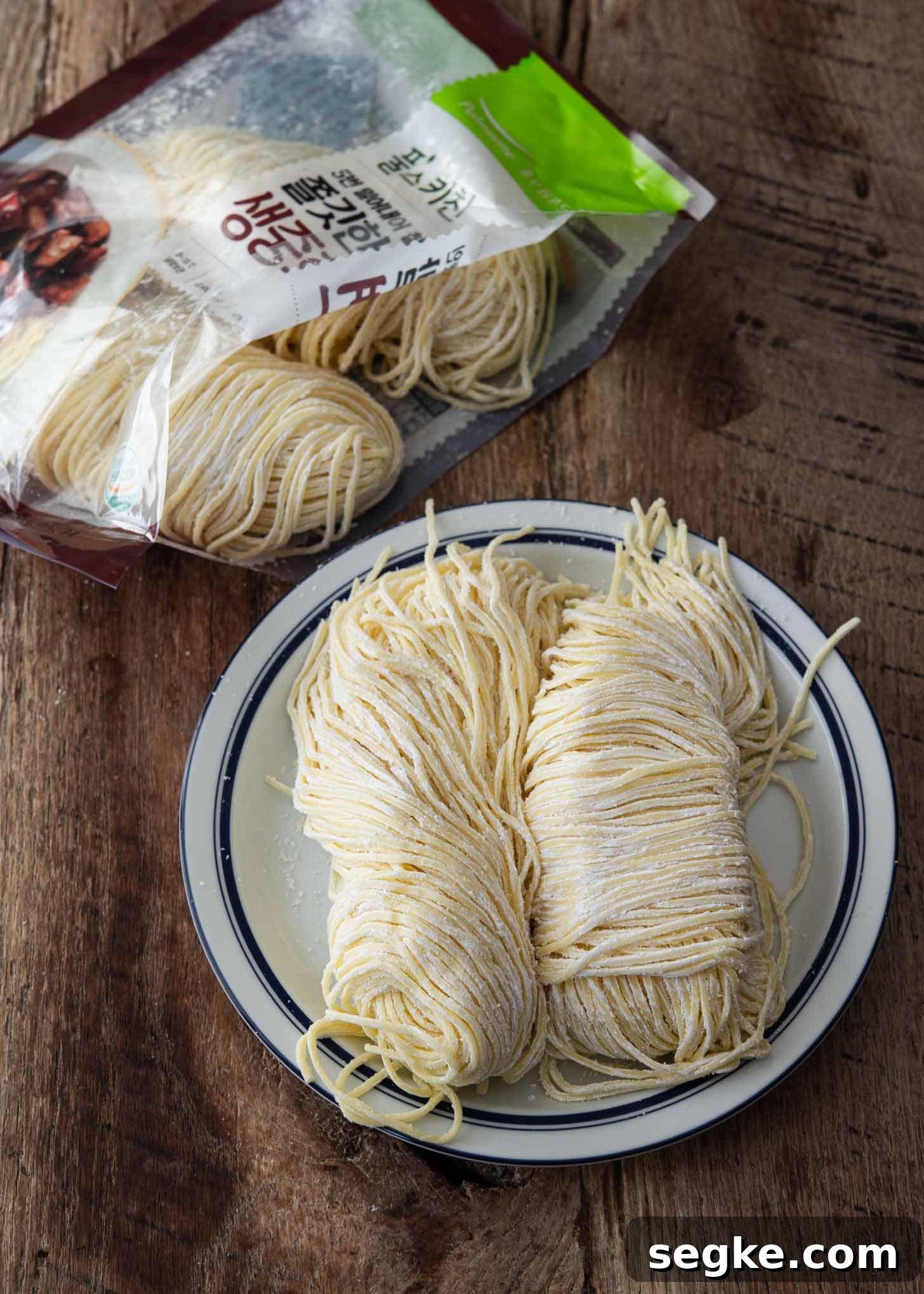
Noodles are essential to the experience. Fresh Korean wheat noodles made for jajangmyeon or similar fresh udon-style noodles give the best chewy texture. These are often available in the refrigerated section of Asian grocery stores. If fresh noodles are unavailable, quality dried wheat noodles or thick spaghetti can be used in a pinch, but they may not retain the same bounce.
Jajangmyeon Sauce
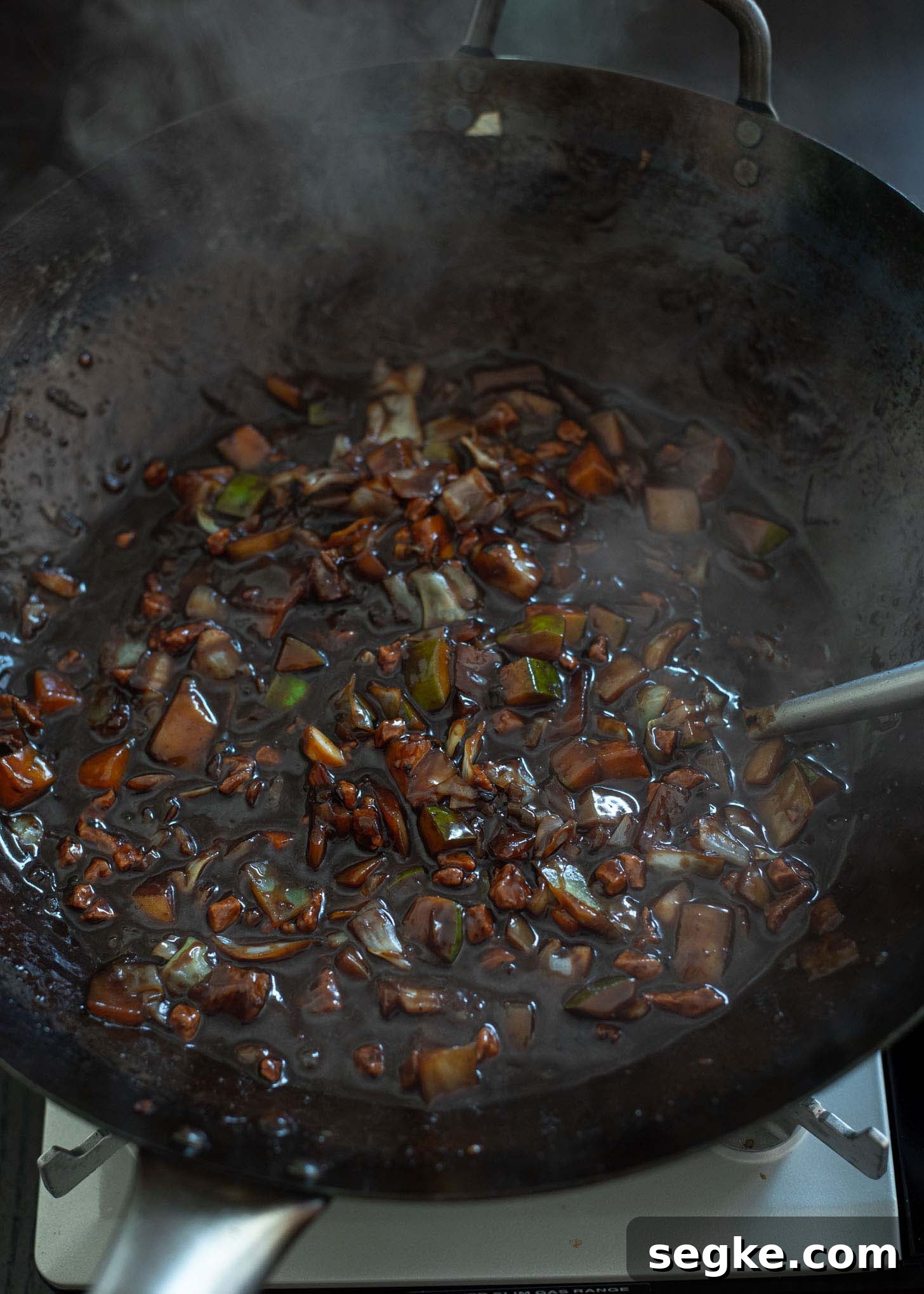
The sauce is based on chunjang, a Korean black bean paste. Properly frying the paste in oil (or rendered pork fat) removes bitterness and deepens the flavor. The fried paste is mixed with sautéed pork and vegetables—onion, cabbage, zucchini, and green onion are common—then simmered in water or stock. A cornstarch slurry is added at the end to achieve the dense, shiny finish characteristic of jajangmyeon.
Key Ingredients for Jjajangmyeon
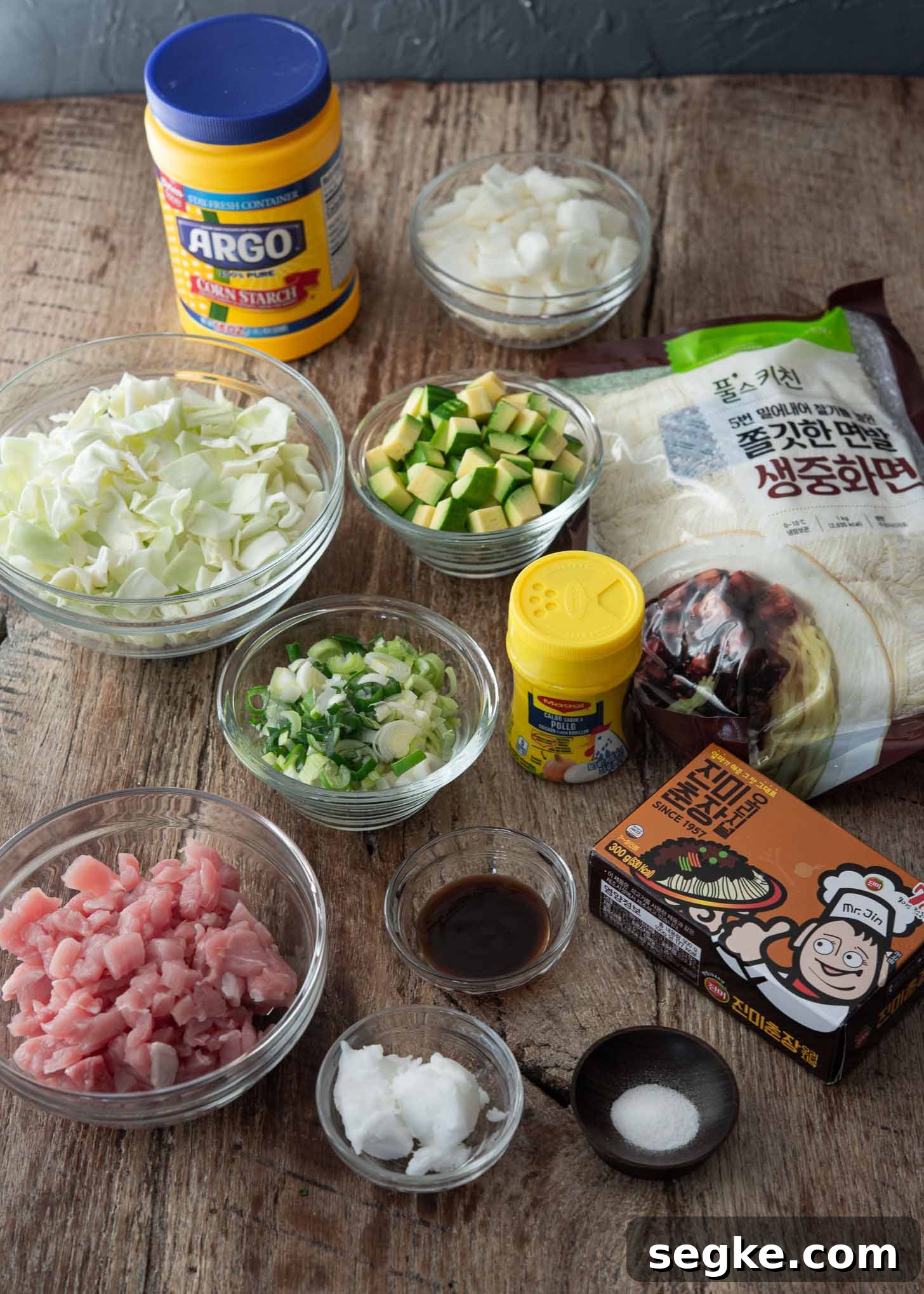
Aside from noodles and chunjang, gather the following:
- Pork: Lean cuts such as loin or shoulder, chopped into small pieces.
- Chunjang (Korean black bean paste): The essential flavor base. Fry the paste briefly in oil or pork fat to eliminate bitterness.
- Lard or neutral oil: Lard adds extra depth; oil works for a lighter version.
- Green onion or Asian leek: Adds savory aroma and a mild sharpness.
- Vegetables: Onion, cabbage, and zucchini are traditional and provide texture and sweetness.
- Oyster sauce and sugar: Small amounts help round out the umami and balance the sauce.
- Cornstarch slurry: Cornstarch mixed with water to thicken the sauce to a glossy finish.
How to Cook Jajangmyeon
Pre-fry the chunjang to remove bitterness. Heat oil in a wok or skillet over medium-low heat, add the black bean paste, and stir-fry for a couple of minutes. Spoon the fried paste onto a plate, discard excess oil, and wipe the pan.
Build flavor with pork and aromatics. Heat lard or oil, sauté chopped green onion with a pinch of sugar until lightly caramelized, then add the pork and cook until browned.
Add vegetables and combine with fried paste. Stir in onion, cabbage, and zucchini and cook until they begin to soften. Return the reserved fried chunjang to the pan along with oyster sauce, tossing to coat everything evenly.
Simmer and thicken. Pour in water or stock and a pinch of chicken bouillon powder if desired, bring to a boil, and simmer briefly. Stir in the cornstarch slurry and cook until the sauce is thick and glossy.
Cook the noodles and serve immediately. Boil fresh or dried noodles according to package instructions, drain well, and divide among bowls. Ladle the hot jajang sauce over the noodles so the sauce clings to each strand.
How to Serve
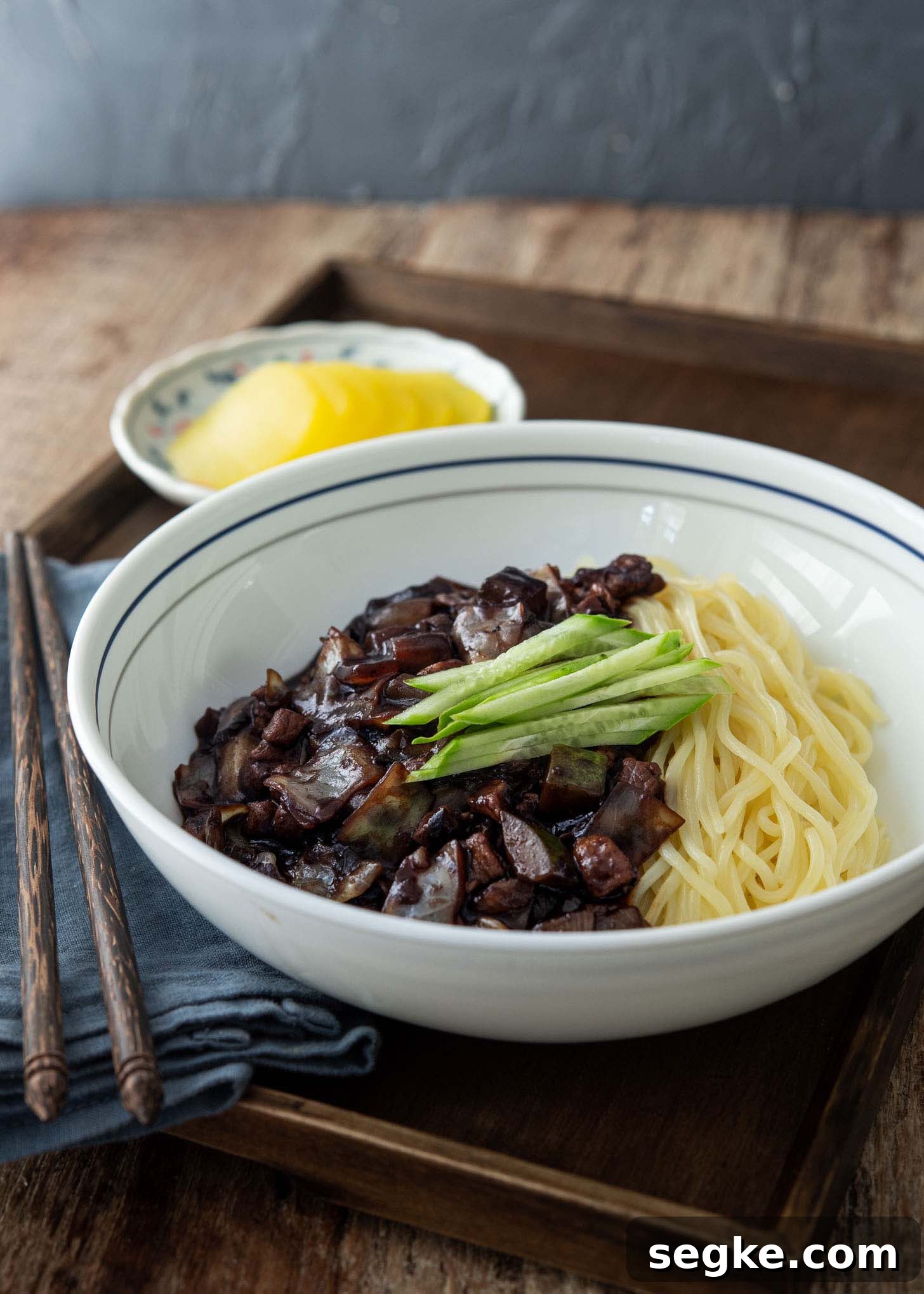
Serve jajangmyeon hot, garnished with julienned cucumber or thinly sliced green onion for freshness. It’s traditionally accompanied by danmuji (pickled radish), which cuts the richness of the sauce. Some people enjoy a fried egg on top. Serve quickly so the noodles remain chewy—avoid letting them sit long in the sauce or they will soften.
Tips for the Best Jajangmyeon
- Fry the chunjang properly: This step removes bitterness and unlocks deeper flavor.
- Use lard if you can: It enriches the sauce; vegetable oil is a fine substitute for a lighter version.
- Layer aromatics: Cook green onion or leek with a little sugar to develop gentle caramel notes.
- Boost umami cautiously: A small pinch of chicken bouillon powder or using stock instead of water can help if the paste seems mild.
- Avoid overcooking noodles: Cook them just until tender and serve immediately so they retain bounce.
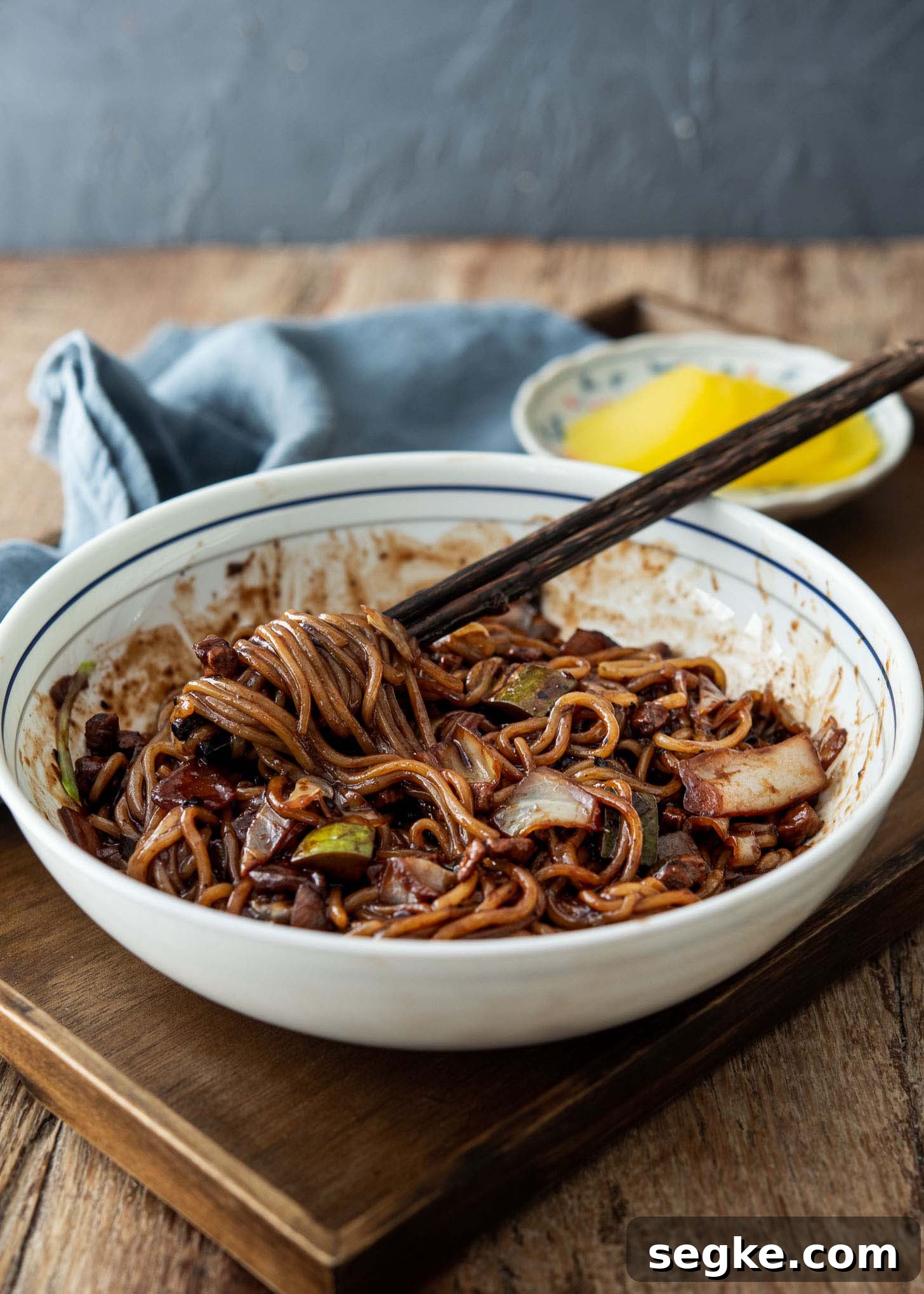
If you try this recipe, enjoy the comforting combination of chewy noodles and glossy black bean sauce. Jajangmyeon is simple to make yet deeply satisfying, and with a few small techniques—pre-frying the paste, using the right noodles—you can achieve a restaurant-quality result at home.