
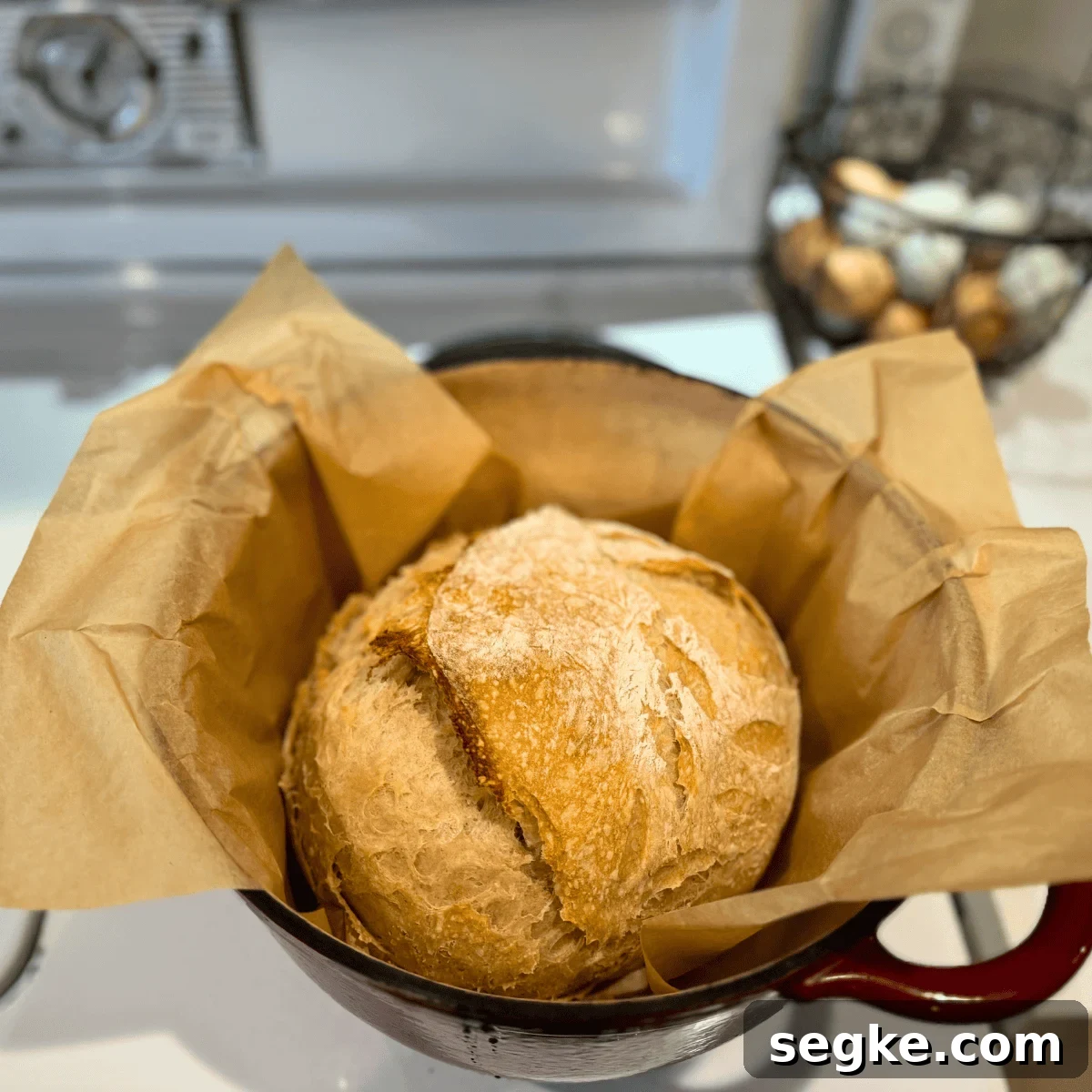
This easy one-day sourdough bread recipe produces a crusty, flavorful loaf in about a day by using an active levain, bread flour, warm proofing, and a short total proof time. The method is similar to a beginner no-knead sourdough loaf but relies on a levain and a series of stretch-and-folds to build structure quickly. With the right starter and a warm environment, you can bake a loaf in roughly 6–7 hours from levain preparation to the oven.
The shortest proofing time for sourdough bread
This recipe uses one of the shortest practical proofing schedules that still produces a well-risen, open-crumb loaf: approximately five hours of active proofing. To make a one-day loaf reliably, focus on three main factors:
- Very active levain: Use a lively, bubbly starter to build a levain that doubles or triples in volume. If your starter has been refrigerated, refresh it for a day or two before attempting this fast timetable.
- Warm proofing environment: Target a proofing temperature between 75–80°F (24–27°C). A consistently warm spot speeds fermentation and improves oven spring.
- Bread flour: Higher-protein bread flour helps the dough develop stronger gluten, giving faster rise and a lighter crumb compared with plain all-purpose flour.
With those factors in place, plan for a 2-hour bulk ferment followed by four sets of stretch-and-folds over about three hours (approximately one set every 30–45 minutes), totaling roughly five hours before final shaping and bake.
Get your sourdough starter really active — levain
Prepare a levain early in the morning so it has time to peak before you mix the dough. A levain is simply an active portion of your starter fed fresh flour and water to amplify its leavening power.
Levain ingredients (by weight):
- Active sourdough starter: 100 g
- All-purpose flour: 100 g
- Water: 100 g
Combine the starter, flour and water in a clean jar and stir until smooth. Cover loosely and leave at room temperature (around 70–78°F / 21–26°C). Expect significant bubbling and a doubling in size in 4–8 hours depending on starter strength and temperature. Use the levain at its peak — when it reaches maximum volume and shows doming or a subtle collapse — for the best rise.
Can you use your starter the same day?
Yes, provided your starter reliably doubles within 4–8 hours after feeding. If it takes longer, refresh the starter until it is reliably active before attempting a same-day loaf. Warmer temperatures accelerate levain ripening.
Tips and tricks for same-day sourdough success
Make a separate levain: Building a levain from your established starter gives a predictable, energetic rise. Feed and rest the levain until it doubles in volume before mixing your dough.
Initial mix and hydration: Combine the levain with warm water, stir to disperse, then add bread flour and salt. A Danish whisk is useful for the first mix; switch to hands when the dough becomes too thick.
Kneading and bulk ferment: Knead or work the dough until it forms a shaggy mass, then cover and place in a warm spot for about two hours for the first rise.
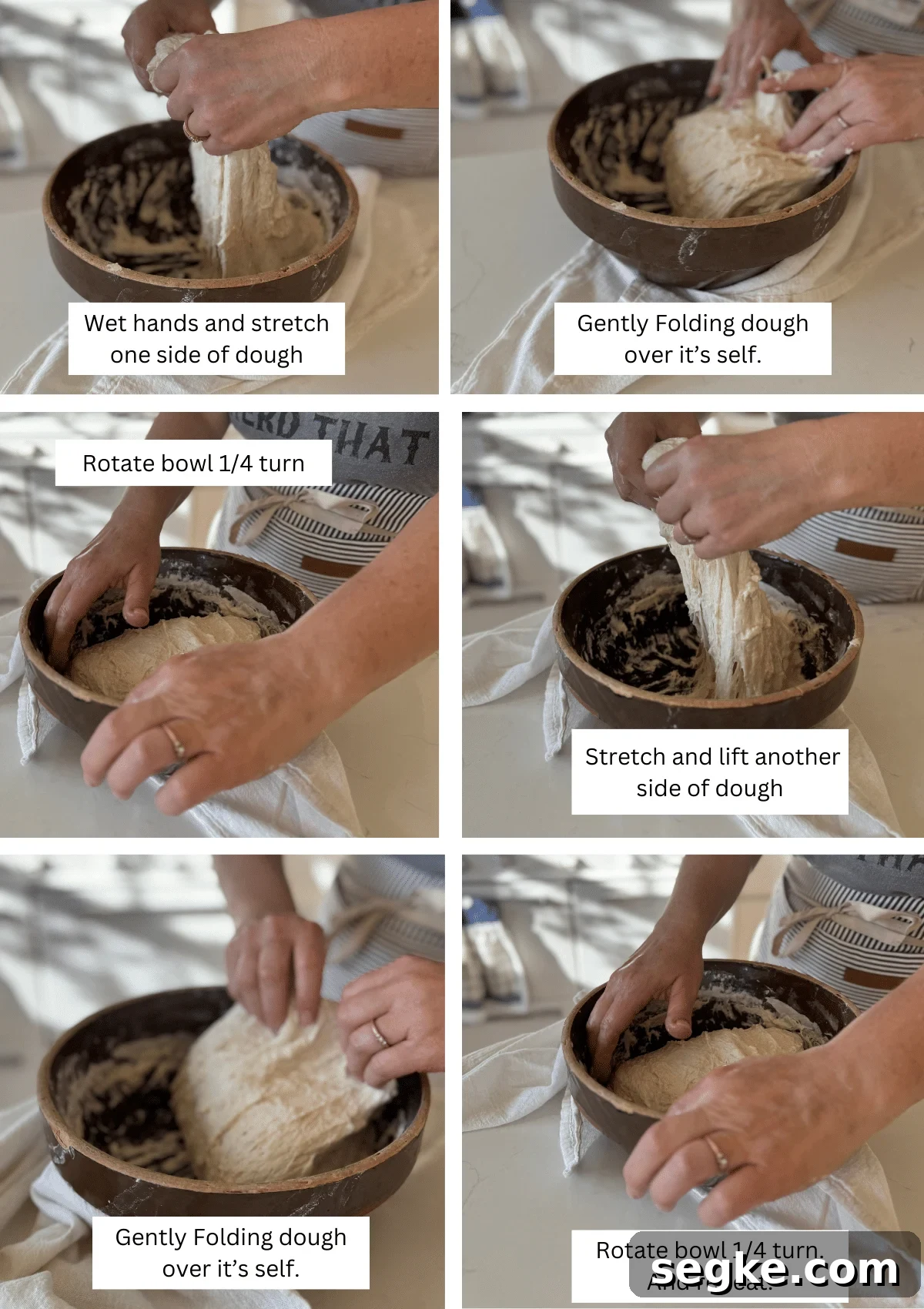
Stretch-and-folds: Perform four sets of stretch-and-folds roughly 30–45 minutes apart. This gentle technique builds gluten strength without intensive kneading and encourages an open crumb.
Preheat and bake: Preheat a Dutch oven (with lid) to 400°F (200°C). After your final shaping, place the dough on parchment, dust with flour, score the top with a very sharp blade, and transfer it to the preheated Dutch oven. Bake with the lid on for 25 minutes to trap steam, then remove the lid and bake another 20–30 minutes until deeply browned and crisp.
Cooling: For the best crumb structure, allow the loaf to cool completely before slicing. Cooling helps the crumb set and prevents a gummy interior. If you prefer warm bread, slicing sooner is fine but expect slightly softer crumb.

Recipe — Easy 1 Day Sourdough Bread
This recipe yields one loaf.
Ingredients
- 2 cups active sourdough levain (prepared as above)
- 1 cup warm water
- 3 cups bread flour
- 2 teaspoons salt
Instructions
- Prepare the levain and allow it to double in a warm spot. Do not proceed unless the levain is very active.
- In a large bowl, combine 2 cups prepared levain with 1 cup warm water and stir to combine.
- Add 3 cups bread flour and 2 teaspoons salt. Mix with a whisk or spoon until the dough is cohesive.
- When the dough is too stiff to whisk, knead briefly until shaggy. Cover and let rest in a warm spot for about 2 hours.
- Perform four sets of stretch-and-folds, spaced 30–45 minutes apart, to develop strength.
- After the final fold, shape the dough, place it on parchment, and dust with flour. Score the top.
- Preheat a Dutch oven to 400°F. Place the dough into the Dutch oven, cover, and bake 25 minutes, then remove the lid and bake an additional 20–25 minutes until deeply browned.
- Cool on a rack for best texture, or serve warm if desired.
Notes
- Flour: Bread flour gives the best rise and texture for a same-day loaf; all-purpose flour will work but may yield a denser crumb.
- Salt: Any common culinary salt will work; adjust to taste if needed.
- Levain: A very active levain is the single most important factor for one-day sourdough success. If the levain fails to peak, pause and refresh the starter before proceeding.
Nutrition (approximate per serving)
Calories: 196 kcal • Carbohydrates: 40 g • Protein: 7 g • Fat: 1 g • Sodium: 267 mg • Fiber: 2 g
Share your results
If you try this method, note how your levain behaved, what proofing temperature you used, and how the crumb turned out. Small adjustments to hydration, flour type, and proofing time can make a big difference depending on your starter and kitchen temperature.