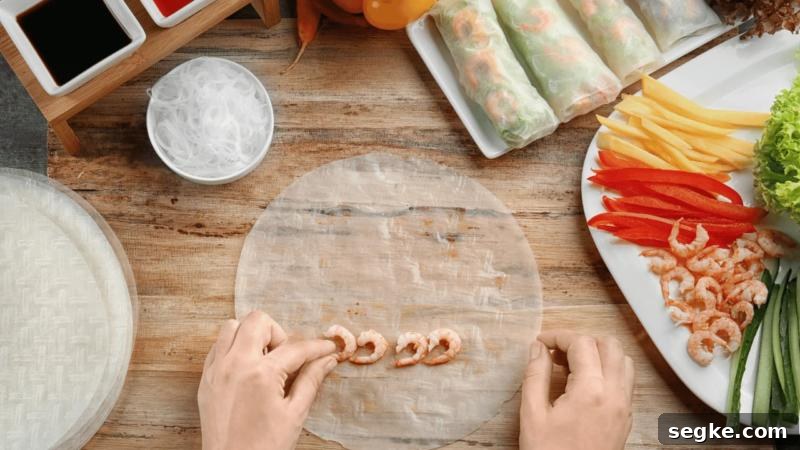
If you’ve enjoyed fresh spring rolls from a Thai market or Japanese takeout, you’ve already tasted rice paper. These almost-translucent sheets are the light, flexible wrappers that hold ingredients together in spring rolls, summer rolls, and many other Asian-inspired dishes.
Rice paper is thinner than an egg roll wrapper and is typically made from rice flour mixed with water, then steamed and dried. Many brands add a bit of tapioca or starch to give the wrapper a pleasant chew and extra pliability.
Because rice paper is sold dried and shelf-stable, it’s easy to keep in the pantry and quick to rehydrate when you want to assemble rolls or wraps.
Table of Contents
Toggle
Where to buy rice paper?
Rice paper is widely available online and in many physical stores. If you prefer shopping from home, major retailers and specialty food sites deliver a wide selection at competitive prices. Locally, look for rice paper in Asian grocery stores—Vietnamese, Thai, and Lao markets often stock multiple brands and sizes. Some mainstream supermarkets and health food stores also carry rice paper in their international or specialty aisles.
If you’re specifically looking for Japanese-style rice paper or rice wrappers for sushi and rolls, check Japanese groceries and specialty importers, or browse online marketplaces that focus on Asian ingredients.
Rice Paper Wraps
When comparing brands, inspect the ingredient list. A small amount of tapioca or another starch can improve texture, but you generally want rice or rice flour listed first. Wrappers made primarily from rice will taste cleaner and hold together better when wet.
Rice paper is inexpensive, so avoid the cheapest options if you care about texture and durability. A modestly priced package usually offers better results without a big cost difference per serving. Most packs contain multiple round or square sheets and are sold dried for long-term pantry storage.
Where to Buy Rice Paper in the US
In the United States, Asian supermarkets and neighborhood Vietnamese or Lao grocers are the most reliable places to find a range of rice paper types. Some local restaurants may also sell extra wrappers if they have stock available.
If you don’t have an Asian market nearby, online retailers offer a wide selection, from thin spring-roll sheets to thicker varieties used for frying. When ordering, check ingredient lists and reviews so you get wrappers made chiefly from rice or rice flour for the best taste and performance.
Storing and Preparing Rice Paper Wrappers
Because rice paper is sold dehydrated, proper storage is simple: keep the sheets in a cool, dry place in their original packaging or an airtight container to protect them from humidity. Moisture will cause them to stick together or spoil, so avoid storing them near the stove or sink.
To use rice paper, briefly submerge a sheet in warm water or wipe it with a damp cloth until it becomes soft and pliable. Lay it flat, add fillings such as herbs, vegetables, proteins, and rice noodles, then fold and roll tightly. Cooking isn’t required—these wraps are often served fresh—but you can also steam, pan-fry, or deep-fry finished rolls depending on the recipe.
Rice paper is highly versatile in recipes: use it for fresh rolls, crispy fried appetizers, or creative hors d’oeuvres for parties. Its neutral flavor and delicate texture make it an elegant option for presenting colorful fillings.
Frequently Asked Questions About Rice Paper
Is rice paper easy to use?
Yes. Rice paper comes dried and only needs brief rehydration to become workable. Some recipes call for steaming after rolling, but many are served immediately once filled and rolled.
What is the best substitute for rice paper?
Good substitutes include edible leaves (like large spinach or lettuce leaves), nori or other seaweed sheets, thinly sliced vegetables such as zucchini strips, or even wonton wrappers in certain preparations.
Can you eat rice paper on low carb diet?
Rice paper is made from rice, so it contains carbohydrates and is not suitable for strict low-carb or ketogenic diets.
How many carbs does rice paper have?
Rice paper is primarily carbohydrate by composition. Exact carb content varies by size and brand, but many wrappers are largely carbohydrate-based and should be counted accordingly in your meal planning.
How many calories in rice paper?
Calorie counts differ by brand and sheet size, but a typical rice paper wrapper usually contains roughly 20–35 calories each.
Conclusion
Rice paper is an inexpensive, versatile ingredient that elevates fresh and fried dishes alike. It’s easy to find both online and in specialty stores, simple to store, and quick to prepare. With the right wrapper—one made primarily from rice—you’ll achieve better texture and flavor for spring rolls, appetizers, and creative culinary presentations. Try a few brands to find the one you prefer, then enjoy experimenting with fillings and serving styles.