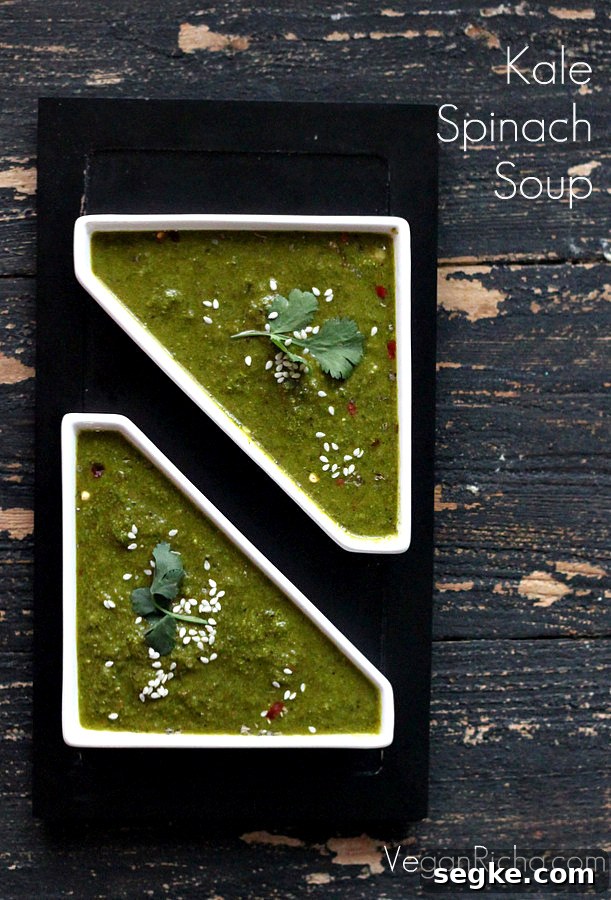
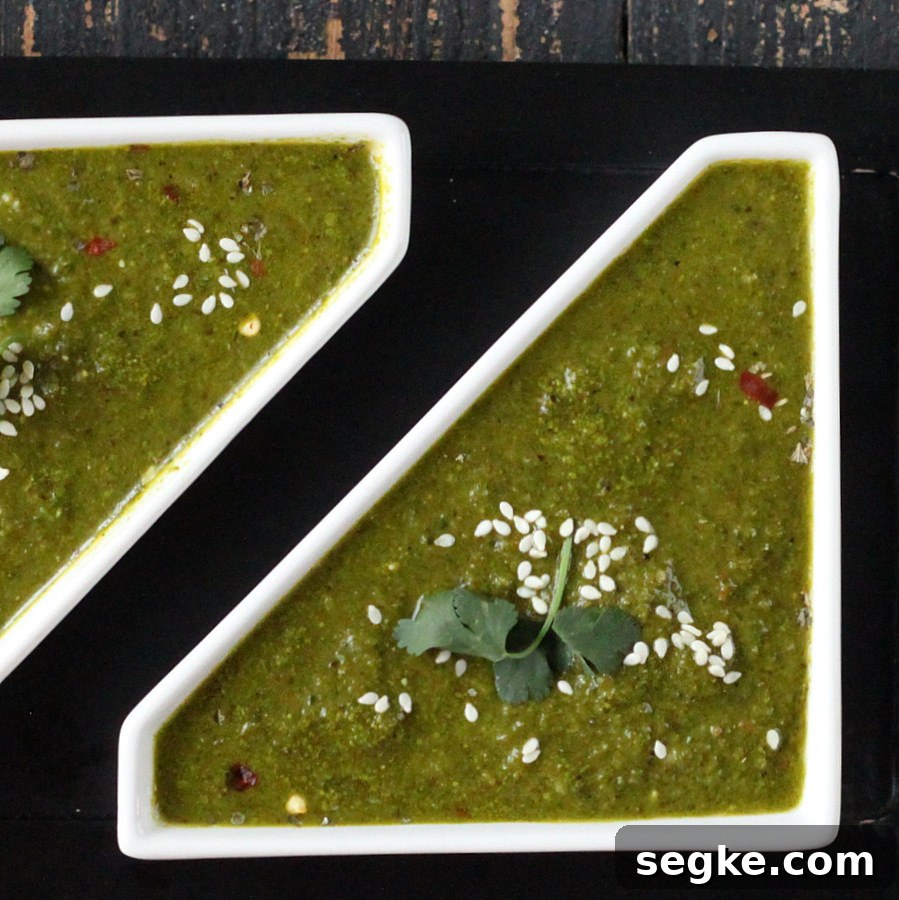
It’s a green soup day! My favorite way to enjoy kale is when it’s soft and tender, dressed in a tangy ginger-miso sesame sauce. Massaging or steaming kale for salads takes time, so I turned the whole idea into a comforting blended soup instead.
Fresh kale and baby spinach combine with ginger, miso, sesame, and a touch of maple for a bright, savory bowl. This soup can be enjoyed as a light starter, served with crusty bread, or made heartier by adding beans, quinoa, or roasted mushrooms. It also makes a great dip when thickened slightly and cooled.
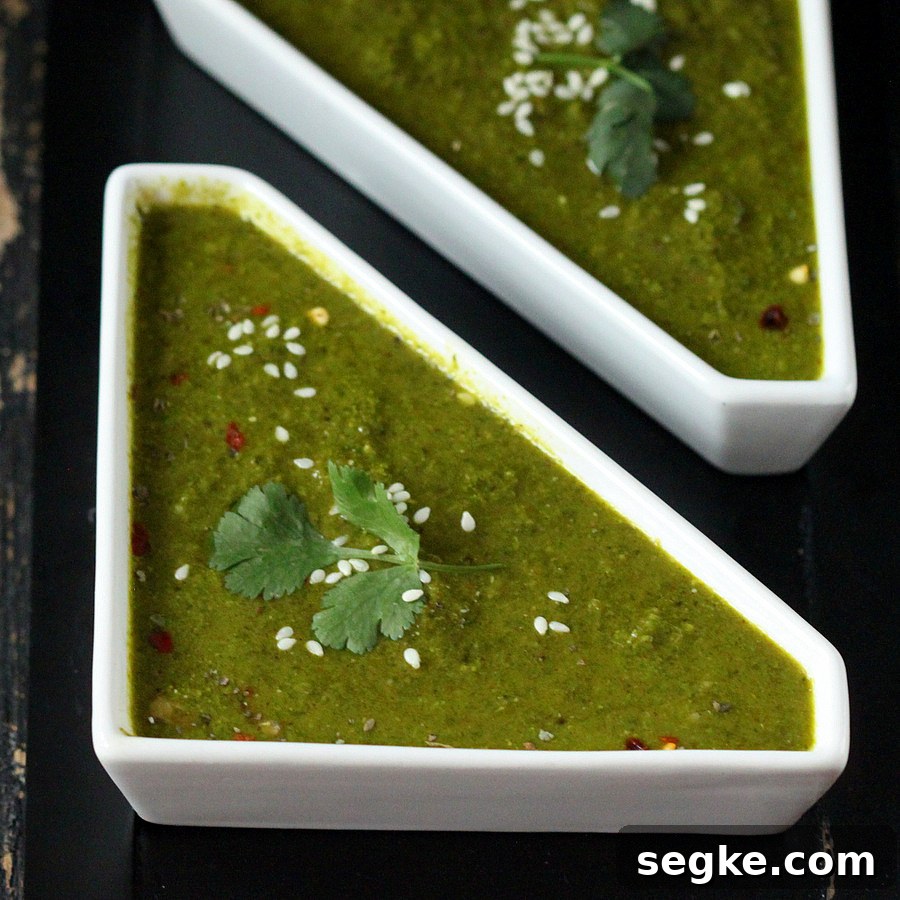
For a more substantial meal, stir in cooked chickpeas, white beans, or cubed baked tofu just before serving. You can also add a chopped tomato for extra tang, or finish the soup with warming spices like garam masala for an Indian-inspired twist. The base of ginger and miso keeps the flavor bright and savory while the cashews lend creaminess without dairy.
Our tastes change over time, and I find myself simplifying or fusion-izing many familiar dishes. This soup was inspired by curried spinach or mustard-leaf soups, but leans more Japanese/Asian in flavor because of the miso and sesame. It’s a simple way to enjoy leafy greens in a warming, easy-to-make bowl.
We’ve also been house-hunting, looking for something with a yard. Location preferences are pulling us in different directions — we love being near the sculpture park and shoreline with mountain views, but are also drawn to neighborhoods like Green Lake for its bakeries and community feel. For now, this cozy kitchen is where I test recipes like this one.
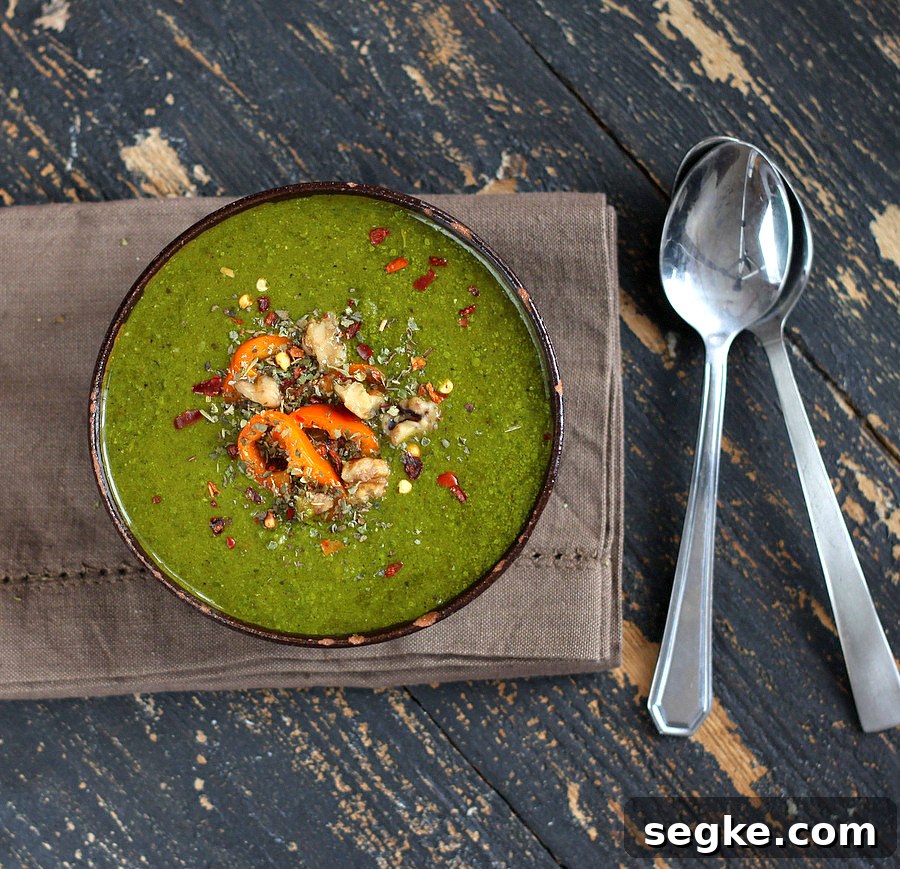
Kale Spinach Ginger Miso Soup
Allergen Information: Dairy-free, egg-free, corn-free, soy-free (if using chickpea miso), and gluten-free depending on miso choice. Can be made nut-free by swapping cashews for sunflower seeds. To avoid refined oil, omit the sesame oil and increase sesame seeds or use toasted seeds.
Serves 2
Ingredients:
1.5 cups packed baby kale, washed
1 cup packed baby spinach, washed
1/4 cup ground raw cashews (or sunflower seeds for nut-free)
1 teaspoon rice vinegar or other vinegar, to taste
1 teaspoon sesame oil (optional)
1 tablespoon maple syrup
1 tablespoon chickpea miso (or another miso of choice)
1 tablespoon sesame seeds
1/2-inch piece of ginger, chopped
1 garlic clove
1/2 teaspoon mustard powder
1/2 a jalapeño or chili flakes, to taste
1/2 teaspoon sea salt, or to taste
1–2 cups water, depending on desired thickness
Variations:
- Add cooked chickpeas, white beans, or lentils and bring to a simmer for a protein-rich bowl.
- Include a chopped tomato for tang and extra color.
- Use different spice blends such as cajun seasoning or garam masala for regional flavor twists.
- Stir in cubed baked tofu or roasted mushrooms for texture.
Method:
1. In a high-speed blender, combine kale, spinach, ground cashews, rice vinegar, sesame oil, maple syrup, miso, sesame seeds, ginger, garlic, mustard powder, chili, salt, and 1 cup water. Blend to a smooth consistency. Add more water if needed to reach your preferred soup thickness.
2. Pour the blended mixture into a saucepan over medium heat and bring to a gentle boil, stirring occasionally.
3. Taste and adjust seasoning—add more salt, miso, or vinegar for brightness. Simmer a few minutes if the kale taste feels too grassy; extended cooking mellows the flavors.
4. Serve hot topped with croutons, toasted sesame seeds, or a drizzle of sesame oil. Pair with pita, naan, garlic bread, or roasted vegetables for a complete meal.
Storage and reheating tips: Cool the soup to room temperature, then refrigerate in an airtight container for up to 3–4 days. Reheat gently on the stove over low heat, adding a splash of water if it has thickened. This soup also freezes well in portions—thaw overnight in the refrigerator and warm slowly to preserve texture.
Serving ideas: Garnish with chopped herbs, toasted seeds, or a spoonful of coconut yogurt for creaminess. For a heartier bowl, serve over cooked grains like quinoa or brown rice, or ladle over roasted root vegetables.
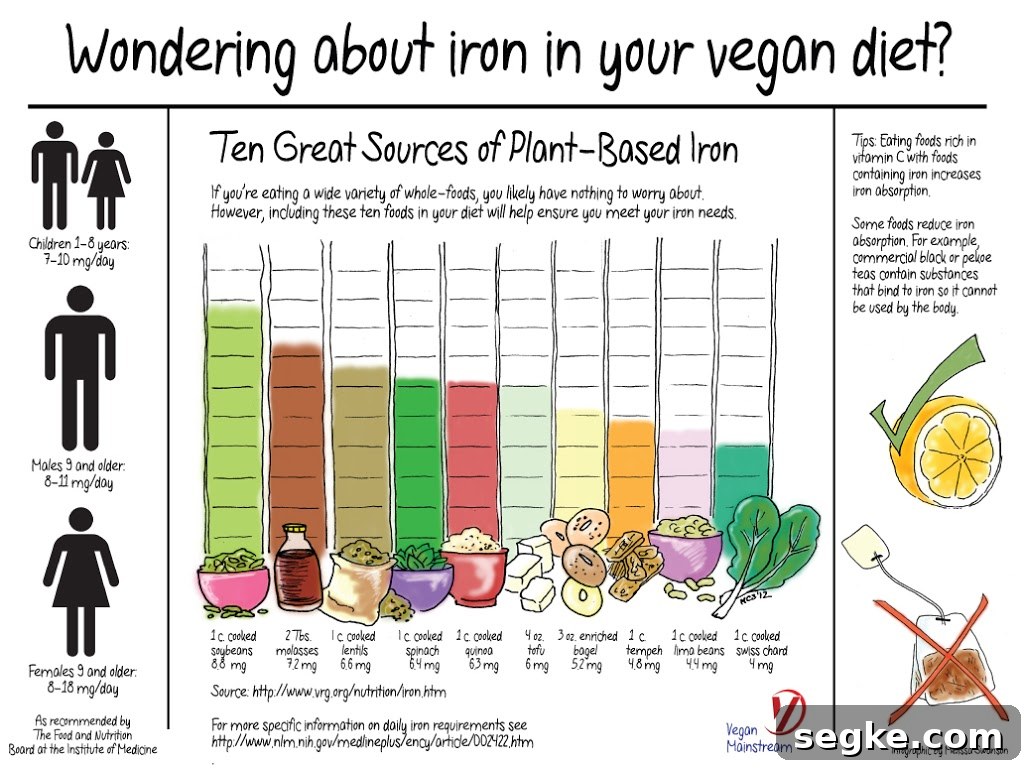
I remember when I was anemic years ago and my mom gave me beet juice daily. She believed it helped because beets are often associated with iron-rich diets. A simple spoonful of blackstrap molasses can also be an effective way to add iron in small amounts if appropriate for your diet.