
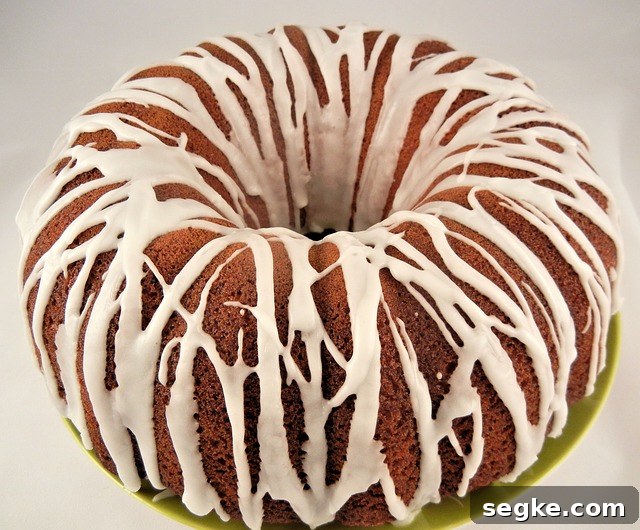
This is easily the best pound cake recipe you’ll find. Below I explain where the original recipe came from, how I adjusted it, and the techniques that give this classic Southern cake its ideal texture.
I call my version “Van Halen Pound Cake” (named after the song, not the band’s culinary expertise). Once you know this base recipe you can adapt it in many ways—strawberry, chocolate, whipped cream variations and more all start from this one foundation. I’ve gathered my pound cake recipes together on the blog for easy reference. Thanks for stopping by.
Perfected Pound Cake, At a Glance
✔️ Skill Level: Beginner
✔️ Skills: The Creaming Method, Powdered Sugar Glaze
✔️ Type: Pound Cake
✔️ Number of Ingredients: 11
✔️ Prep Time: 25 minutes
✔️ Bake Time: about 1 hour
✔️ Yield: 1 large pound cake (16–20 slices)
Jump straight to the recipe below.
Patsy’s Famous Pound Cake, Reimagined
I was given Miss Patsy’s famous pound cake recipe by a reader named Cindy. I agreed not to publish the original exactly as written, but I can share my modifications and the method I use to make the cake lighter and more flavorful.
The “Van Halen” name came from a friend’s offhand comment about a song called “Pound Cake.” Whether the song is about baking or not, the name stuck for my version of this cake.
Call it Van Halen Pound Cake or simply The Best Pound Cake—either way, it’s reliable, buttery, and easy to adapt.
A Note About Classic Pound Cake
The original pound cake is a straightforward, perfectly balanced mix of structural and tender elements:
- 1 pound flour + 1 pound eggs = Team Structure
- 1 pound sugar + 1 pound butter = Team Tender
That original produces a dense, mildly sweet cake—great toasted or served plain. Modern versions typically reduce some of the heavier elements, add a touch more sugar, flavorings, a little liquid, and some leavening for a lighter, more tender crumb.
My modern proportions are roughly:
- 13 oz cake flour
- about 10 oz eggs (5 eggs)
- 20 oz granulated sugar
- 12 oz butter (about 3 sticks)
The result is a pound cake that’s lighter, slightly sweeter, and still rich without being heavy.
Pound Cakes and the Creaming Method
Pound cakes are made using the creaming method: you cream butter and sugar until light and fluffy, then add eggs a little at a time, and finish by alternating dry and wet ingredients. If you bake American-style butter cakes, this will sound familiar.
The Creaming Method, Step by Step
Here are the steps I follow for a dependable, well-textured pound cake. These steps apply to nearly any butter cake as well.
- Measure all ingredients and bring them to cool room temperature (about 68°F).
- Whisk the cake flour and baking powder together thoroughly and set aside.
- Cream the butter (and any shortening) for about a minute until smooth.
- Add salt and extracts to the butter and cream briefly to help carry the flavors into the fat.
- Add the sugar and beat on medium until the mixture is pale and fluffy (about 3–5 minutes), scraping the bowl as needed.
- Whisk the eggs together and drizzle them in slowly while the mixer runs on medium-low. Drizzling helps keep the batter stable and emulsified.
- With the mixer on low, add the flour mixture in three additions and the dairy in two additions, beginning and ending with the flour. Mix just until combined between additions.
- Once everything is combined, briefly turn the mixer to medium-high for 2–3 seconds to homogenize the batter—no more.
- Scrape the batter into a prepared Bundt pan, smooth the surface, and bake in the lower third of a 350°F oven until well risen and deep golden brown, about 1 hour. A toothpick in the center should come out clean and the cake should start to pull away from the pan sides.
- Cool the cake in the pan for about 30–60 minutes. For the best moisture retention, turn it out when slightly warm, wrap tightly in plastic, and finish cooling in the fridge or freezer so the steam condenses back into the cake instead of escaping.
Pro Tip
To intensify lemon flavor, rub lemon zest into the granulated sugar before adding it to the butter. Use clean fingers to crush zest and sugar together—this releases lemon oil and perfumes the sugar. The sugar will take on a faint yellow tint and feel slightly clumpy when it’s ready.
Preparing a Bundt Pan
A good release is essential for a Bundt pan. If you have cake-release product, use a pastry brush to coat the pan thoroughly so batter can escape every nook. Alternatives are:
- Pan spray designed for baking (with oil and flour)
- Brush the pan with softened fat and dust with flour
- Brush with fat and dust with sugar for a sweeter crust
- Homemade blends of fat plus flour or sugar
Glazing the Pound Cake
I usually make a thick powdered-sugar glaze that shows up white and glossy on top of the cake. Start with powdered sugar and a pinch of salt, add a tiny bit of vanilla and a splash of half-and-half, and whisk until you reach the thickness you prefer. Drizzle or spoon over the cooled cake.
This cake’s subtle mix of extracts often leaves people guessing the exact flavors—lemon, vanilla, and a hint of almond combine into something undeniably good.
Questions?
If you have questions about the recipe or technique, leave a comment below or reach out via email: [email protected]. I’ll reply as soon as I can.
A Note About Measurements
My recipes are written by weight whenever possible. For the most consistent results, use a digital kitchen scale. Weighing ingredients speeds up mixing and cleanup and gives reliable outcomes every time.
Please Take a Moment to Rate and Review
Your rating and comments help other readers decide whether to try this recipe, and they help me keep improving recipes here. Thank you for taking a moment to share your feedback.

Now it’s time to bake the best pound cake you’ll ever have. Not that I’m biased.
The Best Pound Cake Recipe
This is the hands-down best pound cake recipe—buttery, tender, and easy to adapt.
Author: Jennifer Field
Prep Time: 25 mins | Cook Time: 1 hr | Cooling Time: 4 hrs | Total Time: 5 hrs 30 mins
Servings: 24 slices
Calories: 231 kcal per slice
Equipment
- Digital kitchen scale
- Stand mixer with paddle attachment (or a sturdy hand mixer)
- 12-cup Bundt pan
- Cooling rack
- Spatula and pastry brush
Ingredients
- 13 oz cake flour (about 3 cups, sifted, spooned and leveled)
- 1 teaspoon baking powder
- 12 oz unsalted butter, cool room temperature (about 3 sticks)
- 20 oz granulated sugar (about 3 cups)
- 1 1/4 teaspoons fine sea salt
- 5 eggs
- 1 teaspoon vanilla extract
- 1 teaspoon lemon extract
- 1/2 teaspoon almond extract
- Zest of 1 1/2 lemons
- 1 1/4 cups half-and-half
Instructions
- Grease and flour a 12-cup Bundt pan or use a baking spray with flour. Position a rack in the lower third of the oven and preheat to 350°F (175°C).
- Whisk together the cake flour and baking powder; set aside.
- In the stand mixer bowl fitted with the paddle, beat the butter and salt until creamy and slightly lighter in color.
- Add the sugar and beat until the mixture is pale and fluffy, about 5 minutes, scraping the bowl as needed.
- Mix in the extracts and lemon zest and beat for another minute.
- Whisk the eggs together in a separate bowl, then slowly drizzle them into the mixer on medium-low speed over about 5 minutes, scraping the bowl as necessary.
- On low speed, add the flour mixture in three additions and the half-and-half in two additions, beginning and ending with the flour. Mix just until combined between additions.
- Scrape the batter into the prepared pan, smooth the top, and bake until the cake is well risen and deep golden brown, about 1 hour. A toothpick inserted in the center should come out clean.
- Allow the cake to cool in the pan for 30 minutes, then turn out onto a rack to cool completely, about 4 hours. For the moistest result, wrap the slightly warm cake in plastic and finish cooling in the refrigerator or freezer so moisture stays in the cake.
- Serve plain or with a powdered sugar glaze or drizzle.
- Store leftovers wrapped at room temperature up to 5 days; freeze for longer storage.
Nutrition (per slice)
Calories: 231 kcal | Carbohydrates: 37 g | Protein: 3 g | Fat: 8 g | Sugar: 24 g
And there you have it—the Van Halen pound cake, the base recipe I use for all my pound cake variations.

Hi, y’all! I hope you enjoyed this post and learned a trick or two. If you like my approach, consider subscribing to my occasional newsletter, The Inbox Pastry Chef, for recipe updates and behind-the-scenes notes.
Expect new recipes and baking tips in your inbox from time to time—I’d love to have you along.
Thanks for spending some time with me today. Take care, and have a lovely day.