
Signs of Spring — Cautious Optimism in the Garden
Because we’ve had a mild winter, the yard is starting to look a lot like spring already. That early promise is tempting, but I remember my region’s official last frost-free date is April 15th — still about two months away. Two months can bring a lot of weather: late frosts, freezes, and even snow. I try to stay optimistic, but I also keep a cautious eye on the trees and shrubs; they often pay the price when we get premature warmth followed by a hard cold snap.
Most of my perennial plants seem capable of handling the swings in temperature, and I worry less about them. Trees and larger shrubs, however, are a different story. Buds that swell in an early thaw can be vulnerable if a late frost arrives, and recovery for woody plants can be slow or incomplete. For that reason I delay any major pruning or trimming until I feel past the risk of frost, and I keep an eye on nighttime forecasts before moving any tender potted plants outdoors.
One plant that never worries me is the hellebore. These tough perennials pop up early, often holding their blooms through unexpected bursts of wintry weather. I’ve seen hellebores push through snow and come back strong after an ice storm. Their nodding, cup-shaped flowers — often in soft purples and muted tones — feel like a quiet celebration of resilience in the garden. Every spring I get the same happy surprise: one day the beds are bare, and the next I notice those delicate heads bobbing in the light.
Oregano is another reliable survivor in my beds. It’s hardy, spreads easily, and bounces back even when I leave my fall leaves in place. I didn’t bother raking those leaves out of the perennial borders this year; they act as a natural mulch, providing insulation and habitat for beneficial insects. Leaving some leaf litter can be a simple, low-effort way to protect emerging shoots during unpredictable springs while also supporting garden ecology.
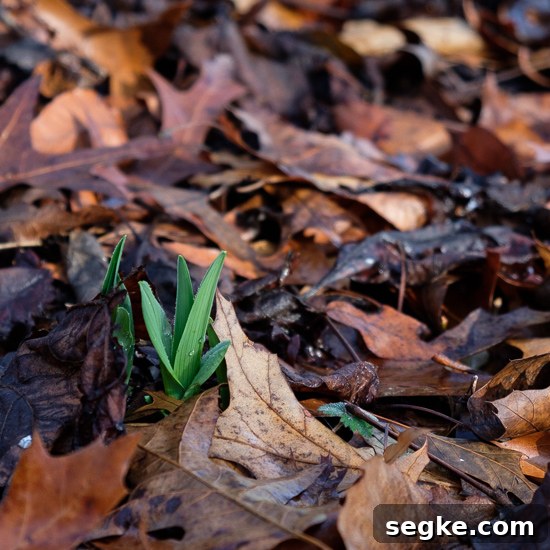
I came across a clump of shoots I couldn’t immediately identify — could be daffodils, or another spring bulb — and that uncertainty is part of the charm right now. Spring is full of little mysteries: seedlings and bulbs emerge, sometimes unexpectedly, and it’s gratifying to watch them reveal themselves day by day. When in doubt, I let new growth develop a bit before deciding whether to intervene, allowing the plant itself to tell me what it needs.
Some shrubs still carry last year’s blossoms. My oakleaf hydrangea, for instance, retains a few dried blooms from the previous season. Those old blooms can add winter structure and visual interest, and many gardeners choose to leave them on until new growth appears in spring. The timing of cleanup depends on your personal preference and the health of the plant, but I often trim away spent flower clusters after new basal growth shows, to avoid accidental removal of fresh buds.
Overall, this in-between period — when the garden teases us with early color but the official frost date hasn’t passed — calls for a measured approach. Enjoy the emerging life: take notice of resilient hellebores, let hardy herbs like oregano establish themselves, and be patient with unsure bulbs and late-blooming shrubs. With a little caution and observation, it’s possible to savor the first hints of spring without risking the setbacks that late cold snaps can bring.