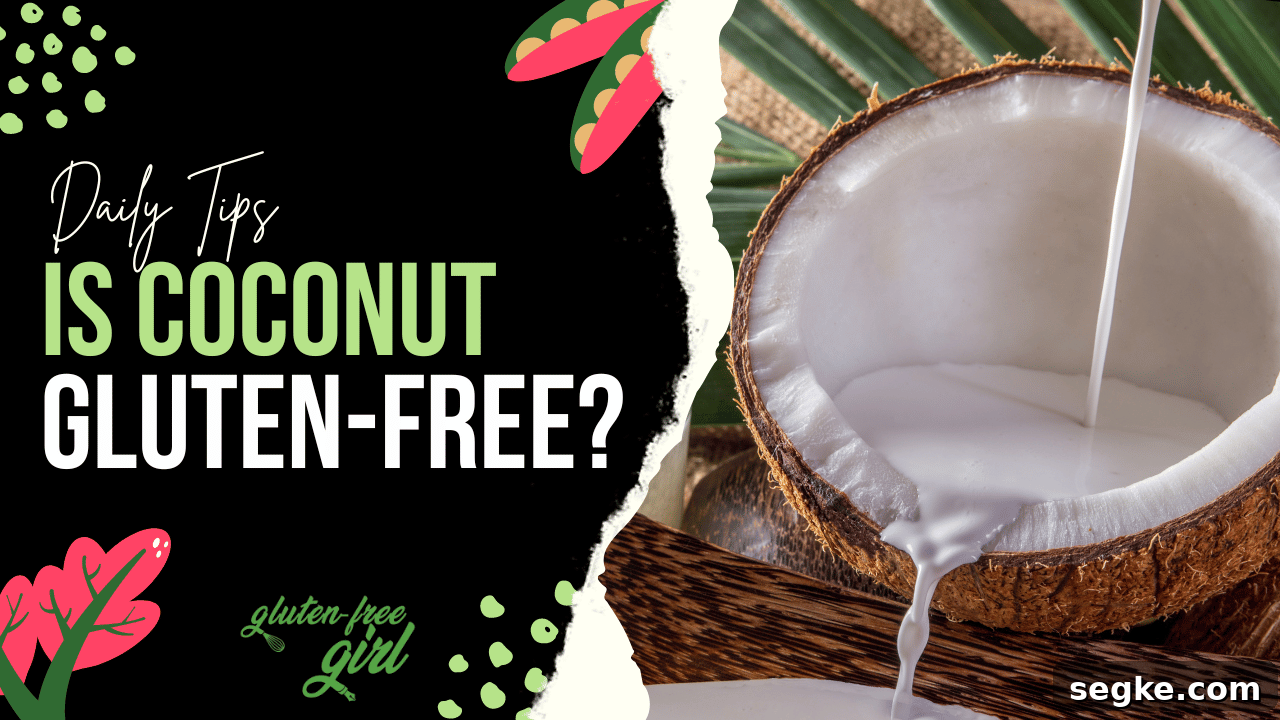
Yes — coconut is naturally gluten-free. Coconut is not a grain; it is the seed of the coconut palm. Because gluten is a protein found in certain cereal grains such as wheat, barley, and rye, whole coconut and unadulterated coconut products do not contain gluten.
This distinction matters for people with celiac disease, non-celiac gluten sensitivity, or anyone following a gluten-free diet. Celiac disease is an autoimmune condition in which exposure to gluten triggers an immune response that damages the small intestinal lining and impairs nutrient absorption. For those affected, avoiding gluten is essential, and coconut-based foods offer safe, versatile options to replace grain-based ingredients.
Can a Patient with Celiac Eat Food that has Coconut?
Yes. Foods that contain plain coconut — fresh coconut meat, coconut water, coconut milk, coconut oil, coconut flour, and shredded coconut — are inherently gluten-free and can be included in a celiac-safe diet. That said, individuals with celiac disease should always check product labels and choose brands that clearly label their items gluten-free when possible.
Many people with celiac disease use coconut flour as a gluten-free baking alternative and coconut milk as a dairy-free liquid for cooking. Shredded coconut, coconut flakes, and coconut oil are common in both sweet and savory recipes. The main precautions are cross-contamination in processing or the addition of gluten-containing ingredients in mixes, sauces, or flavored products.
What Gluten-Free Recipes Can You Cook with Coconut?
Here are popular gluten-free recipes and ways to use coconut:
- Coconut Curry Chicken: Coconut milk creates a creamy, balanced curry base with spices, vegetables, and protein.
- Coconut Shrimp: Shrimp coated in shredded coconut and fried or baked for a crispy crust.
- Thai Coconut Soup (Tom Kha Gai): A rich broth made with coconut milk, chicken, mushrooms, lemongrass, and Thai aromatics.
- Coconut Quinoa Salad: Cooked quinoa tossed with toasted coconut flakes, vegetables, herbs, and a coconut-based dressing.
- Coconut-Crusted Fish: A crispy, tropical coating for fish fillets using shredded coconut.
- Coconut Flour Pancakes: Pancakes made with coconut flour as a gluten-free alternative to wheat flour.
- Coconut Chia Pudding: Chia seeds soaked in coconut milk with a touch of sweetener for a dairy-free breakfast or dessert.
- Coconut Almond Energy Bites: No-bake snacks made with shredded coconut, nut butter, and natural sweeteners.
How are Coconut Gluten-Free?
Coconuts are gluten-free because they are a fruit seed rather than a cereal grain. The edible coconut meat is naturally free of gluten and is the basis for coconut products such as coconut milk, coconut oil, shredded coconut, and coconut flour. These products retain the naturally gluten-free makeup of the coconut as long as they are not blended with gluten-containing ingredients or contaminated during processing.
Is Coconut Milk Gluten-Free?
Yes. Plain coconut milk — the liquid pressed from grated coconut meat and water — is naturally gluten-free. It is also dairy-free, making it a popular alternative for those avoiding both gluten and dairy. When buying packaged coconut milk, read labels to ensure there are no added ingredients or flavorings that contain gluten.
Are Coconut Oil Supplements Gluten-Free?
Pure coconut oil and supplements made from pure coconut oil are gluten-free by nature. Always check labels for added ingredients and verify manufacturing practices if you have severe gluten sensitivity. Choosing products that carry a gluten-free label or certification reduces the risk of cross-contamination.
How do you keep Coconut Dishes Gluten-Free?
- Choose certified gluten-free products when available for coconut flour, shredded coconut, and pre-mixed ingredients.
- Read labels carefully to avoid hidden gluten in sauces, spice blends, and processed items.
- Prevent cross-contamination by using separate utensils, cookware, and work surfaces, or by thoroughly cleaning them before preparing gluten-free food.
- Avoid gluten-containing thickeners — use cornstarch, arrowroot, or other gluten-free thickeners instead of wheat flour.
- Confirm restaurant practices when dining out and ask about preparation methods and cross-contact controls.
Is the Coconut Water Gluten-Free?
Yes. Coconut water, the clear liquid inside young coconuts, contains no gluten and is safe for gluten-free diets.
Are Coconut Cocktails Gluten-Free?
Many coconut-based cocktails are gluten-free because their primary ingredients — coconut cream or milk, rum, fruit juices — do not contain gluten. However, flavored or spiced spirits, pre-made mixers, and certain syrups can introduce gluten. Use plain distilled spirits known to be gluten-free and check any added mixers or flavorings for gluten-containing ingredients.
How is Coconut Best for Latent Celiac Disease?
For people with latent celiac disease — those genetically predisposed but without active intestinal damage — choosing naturally gluten-free ingredients is a preventive strategy. Coconut products can replace grain-based ingredients in baking and cooking. Coconut flour, coconut milk, oil, and shredded coconut add fiber, healthy fats, and flavor while helping maintain a gluten-free diet.
How can Coconut Contain Gluten?
Coconut itself does not contain gluten, but contamination can occur in several ways:
- Shared processing facilities or equipment that also handle wheat, barley, or rye.
- Flavored, sweetened, or pre-mixed coconut products that include gluten-containing additives or stabilizers.
- Pre-packaged mixes that combine coconut with wheat- or barley-based ingredients.
- Poor handling or storage practices that introduce gluten particles.
How Can You Prevent Gluten Cross-Contamination in Dishes Using Coconut?
To minimize cross-contamination: separate gluten-free and gluten-containing ingredients in storage; use dedicated utensils, pans, and cutting boards when possible; clean surfaces and tools thoroughly; avoid shared fryers or containers; and verify that suppliers follow gluten-free protocols. These steps help keep coconut dishes safe for those on strict gluten-free diets.
Are Coconut Desserts Gluten-Free?
Many coconut desserts are naturally gluten-free, such as simple coconut macaroons made from shredded coconut, sweetener, and egg whites. Still, commercially produced coconut desserts can contain added gluten ingredients or be produced on shared equipment. Look for clear gluten-free labeling or certification, and read ingredient lists carefully.
Is Processed Sugar Made from Coconut Gluten-Free?
Coconut sugar is made from the sap of the coconut palm and does not inherently contain gluten. As with other coconut products, check labels for cross-contamination risks or added ingredients. Choosing products labeled gluten-free provides additional assurance.
Are Coconut Wines Gluten-Free?
Coconut wine — fermented from coconut sap — is typically gluten-free because fermentation does not involve gluten-containing grains. As always, check labels for added flavorings or additives and verify production practices if you need strict gluten control.
Is Coconut Flour Gluten-Free?
Yes. Coconut flour is naturally gluten-free and widely used in gluten-free baking and cooking. It works well as a flour substitute in breads, pancakes, coatings, and as a thickener when used appropriately in recipes. Because it behaves differently from grain flours, recipes often combine coconut flour with other gluten-free flours or binding agents.
Are Coconut Candies Gluten-Free?
Coconut candies such as macaroons, coconut bars, and many shredded coconut confections can be gluten-free when made with simple coconut ingredients, sugar, and binders. Some commercial candies include gluten-containing additives or are made on shared lines, so always read labels and choose products with clear gluten-free information.